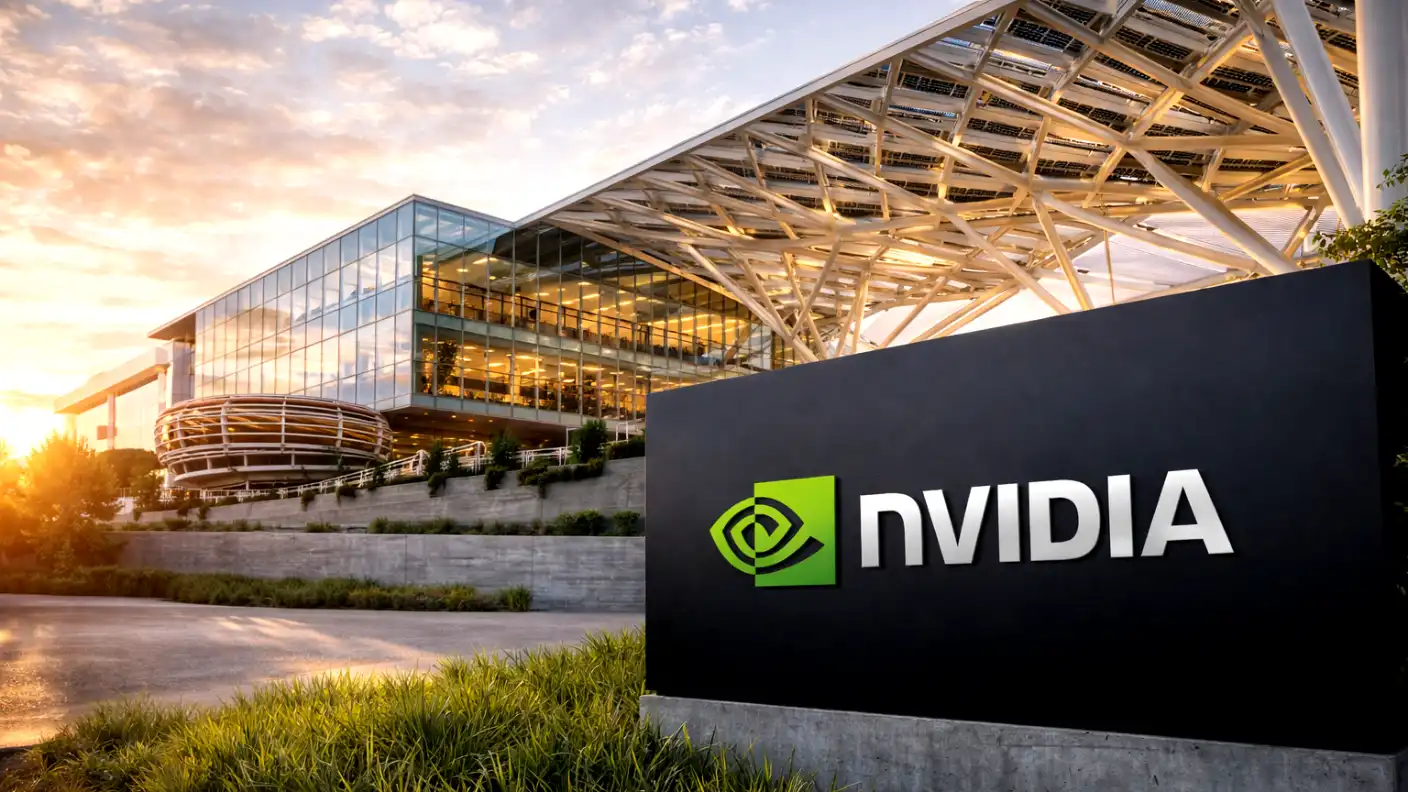
Key Points:
- Nvidia is actively connecting artificial intelligence companies holding its graphics processing units with Nordic data center operators that have available capacity.
- The chipmaker helps developers in the United States and Asia secure scarce power and physical server space across Finland, Norway, and Sweden.
- Nordic countries are emerging as premier artificial intelligence hubs due to cool climates, expansive land, and abundant renewable energy grids.
- Major regional projects include a 310-megawatt facility by Nebius in Finland and a 230-megawatt campus hosting 30,000 advanced GPUs in Norway.
Semiconductor powerhouse Nvidia is expanding its corporate influence far beyond designing and selling silicon chips. Faced with severe electrical grid bottlenecks and real estate shortages across traditional technology hubs in North America and Asia, the company is actively playing matchmaker in Northern Europe. The enterprise is brokering direct introductions between artificial intelligence clients holding its high-performance graphics processing units and data center operators across the Nordic region that have available power, cooling, and facility space to deploy them.
The matchmaking initiative operates in two distinct directions to clear supply chain logjams. In some cases, corporate representatives from the chipmaker reach out directly to Nordic data center developers with concrete leads of potential enterprise tenants seeking to purchase or lease computing capacity. In other instances, the company connects data center developers in countries like Finland, Norway, and Sweden with tech firms in the United States and Asia that have already procured high-end processors but lack the physical real estate and power connections required to plug them in.
The driving force behind this hands-on infrastructure coordination is the severe electrical power crunch created by the artificial intelligence boom. While commercial demand for advanced computing hardware remains at record highs, traditional data center markets—such as Northern Virginia, Silicon Valley, and Frankfurt—face multi-year waiting lists to secure new utility substation hookups. For semiconductor manufacturers, ensuring that enterprise customers with capital and graphics processing units can actually find operational data center space is critical to sustaining hardware shipment velocity.
Northern Europe has quickly transformed into one of the world’s most attractive destinations for heavy machine learning infrastructure. A combination of naturally cold climates, expansive industrial land, and robust, low-cost renewable energy grids provides ideal conditions for high-density computing clusters. The cold ambient air allows data center operators to use free-air cooling methods for most of the year, cutting cooling electricity overhead by up to 40% compared to warmer climates and significantly improving operational efficiency.
Mega-scale development projects are accelerating across the Nordic landscape to meet this incoming demand. Cloud infrastructure provider Nebius is constructing a massive 310-megawatt dedicated artificial intelligence facility in Lappeenranta, Finland, scheduled to bring initial capacity online by 2027 to become one of Europe’s largest computing hubs. In addition, Pure DC is building a 110-megawatt campus in Finland with expansion blueprints scaling up to 550 megawatts, while developer Arcem is advancing a separate site with up to 500 megawatts of capacity.
In Norway, massive computing clusters are coming online to power enterprise workloads. Cloud developer Nscale is expanding its 230-megawatt Narvik campus, where tech titan Microsoft agreed to lease capacity hosting 30,000 of Nvidia’s next-generation Vera Rubin graphics processing units. Similar high-performance clusters are expanding in Iceland, where specialized liquid-cooled facilities are deploying over 4,600 advanced processors running entirely on 100% geothermal and hydroelectric power.
This active coordination highlights how the chipmaker is evolving from a traditional hardware component vendor into a full-stack ecosystem orchestrator. By helping prospective customers secure energy offtake agreements, arranging financing structures, and resolving physical deployment hurdles, corporate leadership ensures that supply chain friction does not stall enterprise adoption. Management is taking a proactive approach to make sure that computing hardware translates into active, revenue-generating data center deployments as fast as possible.
Building large-scale artificial intelligence factories in the Nordic region also helps global enterprises comply with strict European carbon emissions mandates and data sovereignty regulations. Powering multi-gigawatt computing clusters with zero-carbon hydroelectric and geothermal energy allows cloud providers to scale compute capacity without expanding their fossil-fuel footprint, fulfilling corporate sustainability pledges while expanding raw computing power.
As the artificial intelligence sector transitions from software experimentation into massive physical infrastructure deployments, power availability will dictate which companies lead the digital economy. By guiding global compute demand directly to the renewable energy grids of Northern Europe, Nvidia is securing the operational foundations required to keep the global artificial intelligence boom moving at full speed.