Key Points:
- Global crude oil benchmarks are heading for a massive 12% weekly gain, marking their strongest weekly surge since April.
- Brent crude rose past $85 a barrel, and WTI neared $80 as the U.S. launched its sixth consecutive night of airstrikes on Iran.
- Marine traffic through the strategic Strait of Hormuz has slowed to a crawl following a newly reimposed U.S. naval blockade.
- The sudden energy spike has revived global inflation anxieties, stoking fears that central banks will keep interest rates elevated.
Global energy markets have experienced their most volatile trading session in months as escalating military actions in the Middle East threaten major shipping corridors. The Oil Price Weekly Surge 2026 has topped a staggering 12%, representing the largest single-week increase since April. The dramatic lurch in energy costs occurred after the United States military launched a fresh round of overnight airstrikes against Iranian targets for a sixth consecutive night, rattling parts of northern Iran and throwing global fuel supply lines into complete disarray.
The physical pricing of crude oil has reflected the rising geopolitical risk premium across global exchanges. Brent crude, the international benchmark, climbed 0.8% to trade above $85.06 per barrel, reaching its highest level in over a month. Simultaneously, West Texas Intermediate (WTI) crude, the U.S. benchmark, gained 1.2% to trade near $79.88 per barrel. The rapid, back-to-back price gains have pushed both benchmarks close to key resistance zones, unwinding a major portion of the disinflationary trends recorded earlier in the year.
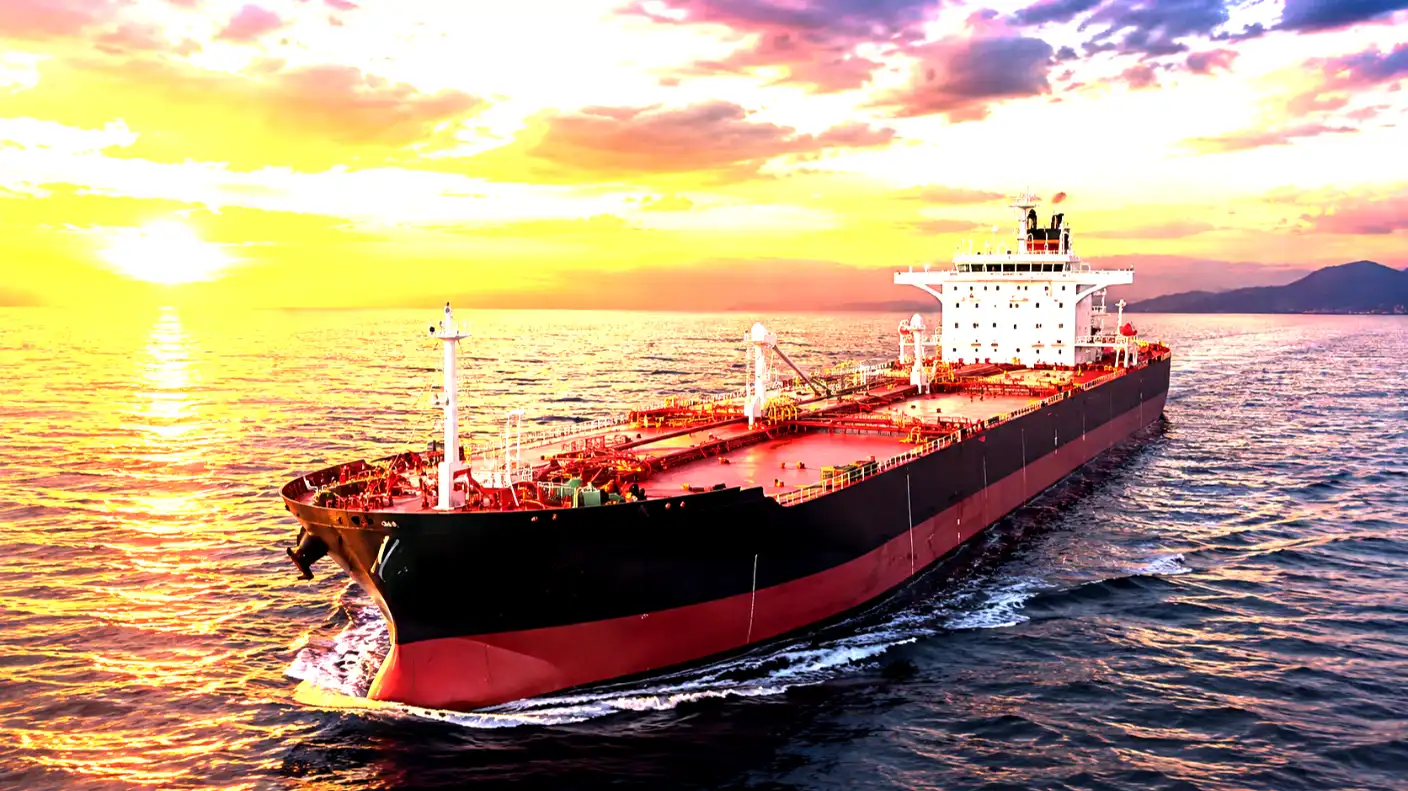
The primary driver of the massive price spike is a near-total collapse in marine traffic through the strategic Strait of Hormuz. The vital shipping channel acts as the central transit point for roughly one-fifth of the entire global seaborne oil and fuel supply. Following the U.S. military’s decision to reimpose a strict naval blockade on all Iranian ports, commercial shipping activity has slowed to a crawl. Ship-tracking data indicates that vessel traffic through the narrow waterway has plummeted to its lowest level in five weeks, as major logistics firms refuse to expose their tankers to active combat zones.
This sudden return to active warfare has completely shattered the fragile diplomatic progress achieved earlier in the summer. Before the latest round of airstrikes, negotiators from both sides had reportedly made progress on a temporary ceasefire framework, which had briefly allowed oil prices to stabilize near $68 a barrel in June. However, the resumption of heavy missile and drone strikes has confirmed that the peace agreement has effectively collapsed, forcing commodity traders to price in the high probability of prolonged, multi-stage supply disruptions.
The energy crisis is no longer confined to a single geographic bottleneck, as hostilities rapidly expand into other critical maritime corridors. In addition to the Strait of Hormuz blockade, commercial shipping through the Red Sea faces severe operational disruptions due to retaliatory drone attacks. Having two of the world’s most critical energy shipping lanes compromised simultaneously creates an unprecedented logistics crisis, forcing tankers to bypass the Suez Canal entirely and embark on longer, highly expensive routes around the southern tip of Africa.
Rerouting these massive cargo ships around the African continent introduces substantial operational overhead for global energy distributors. The alternative journey adds thousands of miles to standard shipping routes, increasing fuel consumption, raising crew labor costs, and delaying critical deliveries to industrial hubs in Europe and East Asia. This delay effectively ties up global tanker capacity, pushing maritime insurance premiums and freight rates to record highs, which further inflates the final landed cost of crude oil regardless of physical production levels.
Despite the severity of the dual blockades, the energy market has so far avoided a completely explosive, uncontained price rally. This relative restraint reflects a highly calculated balancing act among commodity traders, who are weighing the threat of physical supply cuts against the prospect of alternative supply lines. Many market participants expect major OPEC+ producers, particularly Saudi Arabia and the United Arab Emirates, to tap their spare capacity and release stockpiles to offset any near-term shortfalls, preventing a full-blown global fuel shortage.
The sudden 12% weekly oil surge has nevertheless triggered intense anxieties regarding a potential resurgence in global inflation. Central banks, which have spent the past two years keeping interest rates elevated to cool consumer demand, now face the risk of a secondary, energy-driven price shock. If sustained energy costs feed back into core transportation and manufacturing overhead, overall inflation will remain sticky. This prospect has forced the Federal Reserve and other monetary authorities to maintain a highly hawkish stance, dampening expectations for near-term interest rate cuts.
The long-term outlook for global oil prices depends entirely on the duration of the current military blockades. Financial analysts at prominent investment research firms have warned that if the shipping disruptions extend into the autumn, Brent crude could easily clear the $85 threshold and challenge the mid-$90s. Extreme scenarios modeled by major Wall Street banks even flag the risk of oil prices topping $100 a barrel. Such high energy costs would inevitably drag down global corporate profits, stifle economic growth, and force consumer-facing businesses to raise prices.
Ultimately, the massive 12% weekly surge in crude oil prices serves as a stark reminder of the global economy’s absolute dependence on secure maritime shipping. While diplomats and military strategists debate the physical openness of the Strait of Hormuz, the commodity market has already delivered its verdict by pricing in the immense risks of regional warfare. Until international diplomatic channels can defuse the military tensions and guarantee safe passage through these vital waterways, energy volatility will remain a persistent, unyielding drag on global economic stability.