
Key Points:
- Global oil prices dropped sharply on Monday, with Brent crude breaking below $100 a barrel for the first time in weeks.
- The United States and Iran have reached a tentative framework to end their more than two-month-old conflict.
- The potential deal would reopen the Strait of Hormuz, a critical maritime corridor that carries roughly 20% of the world’s daily oil supply.
- U.S. President Donald Trump stated that the naval blockade on Iranian ports will remain active until an agreement is formally signed.
Global energy markets breathed a sigh of relief on Monday, May 25, 2026, as oil prices plummeted. Brent crude futures, the international oil benchmark, broke below the psychologically significant $100-per-barrel mark after U.S. and Iranian officials signaled diplomatic progress toward ending their conflict. This massive sell-off offers immediate hope to global economies struggling with energy-driven inflation, which has surged due to a prolonged blockade of critical maritime shipping lanes.
The scale of the market correction reflects the high stakes of the ongoing negotiations. In early trading, Brent oil futures dropped by 4.7% to trade at $95.55 a barrel, while U.S. West Texas Intermediate (WTI) crude futures slid 5.1% to settle at $91.70 a barrel. This sharp decline unwinds the heavy geopolitical risk premiums that have kept oil prices elevated since the outbreak of hostilities. Analysts estimate that shuttering the vital waterway has cost the global shipping industry billions of dollars in added fuel, insurance, and logistical expenses.
The diplomatic breakthrough centers on a newly reached framework designed to end the more than two-month-old conflict. Over the weekend, reports quoting a senior White House official suggested that both Washington and Tehran had reached a tentative agreement. The proposed memorandum of understanding seeks to restore stability to the Persian Gulf. In exchange for lifting the U.S. naval blockade on Iranian ports, Iran would reopen the Strait of Hormuz to commercial shipping, allowing stranded petroleum tankers to resume their voyages.
However, the path to a final peace treaty remains highly complex and fragile. An Iranian foreign ministry spokesperson confirmed that while both sides have reached conclusions on a wide range of topics, a final agreement is not yet imminent. Crucially, the current draft of the memorandum does not include specific, long-term rules regarding the future management of the Strait of Hormuz. This omission has kept commodity traders cautious, preventing an even deeper collapse in global energy prices.
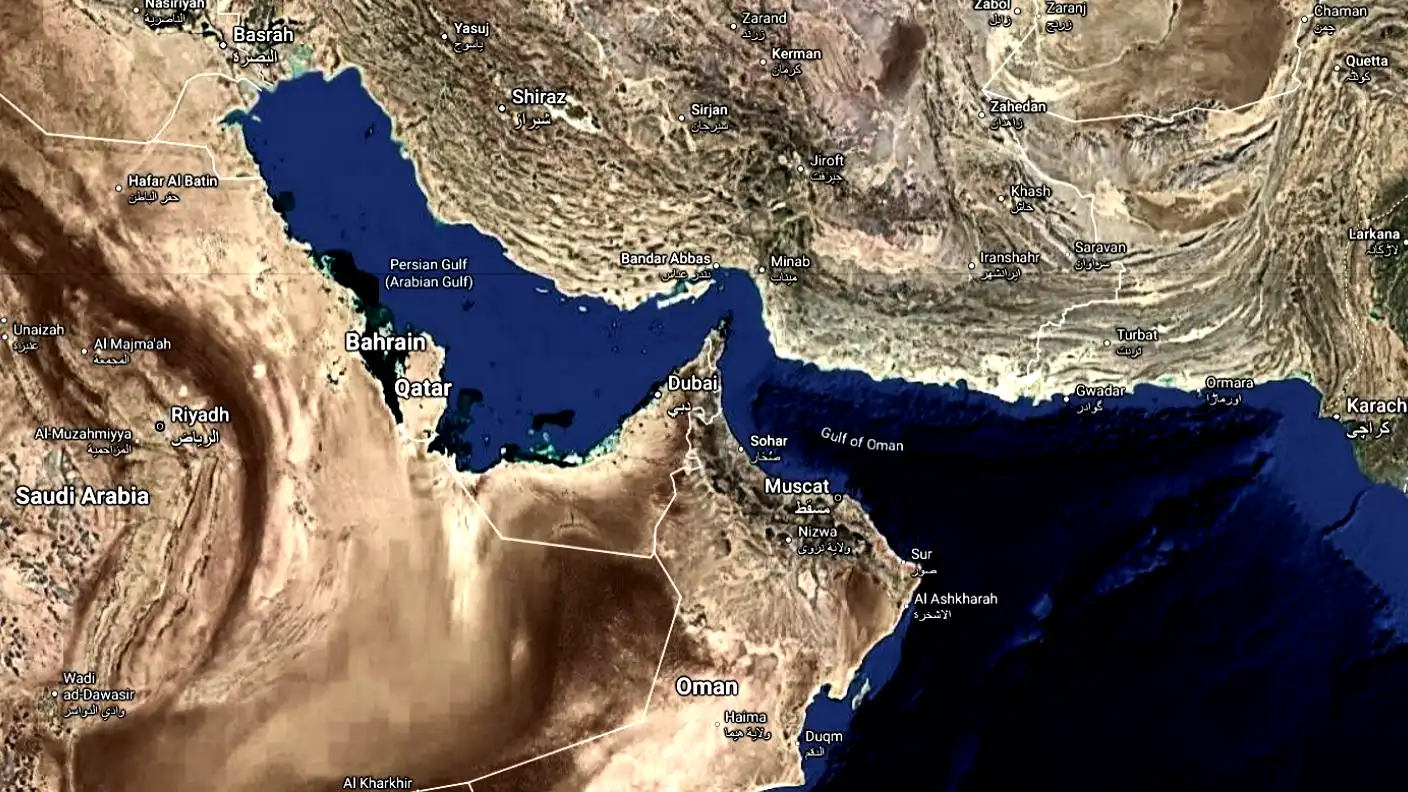
The Strait of Hormuz represents the single most important shipping chokepoint in the global oil market. Running off Iran’s southern coast, this narrow channel handles roughly one-fifth (20%) of the world’s daily oil production and liquefied natural gas (LNG) shipments. For weeks, the effective closure of the strait to commercial tanker traffic has starved international refineries of crude, forcing major economies to draw down their strategic reserves. Reopening this channel is vital to rebalancing global supplies and easing inflationary pressures.
To build goodwill during the talks, Tehran has reportedly backed away from some of its most controversial demands. The Iranian foreign ministry spokesperson announced that Iran will not impose official transit tolls on commercial vessels traversing the strait. This represents a major concession, as Western shipping groups feared that Tehran would use toll collection to establish a financial stranglehold over the maritime conduit. However, the spokesperson noted that any specialized services provided to transiting luxury ships will still require a fee.
Meanwhile, U.S. President Donald Trump has adopted a cautious, deliberate approach to the negotiations. In a social media post, Trump revealed that he has instructed his representatives not to rush into a final deal. He emphasized that the strict U.S. naval blockade of Iranian ports will remain in full force and effect until both sides officially sign and certify a binding agreement. This tough stance ensures that Washington maintains maximum economic leverage during the final, sensitive phase of the talks.
Even if the two nations sign a formal peace treaty soon, experts warn that restoring normal energy flows will take time. Analysts point out that clearing mines, conducting safety inspections, and rebuilding damaged port infrastructure will require several months of physical preparation. Although a few commercial vessels have successfully passed through the Strait of Hormuz, overall traffic remains at a tiny fraction of pre-war levels. Consequently, global energy prices may not return to their pre-conflict baselines until late 2026.