

Key Points:
- The global autonomous vehicle sector is facing a massive reality check as operators transition from software validation to actual unit economics.
- Tesla’s highly anticipated Cybercab production has started at Giga Texas, but Elon Musk warned that a slow manufacturing ramp means material revenue is unlikely before 2027.
- Chinese regulators temporarily suspended new Level 4 permits after more than 100 of Baidu’s Apollo Go robotaxis abruptly stalled and paralyzed traffic in Wuhan.
- While full-stack operators build incredibly expensive hardware, Uber is spending the most to win the race by building a car-free autonomous mobility marketplace.
The long-awaited promise of a fully automated, driverless transportation economy is undergoing an intense reality check. While passenger vehicles bristling with electronic eyes and advanced laser sensors are becoming a common sight in metropolises from San Francisco to Wuhan, full-scale deployment remains incredibly complex. Industry analysts warn that robotaxi commercialization challenges are mounting rapidly as operators transition from experimental software validation to the brutal realities of unit economics and regulatory scrutiny. The global race, currently dominated by Alphabet’s Waymo, Tesla, and China’s Baidu, is proving that coding an artificial intelligence driver is only half the battle; scaling a physical, profitable fleet is an entirely different challenge.
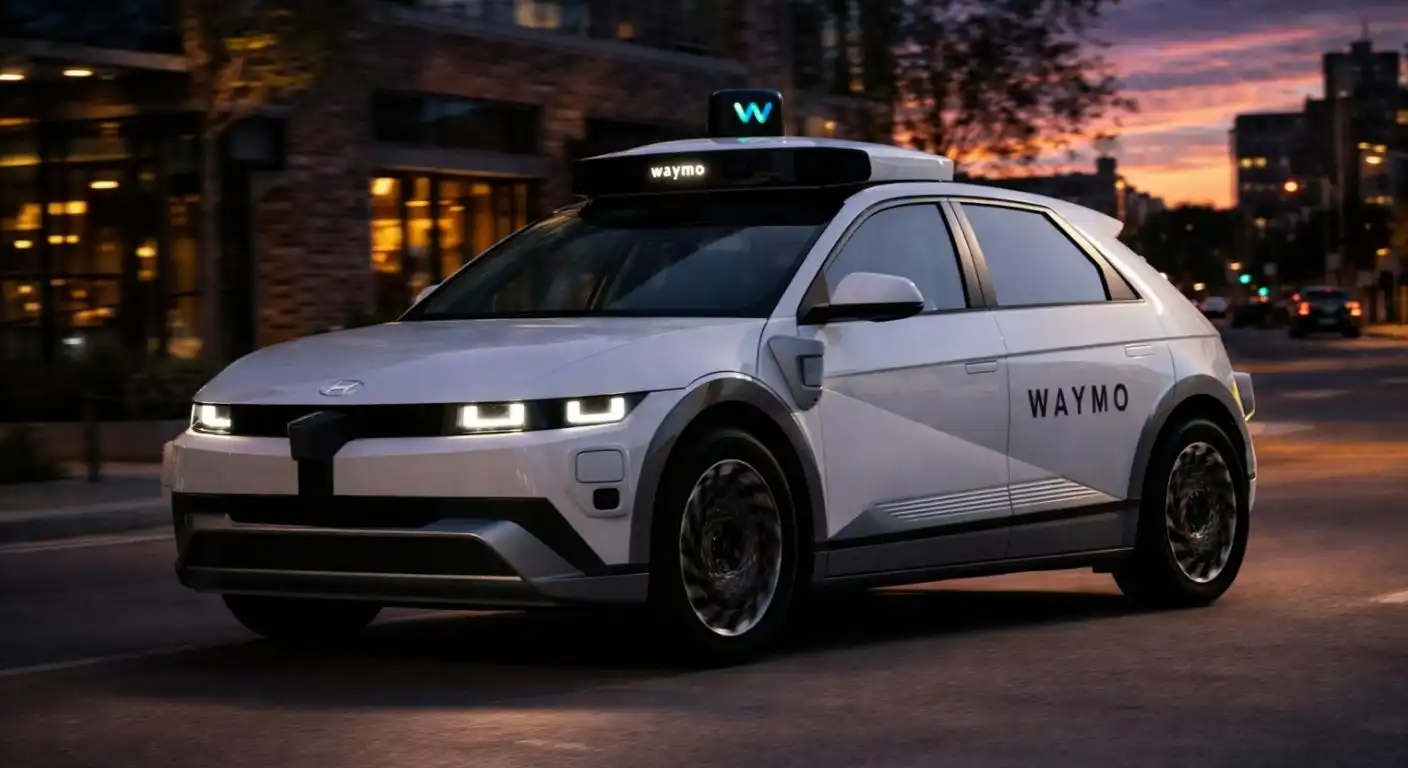
Waymo currently operates as the undisputed commercial gold standard of the autonomous ride-hailing industry, marching steadily toward its goal of delivering one million driverless rides weekly across major American cities. However, the company’s full-stack operational success comes with an incredibly high price tag. Industry experts estimate that each of Waymo’s custom-built, sensor-dense Jaguar I-Pace robotaxis costs approximately $150,000 to manufacture and equip. Because the platform relies heavily on highly expensive lidar arrays, radar systems, and continuous high-definition 3D mapping of every single street it operates on, scaling the service to new cities requires years of capital-intensive pre-mapping and localized software tuning.
To challenge Waymo’s expensive, hardware-heavy model, Tesla is betting on a highly vertical strategy by designing a bespoke, purely vision-based robotaxi called the Cybercab. While Chief Executive Officer Elon Musk confirmed that initial Cybercab production began at Giga Texas earlier this spring, he warned investors that output will follow a highly “stretched out S-curve” manufacturing ramp, with very little volume expected before the end of the year. At the same time, the company’s highly publicized plan to launch unsupervised driverless rides in five major markets—including Phoenix, Las Vegas, and Miami—by the first half of this year has officially slipped, with recent corporate updates downgrading the timeline to “preparations underway” as technical and regulatory validations lag.
In China, the race to scale has occurred at a much faster pace, but rapid expansion has recently triggered severe pushback from state regulators. Baidu’s Apollo Go platform has operated as the global volume leader, logging over 17 million lifetime passenger trips across major Chinese tech hubs. However, the Chinese government recently took the drastic step of suspending the issuance of new Level 4 autonomous vehicle permits nationwide. This regulatory freeze came immediately after a massive technical glitch in late April, when more than 100 Baidu robotaxis abruptly stalled and completely paralyzed morning rush-hour traffic in the central city of Wuhan, proving that even advanced software systems are still highly vulnerable to systemic network failures.
While automakers and technology labs burn through billions of dollars trying to manufacture and operate their own custom vehicle fleets, the company spending the most to dominate the robotaxi era builds no cars at all. Uber is rapidly positioning itself as the ultimate, indispensable marketplace for the entire autonomous mobility ecosystem. Rather than taking on the massive capital expenditure of buying and maintaining physical vehicles, Uber is leveraging its vast database of daily trips and real-time matching algorithms to partner with full-stack developers. By forming strategic alliances with firms like Stellantis and Nvidia, Uber plans to meet customer demand to whoever builds the safest and most efficient cars.
A highly disruptive, software-centric challenger is also emerging in Europe, attempting to completely bypass the hardware limits of legacy platforms. British startup Wayve, backed by a massive $1.2 billion funding round from Microsoft and Nvidia, is currently conducting advanced road tests on the winding, historically complex streets of London. Unlike its American and Chinese rivals, Wayve utilizes an “end-to-end deep learning” AI model that operates “zero-shot,” enabling the vehicle to safely navigate completely unfamiliar urban environments without relying on expensive, pre-mapped high-definition 3D maps. By licensing this hardware-agnostic software layer directly to global automakers, the startup aims to scale its technology at a fraction of the cost of its competitors.
The ongoing London trials highlight why exporting autonomous driving software to historic European cities is exceptionally difficult. Unlike the wide, grid-like streets of Phoenix or San Francisco, European metropolises feature winding, 2,000-year-old road layouts, narrow lanes, and constant infrastructure maintenance. Technical specialists at Wayve point out that London has approximately 20 times more active road construction and 10 times more vulnerable road users—such as pedestrians and cyclists—per mile than typical American test cities. Every single intersection and temporary construction barrier represents an intense real-world test for the vehicle’s neural network, making rapid, safe decision-making a matter of life and death.
The ultimate indicator of how much the industry has matured is that the autonomous driving race has officially transitioned from corporate research budgets to active, public balance sheets. Investors are no longer willing to fund open-ended science projects based on vague promises of a driverless future. Every milestone, hardware delivery target, and capital expenditure plan is now marked directly to the market. If a developer fails to meet its safety targets on schedule, or if its vehicle manufacturing costs remain too high to compete with traditional human-driven rideshare services, shareholders are fully prepared to punish the stock, forcing a highly disciplined focus on immediate unit economics.
Ultimately, the ongoing struggle to scale robotaxis proves that the transition to fully automated urban mobility will be evolutionary rather than revolutionary. While the technical achievements of the past decade are historically significant, the physical realities of the real world—including soaring sensor costs, regulatory freezes, and complex urban infrastructure—will continue to limit the pace of deployment. The future of the sector will not belong to a single, dominant full-stack provider trying to own every part of the ecosystem, but to highly collaborative alliances that can successfully share the immense financial and operational risks. Until developers can prove they can build and operate these vehicles profitably, the driverless revolution will continue to navigate a highly volatile, roadblock-ridden path.






