Key Points:
- Passengers in driverless cars treat the interior as private spaces, leading to messy spills, deep sleep, and even childbirth.
- Inanimate or sleeping riders trigger dozens of 911 calls as remote operators cannot diagnose medical emergencies.
- First responders in Austin dispatched 99 cardiac arrest alerts for unresponsive riders between March and December of 2025.
- Only 2% to 3% of 911 calls regarding passed-out robotaxi passengers actually required emergency medical transport.
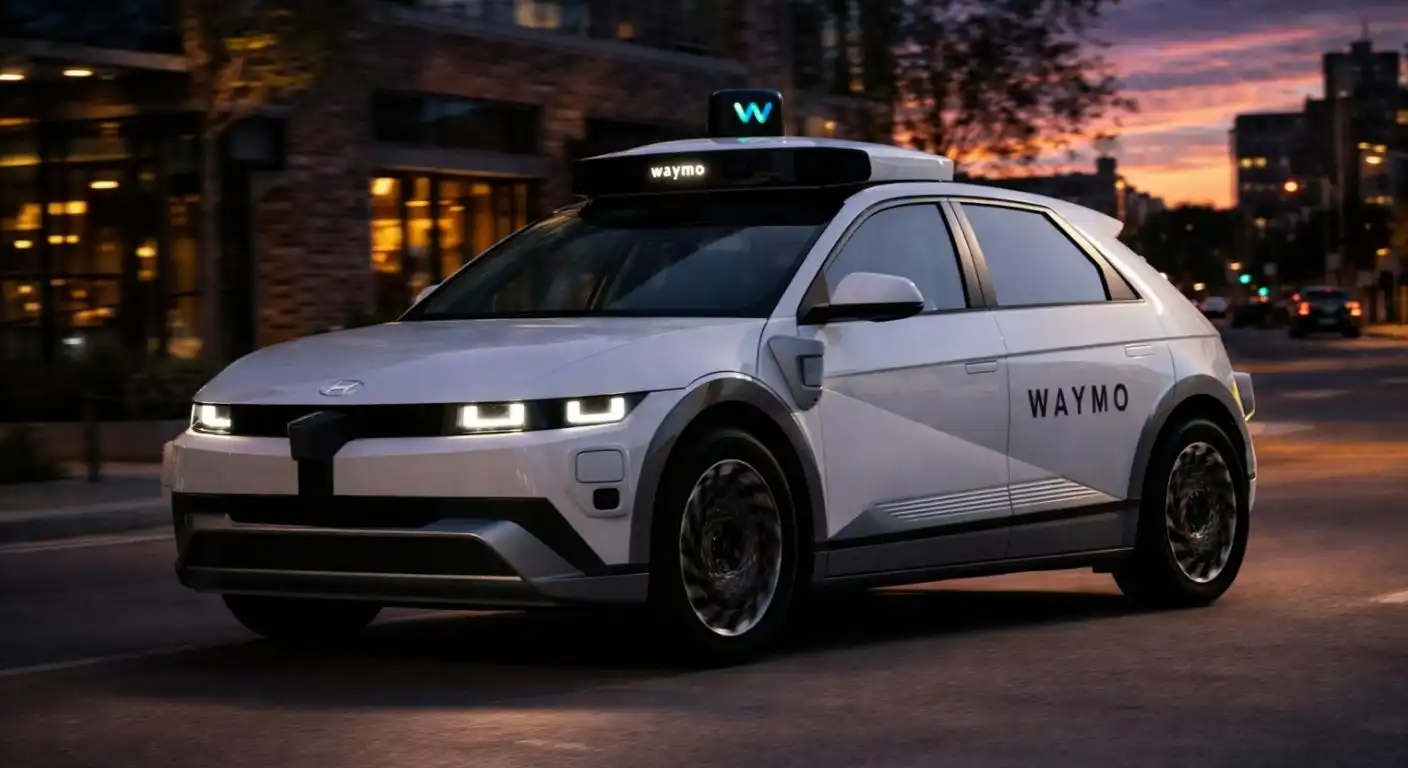
Driverless cars have shifted from a futuristic novelty into everyday city transport. However, this transition has revealed a bizarre human consequence: without a human driver behind the wheel, passengers behave as if they are in the absolute privacy of their own homes. Riders are regularly spilling food, falling deep asleep, getting sick, and even giving birth, forcing autonomous vehicle operators and city services to navigate the highly unpredictable realities of human behavior.
The unique technical challenge of the “silent passenger” sits at the center of the current operational friction. When a human driver is absent, a robotaxi relies entirely on its suite of external and internal sensors to monitor the cabin. If a passenger falls asleep, is extremely exhausted, or is impaired by drugs or alcohol, they often become completely unresponsive upon reaching their destination. Because remote monitoring teams—working hundreds of miles away—cannot physically check if a silent passenger is breathing or in medical distress, the vehicle’s standard safety protocol requires them to initiate emergency calls.
This protocol places a severe, ongoing strain on local emergency services. Between March and December of 2025, first responders in Austin, Texas, handled 99 of these mostly false alarms. Because dispatchers must treat any report of an unresponsive person as a potential cardiac arrest, each call mobilized multiple ambulances, a fire engine, and sometimes police cruisers. However, only 2% to 3% of these passengers actually required transportation or medical treatment by emergency medical responders, highlighting how automated safety procedures can drain vital public resources.
The most dramatic instances of passenger behavior involve unexpected deliveries. In at least two separate instances, pregnant passengers travelling to the hospital went into labor and gave birth in the backseat of a driverless vehicle. One delivery occurred in San Francisco, where a mother welcomed her baby en route to the University of California, San Francisco Medical Center. A similar event previously occurred in Phoenix, turning these autonomous vehicles into highly unconventional delivery rooms.
Autonomous fleets utilize internal cameras and microphones to detect unusual activity inside the cabin. When sensors flag a potential issue, a remote operator initiates an audio call through the vehicle’s customer service interface to check on the passenger’s well-being. If the passenger fails to respond after multiple verbal prompts, the operator has no choice but to alert emergency services. This dynamic highlights a persistent operational bottleneck in the driverless ride-hailing model, as machines cannot replace the basic diagnostic capabilities of a human driver.
Aside from medical emergencies, riders frequently use the absence of a driver to eat messy meals, consume alcohol, or get physically sick inside the vehicles. Because there is no driver to spot the mess immediately, the next passenger is occasionally welcomed by spilled food or soiled upholstery. Autonomous companies must immediately pull these compromised vehicles out of service for deep cleaning, introducing significant maintenance overhead and reducing active fleet capacity.
The rising friction between autonomous fleets and public infrastructure has drawn scrutiny from federal safety regulators. Active safety directives warn autonomous vehicle companies that interference with emergency response operations is unacceptable. Regulatory standards require operators to immediately address how their vehicle behavior and automated emergency protocols affect city services, adding significant political pressure on companies to refine their remote monitoring and passenger screening processes.
Local officials in cities like San Francisco and Austin face growing frustration over the lack of transparency from autonomous fleet operators. Major self-driving companies do not share exact data on how many active robotaxis run on city streets. This lack of information makes it incredibly difficult for cities to plan for traffic disruptions and calculate the extra workloads these vehicles place on emergency departments.
Even with these strange operational hiccups, driverless ride-hailing is scaling up at a dizzying pace. Major operators logged more than 20 million completed trips last year and currently serve over 500,000 paid rides per week across major metropolitan areas like San Francisco, Phoenix, Los Angeles, and Austin. The companies are targeting an expansion into new winter-weather markets like Denver and expanding commercial operations to Miami, Washington, D.C., and Atlanta.
The messy reality of passenger behavior proves that the autonomous vehicle revolution is no longer just a software engineering challenge; it is now a highly complex sociological experiment. As robotaxis become a standard fixture of urban transit, operators must develop more sophisticated ways to manage the unpredictable, human element inside the cabin. Until companies can successfully balance passenger privacy with public emergency resources, driverless cars will continue to serve as both a technological marvel and a highly erratic public utility.