Key Points:
- Internal planning documents from global logistics giant CEVA revealed secret pilot programs for humanoid robots in Australian warehouses.
- More than 650 warehouse workers began voting on protected strike action following a breakdown in enterprise bargaining talks.
- The Transport Workers’ Union warned that humanoid robots represent an aggressive corporate effort to replace human labor with cheaper machines.
- Workers are demanding legally binding consultation clauses, retraining guarantees, and alternative roles before robotics deployments begin.
A high-stakes labor confrontation over physical artificial intelligence and automation is erupting across Australia’s freight and supply chain sector. Hundreds of warehouse workers at global logistics giant CEVA Logistics are pushing back against internal corporate plans to introduce bipedal humanoid robots into commercial distribution facilities. The revelation of secret automation roadmaps has sparked fierce union resistance, triggering a formal strike ballot that threatens to disrupt transport and logistics operations nationwide.
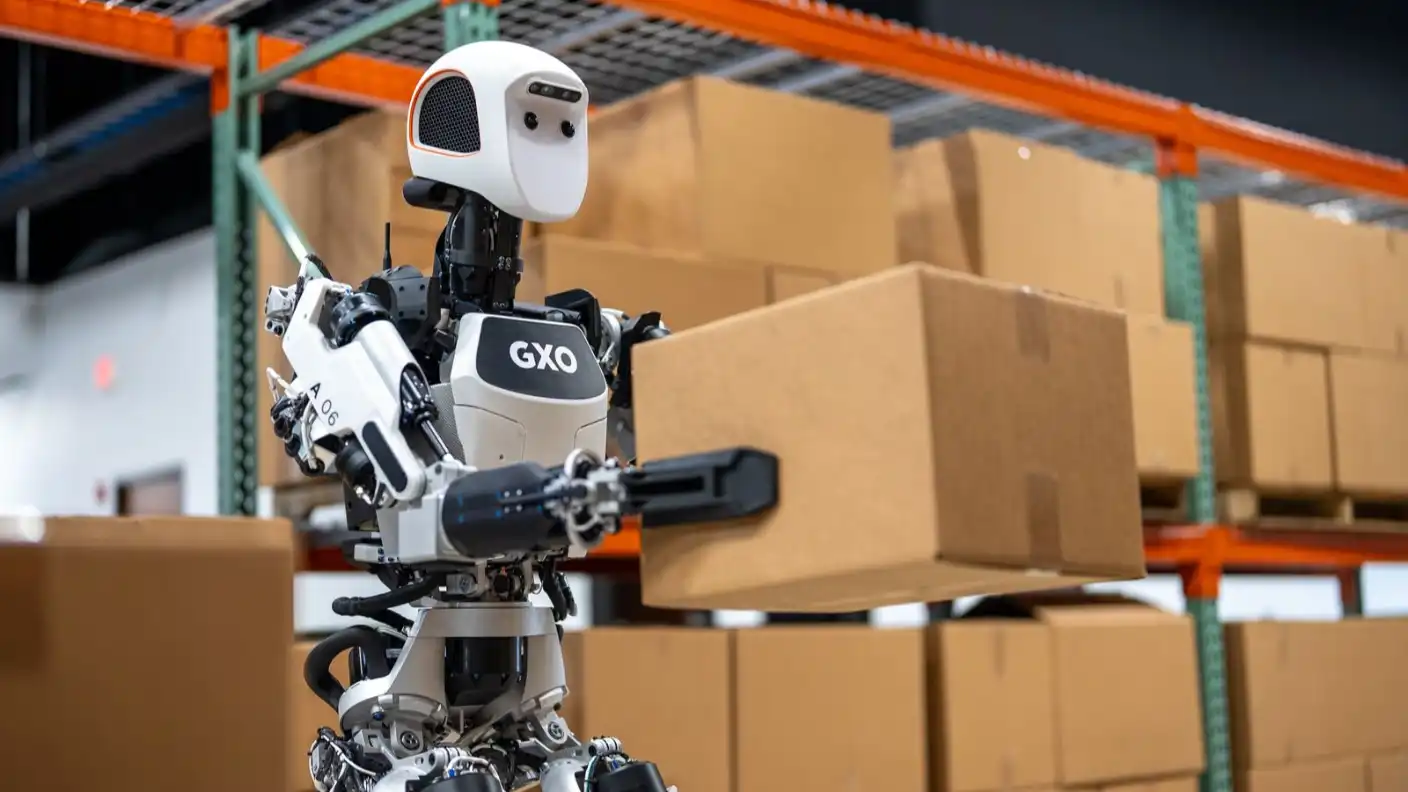
The labor dispute ignited after internal corporate planning documents surfaced detailing the company’s vision for a high-tech “Warehouse of Tomorrow.” The confidential blueprint outlined plans for a specialized “Humanoid Pilots in Warehouse” initiative, designed as part of a broader corporate push to test embodied artificial intelligence and autonomous robotics across commercial fulfillment floors. However, the document provided zero details regarding what specific tasks humanoid robots would perform, how many human positions they would displace, or what safeguards would protect existing staff.
Rank-and-file warehouse staff expressed deep anxiety and frustration over being kept in the dark by corporate management. Long-term workers at distribution centers reported that management repeatedly deflected direct questions regarding the timeline and scope of the humanoid robotics program. Employees voiced concerns that years of dedicated labor are being rewarded with automated replacement plans, describing the lack of transparency as demoralizing and stressful for families who rely on warehouse careers.
The disclosure of the robotics project collided with a breakdown in negotiations over a new multi-year enterprise bargaining agreement. More than 650 logistics workers across major distribution hubs opened a formal ballot to authorize protected industrial action. If a majority of workers vote in favor, employees will secure the legal right to stage rolling work stoppages and full-day strikes across primary Australian logistics nodes, putting heavy pressure on corporate leadership to return to the negotiating table.
The Transport Workers’ Union sounded the alarm over the rapid introduction of physical artificial intelligence in logistics. Union National Secretary Michael Kaine criticized the secretive nature of the humanoid project, arguing that terms like “humanoid technology” serve as corporate code for eliminating human workers to cut operating expenses. The union emphasized that workers are not anti-technology but insist on mandatory consultation protocols, comprehensive retraining packages, and guaranteed redeployment into alternative roles before automated machines enter shared workspaces.
CEVA Logistics operates as a dominant player in Australian freight management, employing approximately 2,000 workers across Australia and New Zealand. The company has a history of pioneering warehouse automation: at its massive 250,000-square-meter super-site in Truganina, Victoria, the company previously deployed automated mobile robots that boosted parcel picking efficiency by 400%. However, workers argue that while wheeled mobile robots assist human pickers, autonomous humanoid robots designed to replicate human hands and legs represent a direct attempt at labor substitution.
In response to the growing backlash, the logistics provider stated that it continuously evaluates emerging supply chain technologies, collaborating with academic institutions and software developers to test artificial intelligence. Corporate representatives asserted that any future deployment of robotics or artificial intelligence in Australia will adhere strictly to established employee consultation frameworks, promising ongoing dialogue with workforce delegates and union officials prior to execution.
The dispute in Australia mirrors an accelerating global wave of labor pushback against embodied artificial intelligence. In South Korea, tens of thousands of auto workers recently staged strikes demanding union consent rights before humanoid robots enter factory assembly lines. Concurrently, logistics networks in North America and Asia are testing humanoid machines from developers like Boston Dynamics, Agility Robotics, and Unitree to handle trailer unloading and heavy carton sorting, turning physical robotics into a central battleground for collective bargaining worldwide.
As voting on the industrial action ballot proceeds, the confrontation at CEVA Logistics marks a defining test case for how Australian industrial relations will handle the rise of humanoid automation. The standoff proves that workers will not passively accept automated displacement without demanding a seat at the table. Moving forward, the outcome of the dispute will establish whether corporations can deploy physical artificial intelligence unilaterally or must negotiate a just transition that preserves human dignity and job security in the automated warehouse era.