Key Points:
- SK Hynix has officially surpassed Samsung Electronics in market capitalization, driven by its leadership in specialized AI memory chips.
- The surge in valuation stems directly from the company’s ability to supply high-bandwidth memory (HBM) to global AI giants, effectively capitalizing on the current tech infrastructure cycle.
- Samsung has faced unexpected difficulties in qualifying its most advanced memory products for major AI developers, leading to a significant drop in investor confidence.
- Investors are aggressively shifting capital toward pure-play memory manufacturers that offer more predictable growth in the current AI-dominated economic environment.
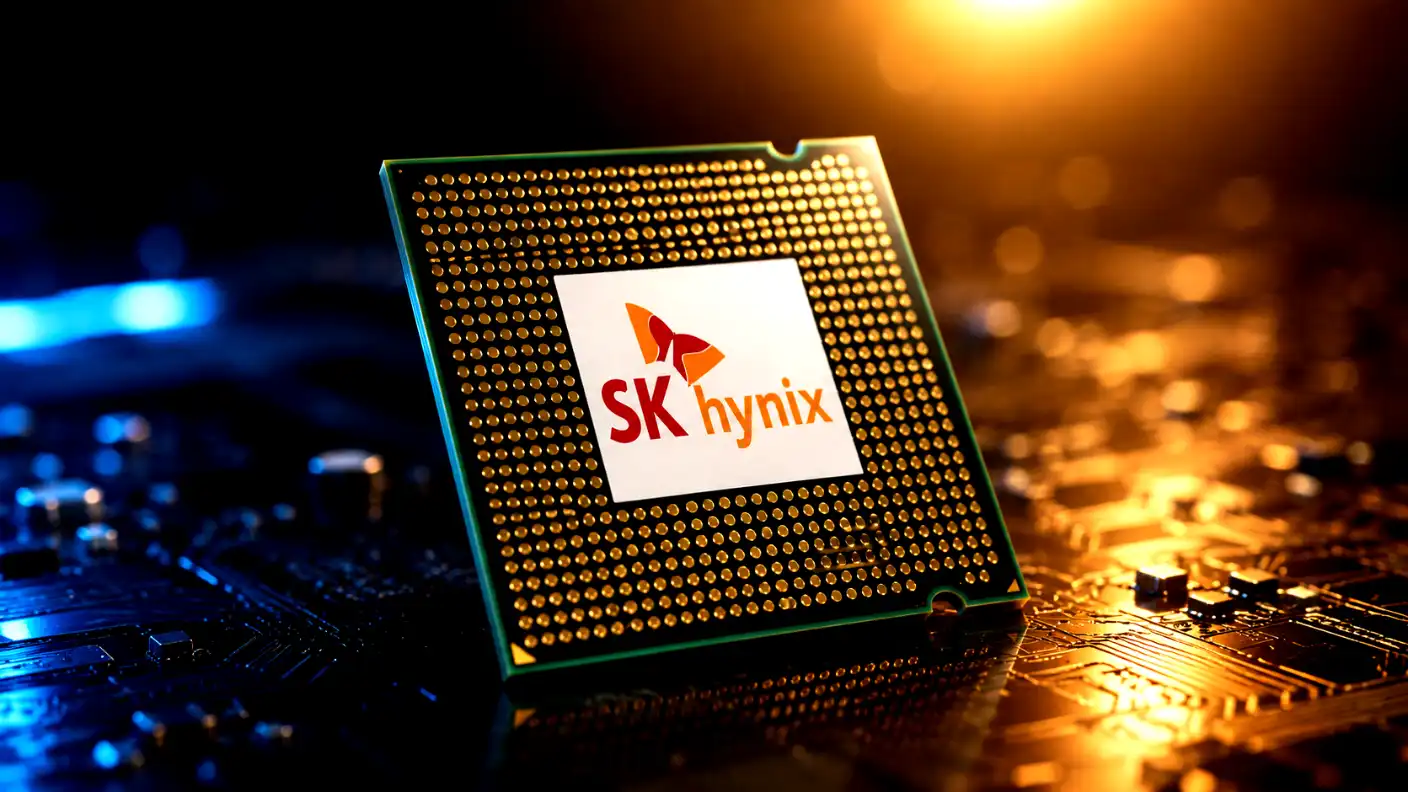
A historic shift has unfolded within the South Korean technology sector, marking a significant change in the nation’s corporate hierarchy. SK Hynix, long considered the secondary player in the country’s memory chip market, has officially overtaken Samsung Electronics to become South Korea’s most valuable company. This milestone reflects the explosive demand for high-bandwidth memory (HBM) chips, which are essential for powering the world’s most advanced artificial intelligence systems. For the first time in decades, the dominance of the nation’s traditional conglomerate leader faces a credible and successful challenge from its agile competitor.
The rise of SK Hynix is no accident; it is the result of a calculated, multi-year gamble on memory technology. While Samsung spread its resources across a massive portfolio—ranging from smartphones and consumer appliances to foundry services and memory production—SK Hynix focused its R&D budget almost exclusively on refining its memory expertise. This concentrated effort allowed them to become the preferred partner for leading AI hardware companies. By securing a dominant share of the high-bandwidth memory market, they have become the backbone of modern AI training hardware.
Investors have reacted sharply to this disparity in execution. Over the past several months, the market has punished Samsung for its slower-than-expected progress in the HBM market, where quality control and thermal efficiency remain massive hurdles. Meanwhile, SK Hynix shares have seen a meteoric rise, reflecting the company’s ability to meet the rigorous demands of global tech innovators. This shift in valuation, often reaching a gap of several billion dollars in market cap, illustrates a broader investor preference for firms that can deliver immediate results in the AI space.
The implications for South Korea’s economy are profound. For a generation, Samsung’s performance served as the primary indicator of the nation’s economic health. With SK Hynix now taking the top spot, the country’s financial leadership is being redistributed. This transition is forcing a reality check within corporate boardrooms. Leaders at Samsung are now under immense pressure to restructure their semiconductor divisions, improve yields on next-generation chips, and reclaim their reputation as the world’s premier memory provider.
Industry analysts emphasize that this is not merely a temporary blip but a reflection of a fundamental shift in how memory chips are valued. Historically, commodity memory—the kind used in standard laptops and desktops—fluctuated wildly in price, creating boom-and-bust cycles for manufacturers. However, HBM is different. It is a highly specialized, customized product that fetches a premium price and offers higher profit margins. By locking in long-term supply contracts with AI hardware leaders, SK Hynix has created a stable, high-revenue stream that has fundamentally changed its financial profile.
Looking toward the future, the competition between these two titans will likely intensify. Samsung possesses the capital reserves and manufacturing scale to eventually correct its course, but the lead it has lost in the AI memory market will be difficult to recover. As global AI development continues to accelerate, the appetite for high-performance memory will grow exponentially. This environment rewards precision and speed over size, and for the moment, the market has decided that SK Hynix is the winner.
The change at the top is a wake-up call for the entire semiconductor industry. It reminds stakeholders that in the fast-paced world of technology, yesterday’s leader can quickly become tomorrow’s runner-up if they fail to adapt to shifting demand. As SK Hynix enjoys its new position, the focus now turns to whether they can maintain this lead or if Samsung will stage a aggressive comeback. Regardless of the outcome, South Korea’s tech landscape has been permanently altered by the ongoing AI revolution.