Key Points:
- The South Korean government is launching a $15 billion support program to accelerate the domestic production of AI-specific semiconductors and advanced memory chips.
- This initiative focuses on establishing a “semiconductor super-cluster” to integrate research, design, and manufacturing in one centralized ecosystem.
- The plan includes significant tax breaks and low-interest loans for tech firms, aiming to mobilize an additional $70 billion in private sector investment by 2030.
- The government prioritizes High-Bandwidth Memory (HBM) production to meet the explosive demand from major global cloud and AI hardware providers.
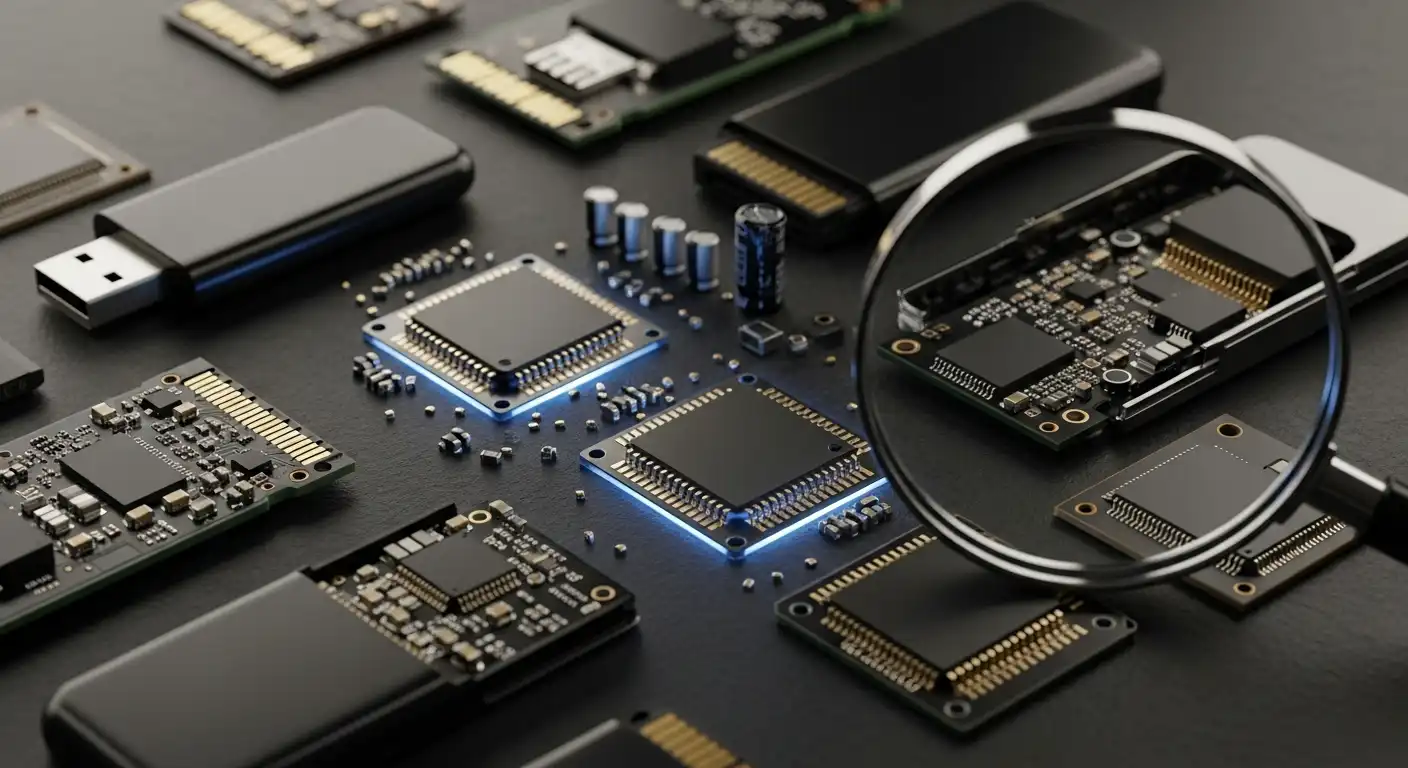
South Korea is taking decisive action to secure its future as the global leader in the semiconductor industry. The government recently announced a comprehensive $15 billion financial package aimed at supercharging the development of high-performance artificial intelligence hardware and next-generation memory technology. This massive capital injection serves as a direct response to the global AI race, where the demand for specialized memory chips is currently outpacing supply. By bolstering its domestic manufacturing capabilities, the nation aims to maintain its status as the world’s most critical hub for the silicon brains that power modern intelligence.
The strategy behind this investment is straightforward: scale and speed. Modern artificial intelligence models rely on memory chips that can process data with incredible velocity. South Korean firms, which already hold a dominant share of the global memory market, are now moving to integrate their hardware more tightly with the logic processors used in AI training. This $15 billion fund acts as a catalyst, allowing companies to upgrade their fabrication plants to the latest 2-nanometer and 3-nanometer processes, which are required for the next generation of computing.
This “semiconductor super-cluster” is the crown jewel of the government’s plan. By creating a physical hub where top-tier engineering firms, academic researchers, and equipment suppliers operate in close proximity, the country hopes to reduce the time required to bring new chips from the laboratory to mass production. In an industry where a delay of just a few months can cost a company its market leadership, this reduction in logistics and communication time provides a massive competitive advantage. Officials estimate that this integrated model will boost domestic production efficiency by at least 15% within the first two years.
To ensure the private sector remains fully committed, the government is coupling its funding with aggressive regulatory reform. Firms participating in the super-cluster will receive fast-tracked approvals for new factory construction, which has historically been a major bottleneck. Furthermore, the plan includes a generous subsidy program for research and development, specifically targeting the high-bandwidth memory chips that currently face a global shortage. By lowering the financial risk of these complex projects, the government is encouraging tech giants to bet big on long-term innovation rather than short-term quarterly gains.
The global environment for semiconductors is becoming increasingly competitive, with nations like the United States and China pouring billions into their own domestic industries. South Korea recognizes that it cannot afford to fall behind. Its strategy is to lean into its existing strengths—specifically its dominance in DRAM and NAND memory—and evolve those technologies to meet the needs of the AI era. By locking in its position as the world’s most reliable supplier of high-end memory, the nation ensures that it remains an essential partner for the world’s leading technology companies, regardless of how geopolitical trade winds shift.
Sustainability is also a critical component of this expansion. Large-scale semiconductor fabrication requires enormous quantities of electricity and ultra-pure water. As part of this investment package, the government is dedicating nearly $2 billion to building dedicated clean-energy micro-grids and advanced water-recycling facilities for the new industrial zones. This dual focus on tech capacity and environmental responsibility ensures that the expansion of the semiconductor sector does not come at the cost of the nation’s broader sustainability goals.
As the industry looks ahead, the success of this $15 billion plan will likely define the country’s economic health for the next decade. By providing the digital backbone for everything from banking to autonomous vehicles, South Korea is effectively weaving itself into the daily infrastructure of the modern world. If this program achieves its targets, it will secure thousands of high-skilled jobs and ensure that the nation remains at the heart of the global technological revolution, standing as a beacon of innovation in a rapidly changing world.