Key Points:
- SpaceX committed at least $100 billion to construct Starbase Louisiana across 125,000 acres in Vermilion Parish.
- The facility will feature five launch complexes with 10 Starship pads, on-site propellant manufacturing, and a private airport.
- Construction begins in 2027 with initial orbital flights targeted for 2029, scaling toward thousands of annual launches.
- The project will generate over 11,100 direct and indirect jobs while funding extensive coastal wetland restoration programs.
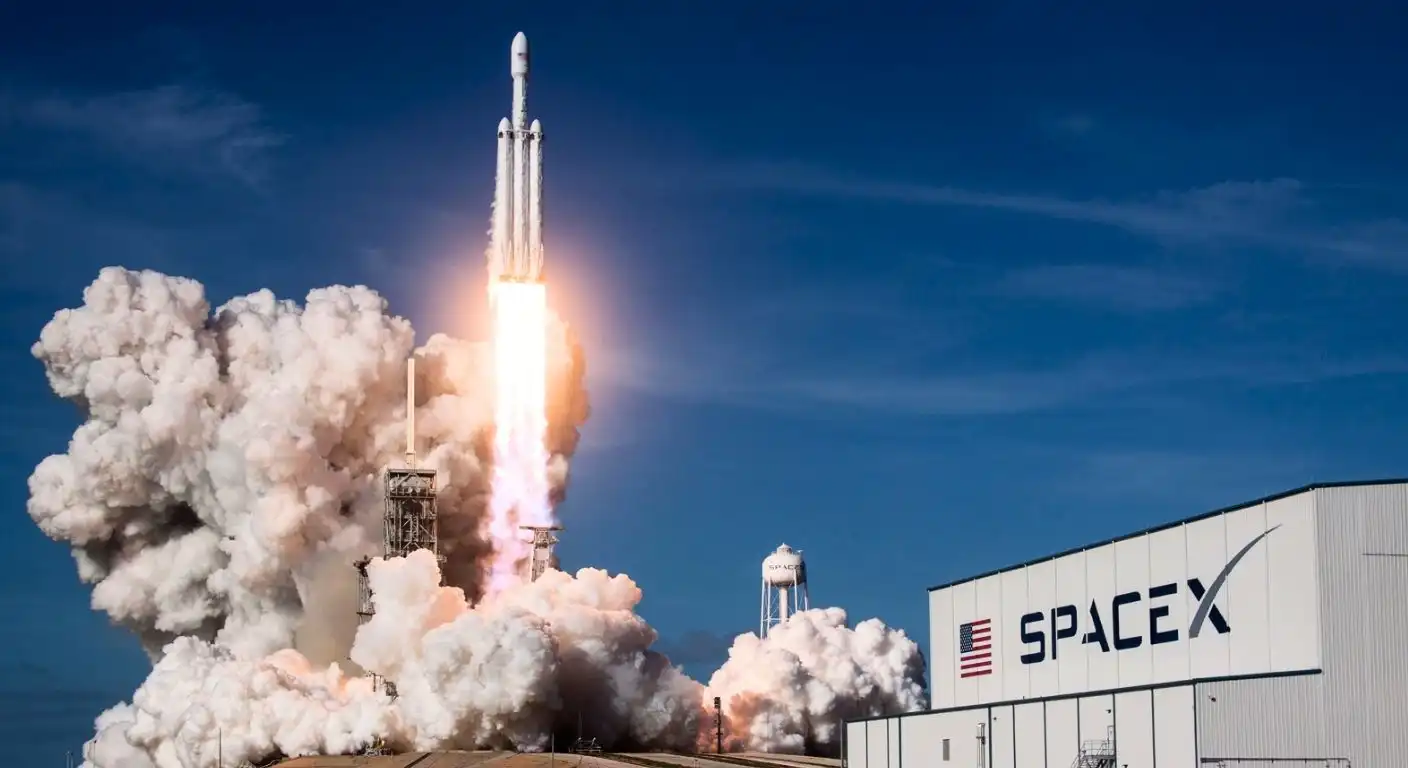
Commercial space exploration giant SpaceX has unveiled plans to build what it describes as the largest rocket launch facility on Earth. Joining state leaders along the Gulf Coast, the company announced an extraordinary $100 billion investment to develop a massive, self-sustaining spaceport in southern Louisiana. Dubbed Starbase Louisiana, the mega-campus will serve as the primary global manufacturing and operational hub for the company’s fully reusable Starship rocket system.
The proposed spaceport will span approximately 125,000 acres in Vermilion Parish, situated around Pecan Island roughly three hours west of New Orleans. The coastal marshland property—more than eight times the physical size of Manhattan—was transferred to the aerospace enterprise through a state-brokered agreement involving former energy industrial land. The vast geographical buffer provides critical safety clearances and open flight corridors over the Gulf of Mexico.
The facility is engineered as a completely self-contained industrial spaceport rather than a conventional launch pad. The master plan includes five individual launch complexes equipped with two Starship launch and catch towers each, creating a total of 10 active launch pads across the facility. The campus will also house dedicated power-generation plants, industrial vehicle assembly hangars, deep-water shipping berths for barge transport, and a private airfield.
A primary strategic advantage of the Louisiana location is its immediate access to abundant, low-cost natural gas pipelines and petroleum infrastructure. Starship’s Raptor engines run on liquid methane and liquid oxygen. By establishing on-site chemical refining and propellant plants, the company can synthesize rocket fuel directly at the launch site, eliminating the complex logistical challenge of trucking thousands of tons of cryogenic fuel across state lines.
Groundbreaking on the site is scheduled to begin in 2027, with the company targeting its inaugural Starship orbital launch from Louisiana by 2029. The site is designed to support high-frequency orbital operations, scaling toward thousands of Starship flights per year. Corporate leadership projects that by 2030, the global launch system could execute up to 30 launches per day to deploy massive low-Earth-orbit broadband networks, orbital artificial intelligence computing clusters, and deep-space lunar missions.
The multi-billion-dollar project will deliver an unprecedented economic boost to regional communities. State economic development agencies estimate that the construction and operational ramp-up will create 3,000 direct full-time jobs over the next decade, with an average annual salary of $92,600—nearly double the regional average. Furthermore, the project will generate more than 8,100 indirect jobs in construction, precision engineering, and logistics, supporting over 11,100 total employment opportunities.
Under an agreement signed with local municipal taxing authorities, SpaceX will provide over $820 million in direct local revenue over a 25-year span. The deal includes an upfront payment of $20 million followed by annual payments of $25 million with an inflation escalator clause to fund local public services, roads, and emergency infrastructure. The enterprise also committed a mandatory $25 million charitable donation to the Community Foundation of Acadiana to support regional education and workforce development.
Addressing local environmental concerns, the company agreed to fund extensive coastal restoration initiatives across the fragile Gulf shoreline. The coastal wetlands of Vermilion Parish currently suffer from severe erosion, losing up to 23 feet of shoreline each year to storm surges and rising water levels. SpaceX will partner with state and federal conservation agencies to restore thousands of acres of disappearing coastal marsh, strengthening natural storm surge barriers for surrounding communities.
Starbase Louisiana joins the company’s existing spaceport network, complementing test facilities at Starbase in South Texas and commercial pads at Cape Canaveral, Florida, and Vandenberg Space Force Base in California. While Texas remains the primary research and development testbed for early Starship prototypes, the Louisiana campus will become the workhorse factory and launch terminal for high-volume commercial spaceflight.
The announcement of Starbase Louisiana marks a decisive shift in commercial space travel from experimental testing to industrial-scale orbital logistics. By uniting massive private capital, abundant local energy resources, and deep-water maritime infrastructure, SpaceX is laying the physical foundation for high-cadence interplanetary spaceflight. The $100 billion project establishes Louisiana as a central gateway for humanity’s expansion into Earth orbit, the Moon, and beyond.