Key Points:
- SpaceX signed a massive three-year computing power agreement with Nvidia-backed startup Reflection AI worth up to $6.3 billion.
- Starting July 1, 2026, Reflection AI will pay $150 million monthly to access advanced Nvidia GB300 chips at SpaceX’s Colossus data center.
- Originally built for Elon Musk’s Grok chatbot, SpaceX’s Colossus infrastructure has evolved into a highly profitable commercial cloud platform.
- The deal comes amid rising corporate interest in open-source AI models following recent regulatory restrictions on closed proprietary systems.
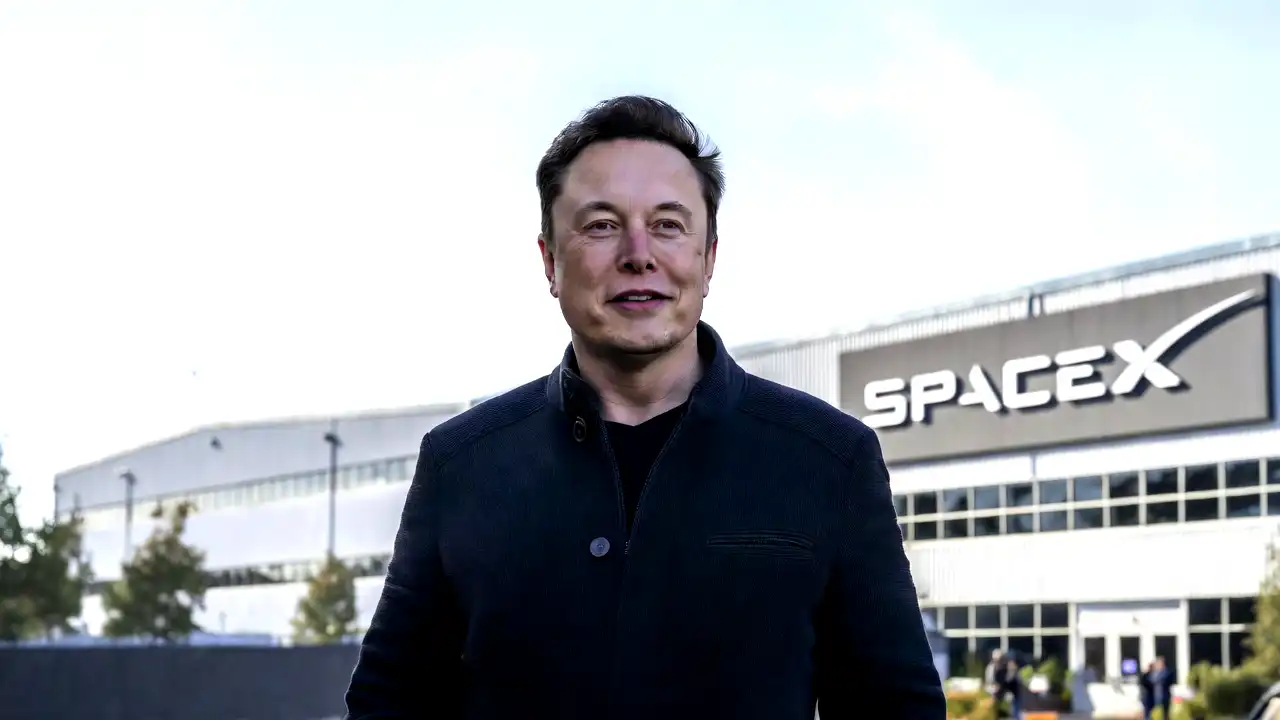
SpaceX is rapidly transforming into one of the most influential artificial intelligence infrastructure providers in the world, leveraging its massive hardware capabilities to secure high-value commercial agreements. In a mid-week regulatory update, financial analysts revealed that Elon Musk’s aerospace conglomerate has entered into a massive, multi-billion-dollar computing capacity agreement with Nvidia-backed startup Reflection AI. The strategic contract, which is estimated to be worth up to $6.3 billion through 2029, will see the open-source AI developer pay SpaceX a staggering $150 million per month starting July 1. This blockbusting deal highlights how the global AI race has created an insatiable demand for raw physical processing power, transforming heavy industrial players into key cloud infrastructure giants.
Under the terms of the agreement, Reflection AI will gain immediate, high-priority access to Nvidia’s next-generation GB300 graphics processing units. These cutting-edge chips represent the absolute pinnacle of current semiconductor technology, engineered specifically to train and run massive, multimodal large language models at unprecedented speeds. The advanced silicon is housed directly within SpaceX’s massive Colossus data center infrastructure located in Memphis, Tennessee. By securing access to this specialized high-performance computing cluster, the startup can immediately accelerate its product development cycles, bypassing the multi-year hardware backlogs currently hobbling its direct competitors.
The transaction marks a major step in the commercial evolution of SpaceX’s private data center infrastructure. The company originally constructed the massive, gigawatt-scale Colossus facility to support Grok, the proprietary artificial intelligence chatbot developed by Elon Musk’s xAI venture to compete directly with ChatGPT. Recognizing the immense, untapped value of its private computing power, SpaceX’s leadership has spent the last year expanding the facility’s operations to sell cloud capacity to external technology firms. This strategic pivot has successfully transformed a massive internal cost center into a highly profitable commercial platform, generating highly predictable recurring revenue streams.
Reflection AI is far from the first high-profile technology client to lease computing resources from the aerospace giant. By signing this agreement, the startup joins an increasingly elite group of artificial intelligence companies that have secured major compute capacity deals with SpaceX over the past year. Previous high-volume contracts include major agreements with Google and Anthropic, alongside a specialized integration deal with popular coding platform Cursor, which SpaceX is currently in the process of acquiring. This rapid aggregation of top-tier AI clients cements SpaceX’s position as a dominant force in the global technology ecosystem, placing it directly alongside traditional cloud giants like Microsoft and Amazon Web Services.
The massive deal also reflects a broader, highly significant shift in market sentiment toward open-source artificial intelligence models. For years, the industry was dominated by closed, proprietary software ecosystems. However, corporate interest in open-source alternatives has surged following Anthropic’s controversial decision to discontinue public access to its advanced Fable 5 and Mythos 5 models. That abrupt shutdown, triggered by sudden national security export controls in Washington, forced many enterprises to re-evaluate their dangerous reliance on closed, centralized platforms. Startups like Reflection AI, which focus strictly on transparent, customizable, and open-source models, have emerged as the primary beneficiaries of this structural industry rotation.
The startup behind this record-breaking transaction is exceptionally well-capitalized to fund its massive computing expenditures. Founded by Misha Laskin and Ioannis Antonoglou—two highly celebrated researchers who previously led reinforcement learning development at Google’s DeepMind division—Reflection AI is focused entirely on building superintelligent autonomous systems. The company recently completed a massive $2 billion funding round led by prominent global investment firms, valuing the open-source pioneer at an estimated $25 billion. Armed with this war chest, the founders are betting heavily that securing long-term access to SpaceX’s massive Colossus infrastructure will provide the computational runway needed to achieve true artificial general intelligence.
Despite the gargantuan $6.3 billion total valuation of the contract, the agreement includes highly flexible operational guidelines to protect both parties. While the contract commits Strategy—no, wait—the contract commits SpaceX to support the high-capacity hardware through 2029, it also includes a series of strategic escape clauses. The agreement allows either party to renegotiate the pricing terms or terminate the contract early if local energy grids cannot support the massive power demands or if regional regulatory frameworks restrict data hosting. This flexible structure is highly sensitive, as the rapid pace of semiconductor development means that today’s cutting-edge processors can become obsolete within years.
Despite the immense strategic value of the announcement, financial markets reacted with visible caution. Shares of SpaceX traded on the public exchange closed down by approximately 9% on Monday, continuing a multi-day slide that has erased some of its spectacular post-IPO gains. Market analysts attribute the downward pressure to natural profit-taking following the company’s historic stock market debut, rather than any structural concern over its business operations. Investors are also adjusting their models to account for the company’s massive capital expenditure plans, which include a proposed $20 billion bond sale to refinance its existing long-term debt and fund its ongoing expansion into space and computing.
As the July 1 launch date for the compute lease approaches, the partnership between SpaceX and Reflection AI is laying the foundation for a profound restructuring of the global technology sector. By proving that a heavy industrial manufacturer can successfully build, operate, and commercialize a world-class AI supercomputer, Elon Musk has dismantled the traditional boundaries separating aerospace from advanced computing. For Reflection AI, the massive deal ensures that its research teams have the raw, uncompromised physical power needed to build the most advanced open-source models on Earth. The ongoing silicon rush proves that in the modern digital age, true technological independence belongs to the companies that can control the hardware.