Key Points:
- SpaceX navigated a turbulent first week as a publicly traded company, dealing with intense earnings scrutiny and a major insider share lock-up expiration.
- Despite reporting strong second-quarter revenue of $7.8 billion that beat Wall Street estimates, shares faced downward pressure over heavy artificial intelligence spending.
- The simultaneous release of early financial returns and the lifting of insider trading restrictions triggered heavy volume and volatile trading swings.
- Market analysts remain split on whether Starlink’s profitability can sustainably bankroll the company’s multi-billion-dollar computing infrastructure ambitions.
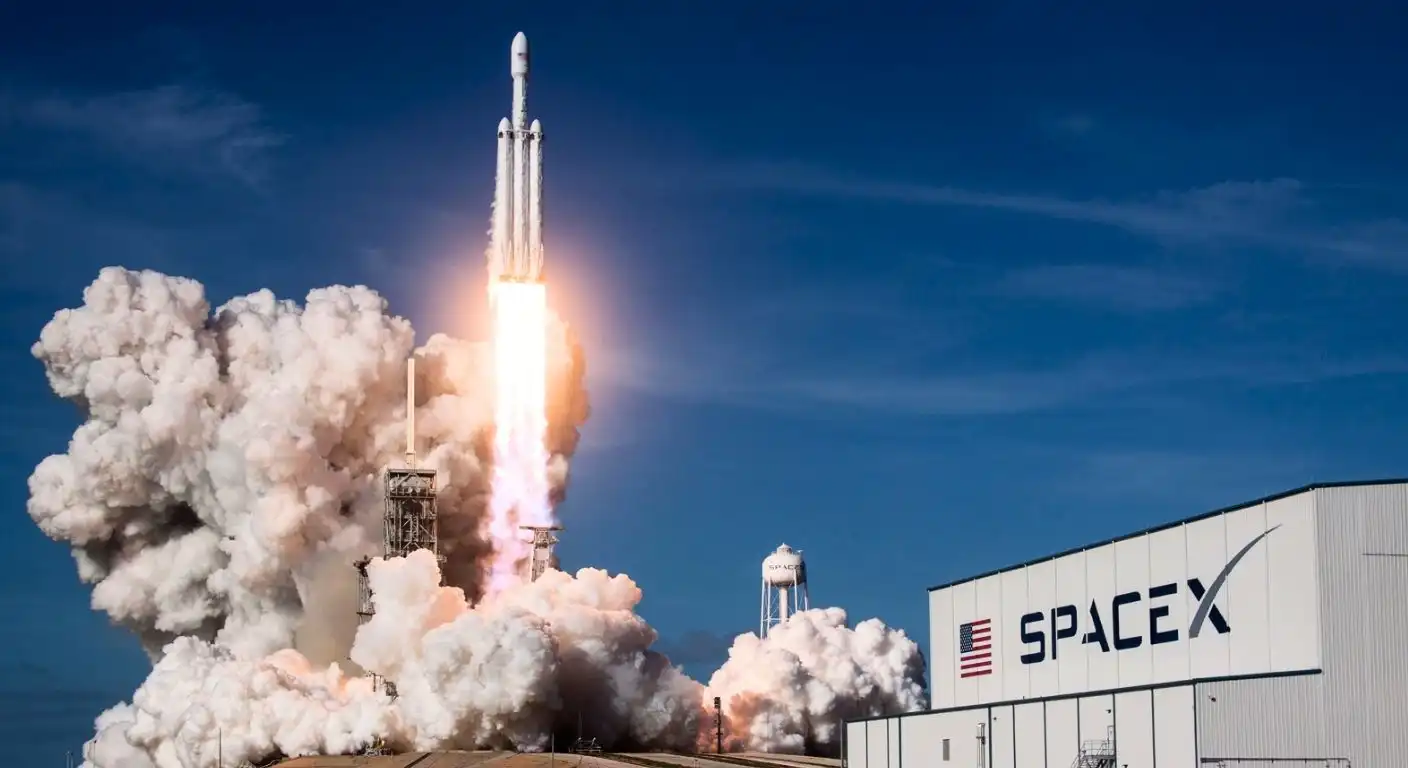
The aerospace and technology conglomerate SpaceX just survived one of the most demanding stretches in modern corporate history. Following its high-profile initial public offering, the enterprise faced a high-stakes convergence of its inaugural quarterly earnings report and the expiration of early insider share lock-up restrictions. This combination created a trial by fire for public market investors, testing institutional conviction against massive capital expenditures and sudden liquidity shifts.
The rollercoaster week began with the publication of the company’s second-quarter financial statements. Total revenue surged to $7.8 billion, comfortably outperforming Wall Street consensus estimates of $6.82 billion. This 92% year-over-year revenue leap was powered by robust performance across the Starlink satellite internet division, traditional space launches, and expanding artificial intelligence cloud services. However, despite the top-line beat, Wall Street analysts zeroed in on the company’s heavy cash burn and surging capital outlays.
The primary point of contention among institutional shareholders involved the aggressive scaling of artificial intelligence infrastructure. Out of $18.4 billion in total quarterly capital expenditures, a staggering $15.8 billion went directly toward artificial intelligence data centers, advanced chips, and supercomputing clusters. Although Chief Executive Officer Elon Musk and executive leadership defended these investments by citing a rapid payback period of under one year, short-term traders reacted cautiously to the negative free cash flow figures, sending shares sliding below their initial public offering price.
Compounding the earnings volatility was the sudden lifting of insider share lock-up restrictions. This regulatory milestone allowed early employees, venture backers, and institutional insiders to sell millions of shares on the open market for the first time. The influx of available float drove daily trading volumes to historic highs, testing market liquidity and triggering sharp intraday price fluctuations as buyers and sellers searched for a stable equilibrium.
Despite the near-term turbulence, long-term proponents argue that the sell-off presents a short-sighted reaction to a transformative growth story. With Starlink reporting 12 million global subscribers and securing billions in fresh cloud contracts, the enterprise maintains dominant technological moats in both space exploration and enterprise computing. As public markets digest the heavy spending cycle, future quarters will determine whether SpaceX can successfully balance its astronomical ambitions with steady shareholder returns.