Key Points:
- Oil and energy prices oscillated around flatlines on Tuesday as traders weighed the potential for renewed diplomatic talks between the U.S. and Iran.
- While the White House declared the Strait of Hormuz open to tanker traffic, Iran has insisted on pursuing joint oversight of the vital maritime gateway.
- Despite benchmark Brent crude falling toward pre-conflict levels around $74.25, underlying fuel markets remain tight due to refinery bottlenecks.
- The U.S. has signaled that peace talks could resume in Doha, but Tehran’s hesitation to commit keeps global shipping and energy markets on edge.
Global energy markets experienced a quiet but highly tense trading session on Tuesday as investors carefully balanced diplomatic progress against real-world supply constraints. Oil prices oscillated around the flatline throughout the day, reflecting deep market uncertainty over whether a fragile peace can hold in the Middle East. While a major military flare-up in the strategic Strait of Hormuz has successfully been de-escalated, a series of fresh, localized military exchanges has kept traders on high alert. The ongoing geopolitical chess match is forcing commodity desks to weigh the potential for a comprehensive diplomatic settlement against the persistent threat of physical supply disruptions.
A detailed look at the daily trading boards reveals a highly unified but cautious movement across the entire energy complex. Light crude oil, the U.S. benchmark West Texas Intermediate (WTI), ticked up slightly by 0.27% to settle at $70.94 per barrel, while global benchmark Brent crude oil edged up 0.46% to trade near $74.25. Natural gas futures experienced a more robust gain, rising 2.17% to $3.250 per million British thermal units. On the refined products side, RBOB gasoline rose 0.48% to $2.9150 per gallon, while New York Harbor Ultra-Low Sulfur Diesel (ULSD) gained 1.73% to settle at $3.2419. This flatline consolidation proves that while the extreme, war-induced price spikes have faded, the market remains highly sensitive to any shift in the regional balance of power.
The immediate focus for energy traders is an escalating diplomatic campaign designed to permanently resolve the regional crisis. President Donald Trump publicly announced that negotiators from both Washington and Tehran would resume formal peace talks in Doha, Qatar, later on Tuesday. However, the announcement has failed to spark a major market rally because Iranian officials have yet to formally commit to the new round of negotiations. This diplomatic hesitation has left global commodity markets highly uncertain over whether the current truce represents a permanent step toward peace or merely a temporary pause before another round of military escalation.
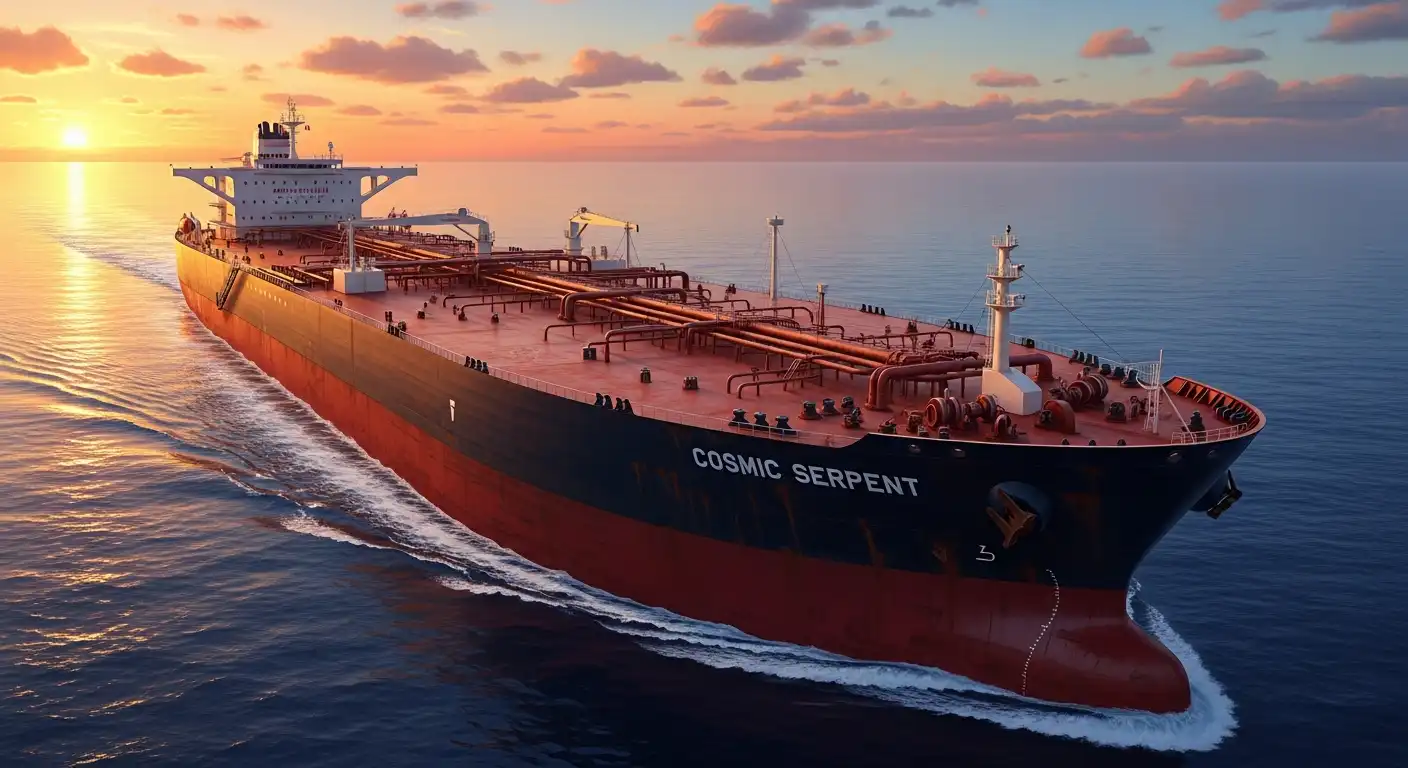
The primary point of physical friction remains the security and legal status of the Strait of Hormuz, a narrow maritime corridor that handles approximately 20% of the world’s daily petroleum trade. While White House officials have repeatedly stressed that the vital waterway is fully open to international tanker traffic, Tehran’s regional posturing suggests a much more complicated reality. Iran’s Deputy Foreign Minister, Kazem Gharibabadi, publicly declared that Tehran will continue to pursue plans to establish joint, state-backed maritime oversight through the strait. Gharibabadi emphasized that Iran will push forward with this oversight initiative even if neighboring Oman chooses not to participate, establishing a potential secondary flashpoint for maritime shipping.
This prospect of greater Iranian control over the daily flow of merchant shipping has raised immediate alarms among global logistics and energy analysts. Financial commentators note that any attempt by Tehran to implement arbitrary cargo inspections, mandate secondary transit permits, or restrict Western-aligned vessels will dramatically slow down the recovery of crude exports from the Persian Gulf. Commercial shipping lines are approaching the region with extreme caution, as high insurance premiums and persistent safety concerns make them highly hesitant to scale up their transit volumes. This logistical bottleneck means that while the water is physically open, the virtual supply line remains highly constrained.
Despite these maritime anxieties, the overall price of crude has successfully retraced almost all of its conflict-driven gains, returning to the baseline levels recorded before the war erupted. This rapid price collapse is a direct result of the interim memorandum of understanding signed earlier this month, which successfully averted what threatened to become an all-out regional war. By removing the immediate threat of a total, long-term blockade of Middle Eastern oil, the diplomatic agreement prompted large speculators to quickly liquidate their long hedge positions, stripping a massive geopolitical risk premium of up to $30 per barrel from the benchmark price.
However, while crude prices have softened significantly, the refined fuel markets are telling a completely different story, pointing to persistent, underlying supply constraints. New York Harbor diesel and RBOB gasoline futures continue to trade at substantial premiums, resisting the downward trend of crude. Market analysts at ANZ noted that this sharp divergence between softer crude prices and firmer refined fuel markets suggests that refinery margins will remain highly supported even if benchmark crude prices stay subdued. This indicates that the real-world squeeze on the energy sector has transitioned from a lack of raw crude oil to a severe shortage of physical refining capacity.
This refined product squeeze is a direct result of years of underinvestment in heavy industrial processing infrastructure, combined with recent operational damage. During the height of the Middle East conflict, several major regional refineries suffered physical damage from drone strikes and sabotage, taking millions of barrels of refining capacity offline. Because modern high-tech industries, global transport fleets, and agricultural networks require highly refined fuels rather than raw, unrefined crude, these refinery bottlenecks have created a persistent global deficit of diesel and gasoline. This physical deficit means that even if crude oil flows freely, the cost of processed fuel will remain high for businesses and consumers.
Ultimately, the flatline trading on Tuesday proves that the global energy market is caught in a delicate, highly volatile transition phase. While the successful de-escalation of the Strait of Hormuz blockade has successfully protected the global economy from a catastrophic, energy-driven depression, the path to a permanent diplomatic settlement remains highly uncertain. If the upcoming Doha peace talks fail to materialize, or if Tehran attempts to implement heavy-handed maritime oversight, the shipping risks could easily trigger a secondary wave of price spikes. Until the physical infrastructure is fully repaired and permanent rules of the road are established, the global supply line will remain highly vulnerable to the next geopolitical surprise.