Key Points:
- The National Highway Traffic Safety Administration denied a petition by Tesla to avoid fixing headlights on nearly 20,000 vehicles.
- Regulators noted that the headlights may exceed maximum allowed lighting levels, posing a glare risk to other drivers.
- Affected vehicles include select 2017-2023 Model 3 and Model Y units, which must now undergo a recall repair.
- The federal agency rejected Tesla’s argument that the lighting noncompliance was inconsequential to overall road safety.
Federal auto safety regulators have delivered a major compliance setback to the world’s leading electric vehicle manufacturer. The National Highway Traffic Safety Administration (NHTSA) has officially denied a petition filed by Tesla that sought to avoid a mandatory recall repair for nearly 20,000 vehicles equipped with noncompliant headlights. The decision ends a two-year regulatory effort by the automaker to bypass physical modifications for the affected vehicles, cementing the government’s strict stance on hardware compliance and road safety.
The safety dispute centers on a technical noncompliance involving the high-intensity illumination systems of certain electric sedans and crossover utility vehicles. Federal testing revealed that the headlights on the affected models can produce illumination levels that exceed maximum regulatory limits established under federal motor vehicle safety standards. Operating with excessively bright headlights creates a severe glare risk for oncoming motorists, bicyclists, and pedestrians, potentially causing temporary visual impairment and increasing the likelihood of nighttime collisions.
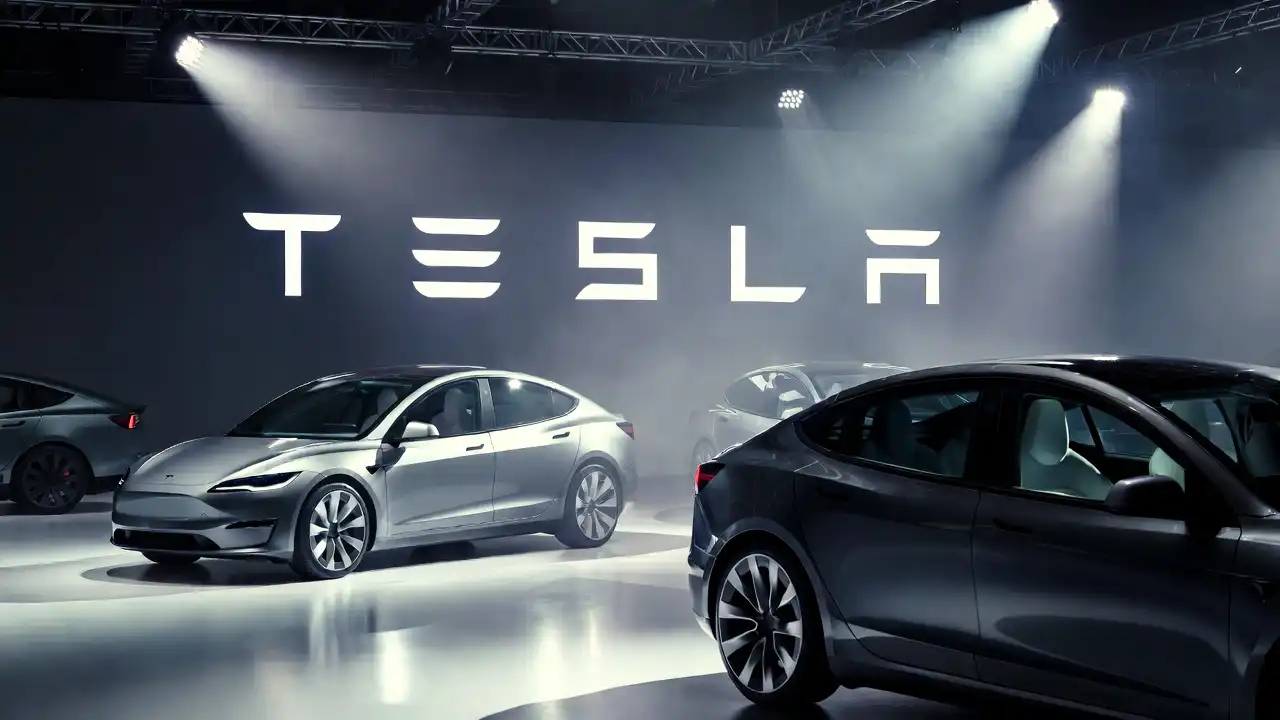
The regulatory mandate covers a highly specific subset of the automaker’s most popular vehicle platforms. The noncompliance affects select Model 3 and Model Y vehicles manufactured between the 2017 and 2023 model years. Because these two models represent the vast majority of the company’s global fleet volume, any mandated physical hardware modification requires extensive coordination across service centers and mobile repair teams to ensure that nearly 20,000 vehicles undergo the necessary adjustments.
The automaker originally filed its administrative petition in 2024, arguing that the technical lighting discrepancy was entirely inconsequential to overall motor vehicle safety. The company asserted that the minor over-illumination occurred only under highly specific, rare operating conditions and did not create a real-world safety hazard. To back up its defense, the manufacturer emphasized that its data contained zero customer complaints, warranty claims, structural crashes, or bodily injuries linked directly to the headlight glare issue since the vehicles entered service.
Federal safety regulators flatly disagreed with the automaker’s risk assessment, ruling that strict adherence to lighting standards is essential to protect public safety. The agency pointed out that even minor deviations from maximum lighting levels can cause dangerous glare, particularly under adverse atmospheric conditions such as heavy rain, snow, and dense fog. Under these low-visibility conditions, excessive light scattering can severely compromise the vision of other drivers, making the noncompliance a legitimate safety hazard that requires a formal, physical remedy.
To justify its firm stance on the lighting noncompliance, the regulatory body pointed to established administrative precedents. The agency noted that it had previously rejected a highly similar petition from General Motors in 2022 involving an unrelated headlight illumination issue. By consistently denying these exemption requests across different automakers, the agency seeks to reinforce the principle that federal lighting standards are absolute limits, rather than flexible guidelines that manufacturers can negotiate away through administrative petitions.
Having exhausted its administrative appeals, the automaker must now move forward with a formal recall campaign to bring the noncompliant vehicles into full compliance. Technicians at the company’s service centers must inspect the headlight assemblies of the affected Model 3 and Model Y units and perform the necessary calibration adjustments or hardware replacements at no cost to the vehicle owners. The company must also dispatch formal notification letters to the owners of the nearly 20,000 affected vehicles, instructing them to schedule service appointments through the mobile application.
This headlight-related setback adds to an increasingly complex and intense regulatory environment for the electric vehicle pioneer in its domestic market. Over the past several months, federal auto safety watchdogs have launched and escalated multiple high-profile investigations into the company’s driving assistance software, specifically its Full Self-Driving and Autopilot suites. These ongoing federal probes focus on whether the software-based systems fail to adequately detect and warn drivers under challenging environmental conditions, maintaining a heavy regulatory overhang on the company’s autonomous ambitions.
The mandate to perform a physical hardware repair also highlights a critical cost challenge for the company’s operational model. While the automaker has historically resolved the vast majority of its safety recalls through over-the-air software updates that cost virtually nothing to deploy, physical hardware modifications require hands-on labor and replacement parts. Coordinating physical recall repairs for nearly 20,000 older Model 3 and Model Y vehicles introduces significant service center overhead, stretching the company’s regional service networks and impacting near-term operational margins.
Ultimately, the federal denial of the headlight exemption petition demonstrates that automotive regulators are unwilling to grant leniency on basic hardware safety standards. While the company continues to push the boundaries of software automation and autonomous driving, it must still comply with the strict, traditional safety rules that govern physical vehicle manufacturing. As the recall campaign begins for the affected Model 3 and Model Y vehicles, the outcome highlights that even the most technologically advanced automakers cannot escape the unyielding oversight of federal safety standards.