Key Points:
- Tesla is gearing up for the public launch of its purpose-built autonomous Cybercab in Austin, Texas.
- The rollout will begin with company employee rides on public roads before integrating vehicles into the broader Robotaxi network.
- The custom two-seater operates completely without a steering wheel or brake pedals, running entirely on Full Self-Driving software.
- Tesla conducted safety tests on private routes and completed emergency coordination training with local first responders.
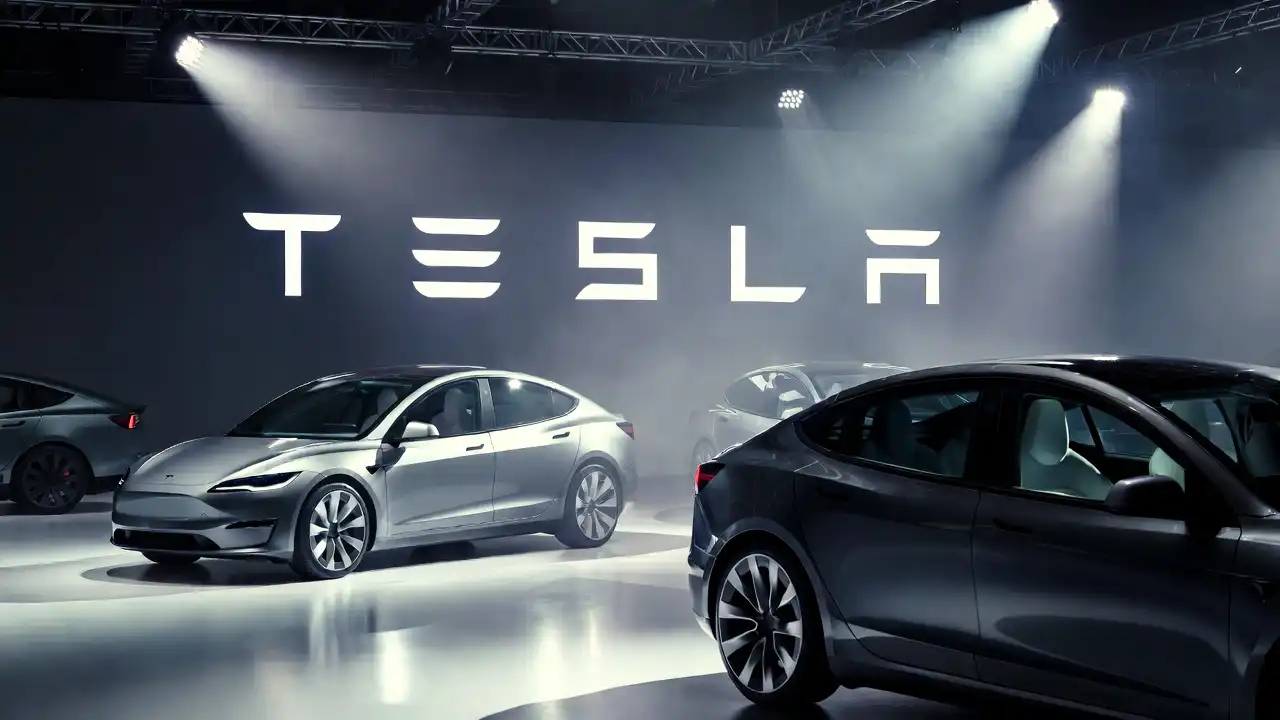
Electric vehicle pioneer Tesla is moving closer to realizing its vision of dedicated autonomous passenger transport. The company notified internal staff that it is preparing for the public debut of its purpose-built Cybercab in Austin, Texas. This strategic deployment represents a major milestone for the automaker, transitioning its dedicated robotaxi vehicle from closed factory testing onto active municipal roadways.
The planned rollout follows a structured, multi-phase operational strategy. Rather than opening commercial bookings to general passengers immediately, Tesla will start by offering Cybercab rides exclusively to its own employees on public streets. After collecting operational telemetry and verifying real-world performance over several days, the company plans to fold the custom vehicles into its active Austin robotaxi service, which previously relied on modified Model Y SUVs.
The Cybercab represents a radical departure from traditional automotive design. Built as a sleek two-seater with butterfly doors, the vehicle contains no steering wheel, accelerator pedals, or manual driving controls. This hardware architecture makes it the first vehicle in the company’s lineup that a passenger cannot physically take over from the inside, relying entirely on advanced vision-based neural networks and autonomous driving computers.
To ensure safety and meet municipal standards ahead of the launch, engineering teams completed extensive preparatory groundwork around the company’s Texas manufacturing campus. Following test drives on public roads and employee trials on private routes, the company recently concluded specialized emergency training sessions with Austin first responders to familiarize local emergency crews with the autonomous vehicle’s systems.
Chief Executive Officer Elon Musk has long positioned the Cybercab and the accompanying autonomous ride-hailing network as the cornerstone of Tesla’s future valuation and long-term revenue growth. While commercial regulatory approvals remain a key hurdle for driverless fleets nationwide, the Texas rollout signals that the company is eager to demonstrate its custom autonomous technology in real-world traffic.