Key Points:
- Swedish labor union IF Metall officially called off its nearly three-year-long strike against electric vehicle maker Tesla.
- The industrial action, marking the longest strike in modern Swedish history, concluded after Tesla bought out the remaining striking workers.
- The union stated that the walkout no longer had any effect since active union members at the company were fully bought out.
- The high-profile labor dispute began over Tesla’s refusal to sign a traditional Swedish collective bargaining agreement.
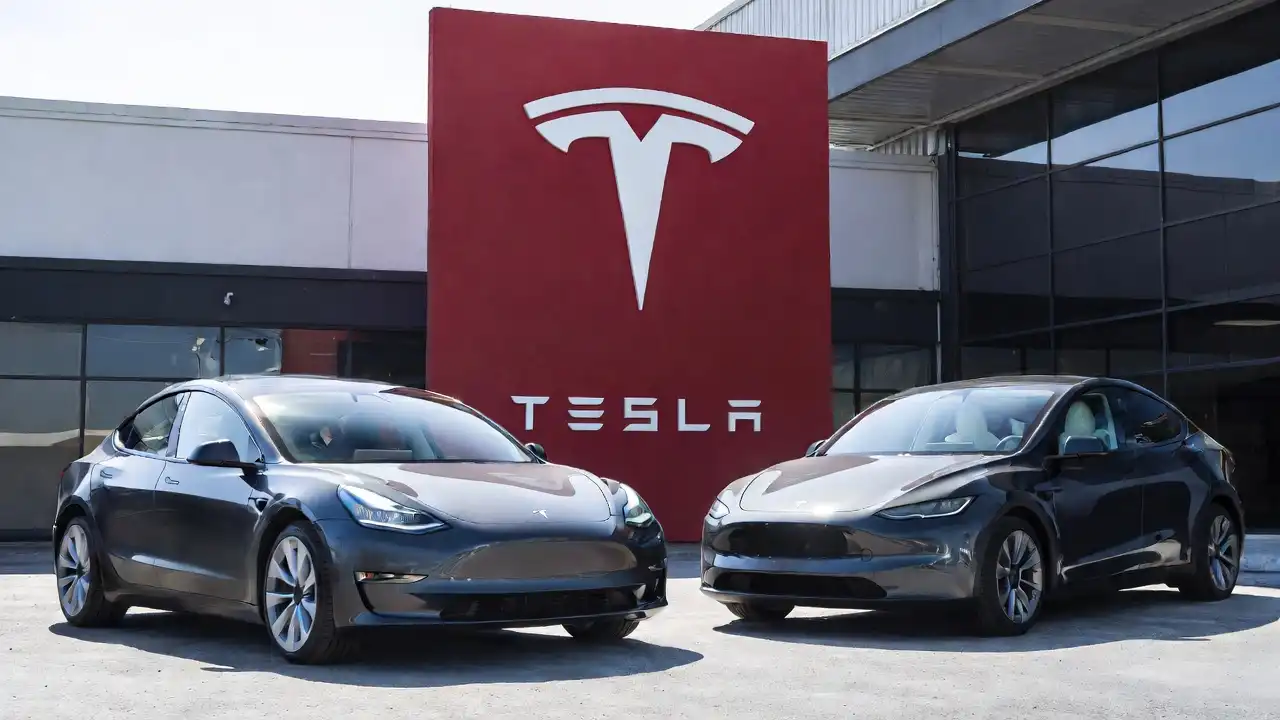
The longest labor conflict in modern Swedish history has finally come to an end. The Swedish industrial union IF Metall announced that it is suspending its historic strike against American electric vehicle maker Tesla. The decision to halt all industrial action follows a prolonged standoff that captured international attention as a major clash between traditional Nordic labor practices and the anti-union stance of Chief Executive Officer Elon Musk.
The high-profile labor dispute kicked off when mechanics across multiple Tesla repair workshops walked off the job. The core demand centered on a single requirement: that the automaker sign a standard Swedish collective bargaining agreement, known locally as a kollektivavtal, which covers the vast majority of workplaces across the country. However, leadership maintained a firm policy against signing collective agreements, arguing that its staff already received compensation packages and working conditions equal to or better than those demanded by labor organizers.
As the walkout persisted, it snowballed into a massive regional blockade. Supportive trade unions across the Nordic region rallied behind the striking mechanics. Dockworkers in Sweden refused to unload incoming vehicle shipments at local ports, while sympathetic unions in Denmark, Norway, and Finland joined secondary blockades. Furthermore, postal workers stopped delivering license plates, electricians refused to service company charging stations, and cleaning staff walked away from showroom maintenance contracts.
Despite the extensive multinational blockades, the automaker managed to route around the disruptions. The company imported vehicles through alternative European ports, transported cars via heavy trucks across borders, and pursued legal avenues to secure vehicle registration plates independently. Throughout the multi-year ordeal, the company continued to sell new vehicles and service customer fleets across the region without yielding to union demands.
The industrial action ultimately concluded not through a negotiated compromise, but because the corporate entity bought out the remaining striking members. Union representatives noted that because the carmaker purchased the contracts of the active participants, the ongoing conflict lost its leverage and practical effect. While labor organizers criticized the unorthodox resolution as an unprecedented move in the local labor market, the suspension brings closure to a landmark chapter in European industrial relations.