Key Points:
- A Texas family filed a wrongful death lawsuit seeking over $1 million after a Tesla Model 3 crashed into their home, killing a 76-year-old woman.
- The 44-year-old driver told investigators that he was operating the vehicle with its automated driver-assistance features active.
- Tesla’s executive leadership claims vehicle logs prove the driver manually overrode the autopilot by pressing the accelerator to 100 percent capacity.
- Federal safety regulators at the National Highway Traffic Safety Administration have opened a special investigation into the high-speed collision.
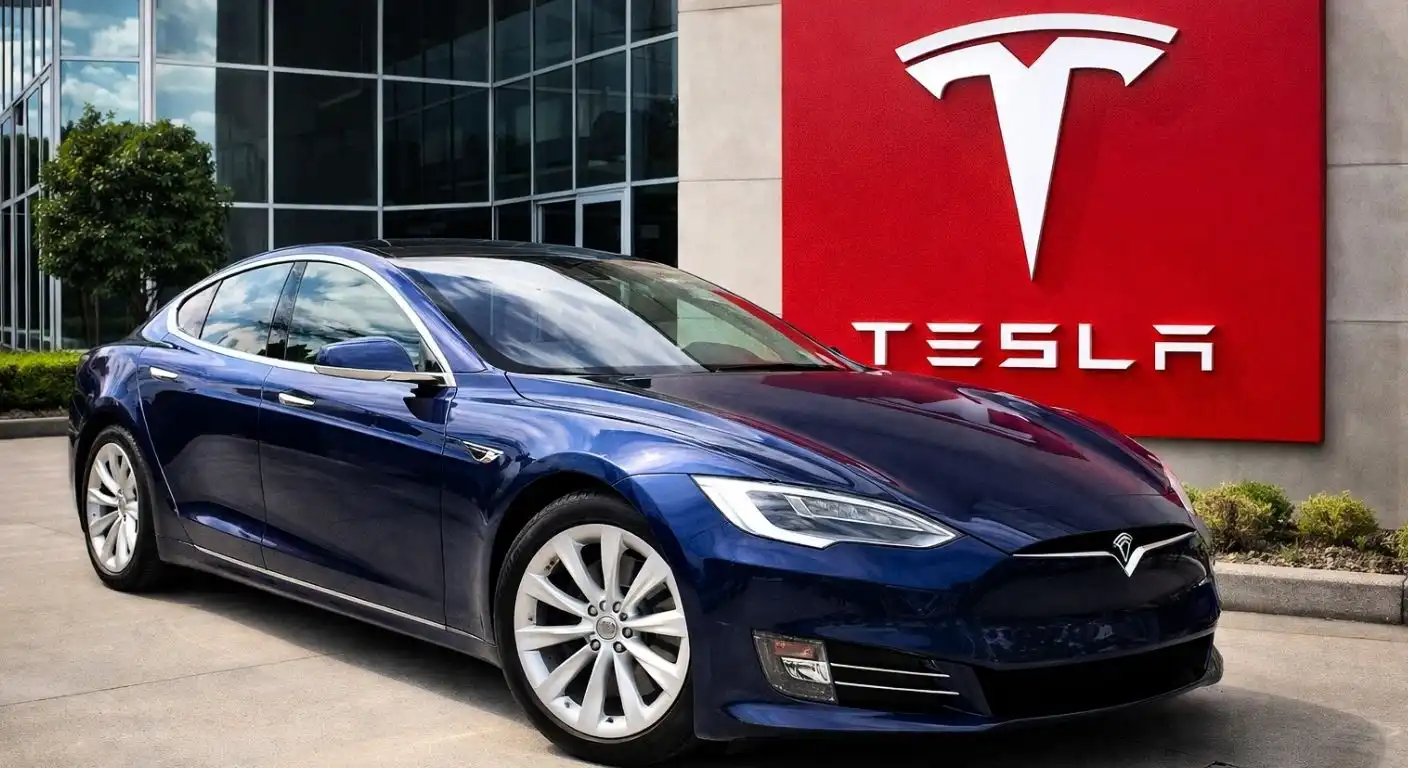
A tragic high-speed collision in Katy, Texas, has triggered a major wrongful death lawsuit against Tesla Inc. after a Model 3 electric car crashed through the front brick wall of a residential home, killing a 76-year-old grandmother. The family of the deceased woman filed the lawsuit in Harris County District Court, accusing the automaker of selling a vehicle with defectively designed driver-assistance systems and failing to warn consumers about their severe limitations. The legal filing comes amid intense national debate over the safety of autonomous driving software and has drawn the immediate attention of federal crash investigators. For Tesla, which is pushing heavily to transition its entire brand identity toward artificial intelligence and robotaxis, the fatal crash represents a severe setback in public trust and regulatory safety approvals.
The fatal accident occurred on a Friday evening around 8:00 p.m. when a Tesla Model 3 traveling eastbound on Rose Hollow Lane failed to maintain its lane and missed a right-hand turn. Instead of navigating the curve, the electric vehicle left the roadway at a high speed and slammed directly into the front exterior wall of a local residential home. Inside the home, 76-year-old Martha Avila was standing in a front room that the family commonly used as a playroom for young children. The violent impact drove the vehicle deep into the room, pinning Avila beneath the heavy debris and the wreckage of the car. Emergency responders rushed to the scene and utilized a medical helicopter to airlift Avila to a nearby hospital, where medical staff later pronounced her dead from her extensive injuries.
Another family member, Justin Barbour, was also inside the front room of the home during the collision and sustained serious physical injuries to his neck, back, and shoulders. The rest of the family, which includes two parents and three young children, was thankfully in other areas of the house or in the backyard when they heard a deafening boom. While they escaped physical harm, the massive structural damage rendered the entire house completely unlivable. The displaced family has been forced to live in local hotels while they search for permanent housing and wait for answers regarding what caused the vehicle to accelerate so violently into their home.
Avila’s daughter, Jennifer Barbour, and her husband, Justin, filed the legal action on behalf of Avila’s estate, naming both Tesla and the 44-year-old driver, Michael Butler, as defendants. Represented by the Houston-based law firm Zehl & Associates, the family seeks more than $1 million in damages alongside substantial punitive damages. The lawsuit alleges that Tesla’s Autopilot and Full Self-Driving systems suffer from critical design flaws, claiming the vehicle failed to recognize the end of the street and the residential building in its path. Furthermore, the petition argues that the car failed to monitor driver engagement properly and suggests that the Model 3 might have experienced sudden unintended acceleration, a dangerous software or hardware behavior that has been alleged in several previous safety complaints.
The driver, Michael Butler, also suffered non-life-threatening injuries in the crash and cooperated fully with local law enforcement investigators at the scene. Deputies from the Harris County Sheriff’s Office confirmed that Butler showed absolutely no signs of intoxication or impairment when evaluated immediately after the collision. However, Butler told investigators that his Tesla’s automated driver-assistance features were fully engaged and running at the time of the crash. The family’s legal team has demanded that Tesla immediately preserve all digital and physical evidence related to the vehicle, including the event data recorder, software logs, telemetry data, firmware versions, and external camera recordings.
In response to the mounting public backlash, Tesla’s top executives have taken to social media to vigorously defend their technology. Chief Executive Officer Elon Musk posted a public statement on the social media platform X, arguing that Full Self-Driving software naturally travels slowly through narrow neighborhood streets, making a high-speed crash in such a zone highly unusual and illogical. Adding technical details to the defense, Tesla’s Head of AI, Ashok Elluswamy, claimed that the company’s internal data logs paint a completely different picture. According to Elluswamy, the driver manually overrode the self-driving system by pressing the accelerator pedal down to 100 percent of its capacity, which caused the vehicle to accelerate to a speed of 73 mph (117 km/h) just before the devastating impact.
Despite these corporate defense statements, safety officials are launching their own independent probes into the collision. The National Highway Traffic Safety Administration (NHTSA) opened a Special Crash Investigation to determine whether the Autopilot system was indeed active and how it behaved leading up to the impact. Meanwhile, the Harris County Sheriff’s Office Vehicular Crimes Division is conducting a full physical reconstruction of the accident. Local authorities reported that they have not found any evidence of a mechanical malfunction in the car so far, but they emphasized that the investigation is highly active and that they will hand their completed files over to the Harris County District Attorney’s Office once finished.
The legal battle in Texas highlights a long-running controversy surrounding the safety of semi-autonomous driving features. Safety advocates have consistently criticized the electric vehicle company for marketing its driver-assist packages with names like “Autopilot” and “Full Self-Driving,” arguing that these terms mislead consumers into thinking the cars can operate safely without hands-on human supervision. The current lawsuit points to a previous independent study that linked at least 17 fatal accidents to the company’s driver-assist systems over a multi-year period. In addition, the family’s legal team is leaning heavily on technical arguments that previously secured a landmark $243 million jury verdict against the automaker in a similar Florida Autopilot-related death case.
As the legal proceedings begin, the case could have massive financial and regulatory implications for the broader autonomous vehicle industry. Companies like Tesla are betting their entire financial futures on the promise of self-driving passenger vehicles, yet high-profile crashes involving innocent bystanders inside their own homes threaten to trigger severe regulatory restrictions. If courts continue to find car manufacturers liable for design defects and insufficient driver-monitoring systems, it could lead to mandatory software recalls and restricted access to neighborhood testing zones. For the grieving Barbour family, however, the legal battle is a quest for simple justice and corporate accountability after a technology-fueled tragedy shattered their peaceful suburban life.