Key Points:
- The U.S. Justice Department ruled that the 2022 federal ban on TikTok for government devices no longer applies.
- The policy shift follows the transfer of U.S. operations to a new, majority-U.S.-owned joint venture.
- ByteDance reduced its ownership stake to 19.9% to bypass the 20% foreign-adversary control threshold.
- Critics warn the move exposes federal networks to potential Chinese cognitive domain warfare and election interference.
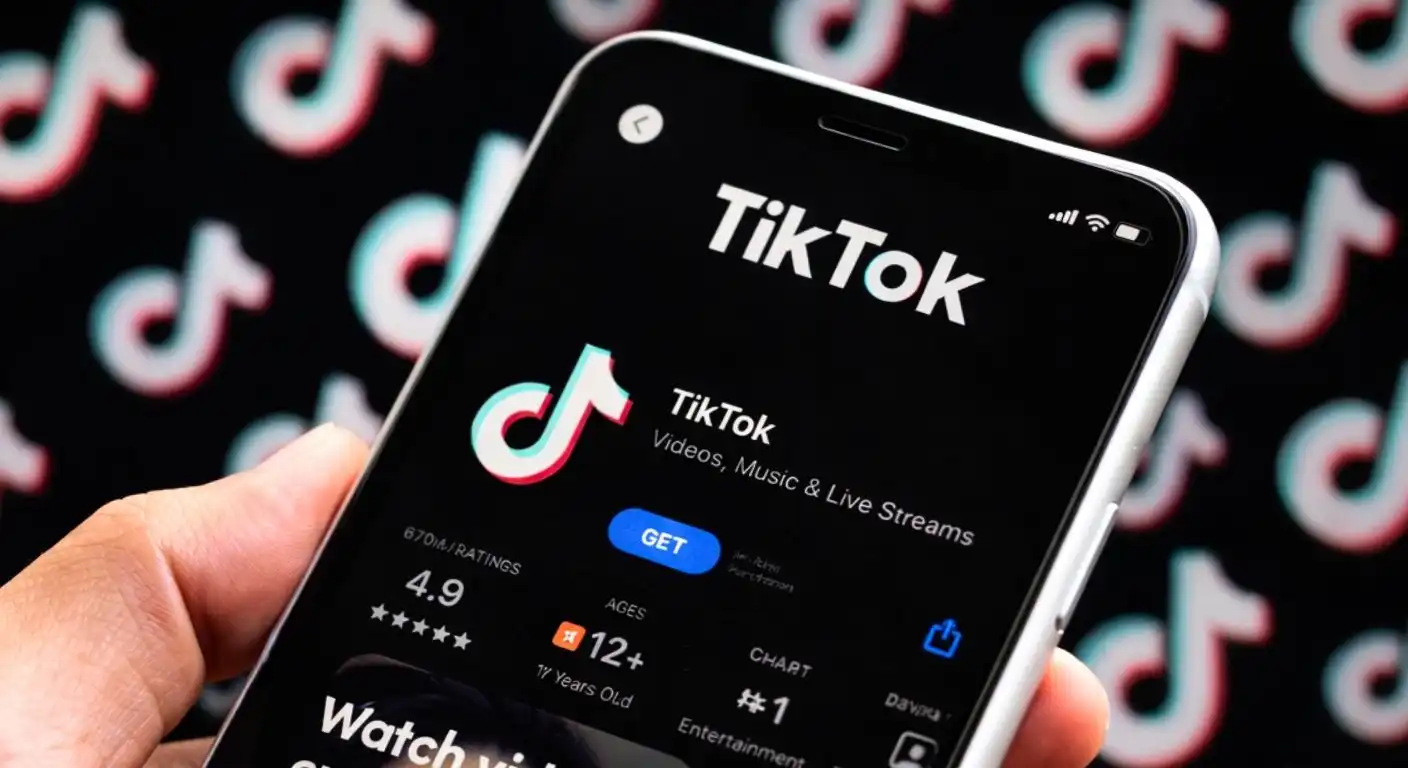
In a shocking regulatory reversal that has triggered intense national security debates, the United States government has officially dismantled its long-standing restrictions on hosting the world’s most popular short-video application on official networks. The TikTok Federal Device Ban Lifted decision comes after the Justice Department’s Office of Legal Counsel issued a comprehensive, 12-page memorandum opinion declaring that the 2022 federal ban no longer applies to the social media application. This policy shift permits millions of federal employees to download and use the platform on government-issued devices, marking a complete U-turn on an application previously designated as a primary foreign espionage threat.
The legal justification for lifting the ban rests on a highly sophisticated corporate restructuring executed earlier in the year. In January, the social media platform’s U.S. operations officially transitioned to a newly established, U.S.-majority-owned corporate entity called the TikTok USDS Joint Venture LLC. Under this new structure, Beijing-based parent company ByteDance reduced its ownership stake to exactly 19.9%. Because this holding sits safely below the 20% foreign-adversary ownership threshold established by the 2024 Protecting Americans from Foreign Adversary Controlled Applications Act, federal lawyers concluded that the platform is no longer technically controlled by a foreign adversary.
The newly established joint venture is split among a group of prominent American investors and strategic allies. U.S. database and cloud giant Oracle, tech investment firm Silver Lake, and Abu Dhabi-based state-owned investment fund MGX each hold equal 15% equity stakes in the company, with the remaining shares held by other prominent venture capital groups. Under the agreement, Oracle, led by a prominent political megadonor, will serve as the “trusted technology partner.” The cloud giant will host all U.S. user data in its secure domestic cloud environment and take responsibility to retrain, test, and update the platform’s proprietary content recommendation algorithm.
This corporate restructuring represents a major political victory for President Donald Trump, who spent months actively stalling and delaying the enforcement of the 2024 divest-or-ban law. Following the formal finalization of the joint venture, the president took to his social media platform, Truth Social, to claim credit for saving the application. He praised the transition to a group of patriotic American investors and publicly thanked Chinese President Xi Jinping for cooperatively approving the complex international transaction. The president has since instructed executive branch agencies that employees may download the application on their official devices, subject to individual agency discretion.
However, the decision to greenlight the short-video platform on federal networks has exposed a glaring and highly embarrassing contradiction at the heart of the administration’s national security policy. The regulatory clearance coincides with reports that the administration is preparing a draft executive order to declare a national emergency over foreign election interference. National security analysts point out the sheer hypocrisy of preparing to lock down electoral infrastructure over perceived Chinese threats while simultaneously permitting a platform with over 170 million active U.S. users—which the government historically characterized as a primary Chinese psychological warfare tool—back onto official federal devices.
Despite the formal drop in ByteDance’s ownership stake to 19.9%, critical questions regarding the platform’s actual independence remain entirely unresolved. Under the terms of the joint venture, ByteDance retains complete ownership of the application’s global product design and, crucially, the underlying recommendation engine that serves as the platform’s primary source of power. Because China’s strict export control laws prohibit the transfer of proprietary source codes and recommendation algorithms to foreign entities without state approval, the newly established joint venture must still run on software designed and continuously updated by engineers based in Beijing.
This technical reality means that the national security risks that originally motivated the federal ban remain completely active. Military intelligence analysts warn that foreign intelligence agencies are increasingly prioritizing “cognitive domain” warfare, utilizing advanced algorithm modifications to quietly shape public opinion, manipulate political discourse, and sow social division within target nations. By allowing an application running on Beijing-engineered code back onto federal devices, the government is exposing its official networks to targeted influence operations and potential cyber espionage during a critical midterm election year.
The sudden dismantling of the federal ban has also triggered intense constitutional debates regarding the executive branch’s authority to subvert congressional mandates. In late 2022, Congress passed bipartisan legislation explicitly banning the use of TikTok and any of its successor services developed by ByteDance on government devices. By utilizing a cosmetic change in corporate structure to declare that the law no longer applies, the Justice Department is effectively helping the executive branch evade congressional oversight and ignore a legally binding statute that the Supreme Court subsequently praised.
The decision has drawn immediate and fierce condemnation from lawmakers across the political spectrum. Critics have accused the administration of prioritizing the commercial interests of major political donors—such as Oracle’s leadership—over the fundamental security of the nation’s digital borders. Bipartisan groups of senators have called for immediate congressional investigations into the joint venture’s data-protection safeguards, warning that allowing the application back on federal devices signals to the rest of the world that the United States is unwilling to take the necessary, painful steps to combat foreign state-sponsored influence.
Ultimately, the lifting of the federal device ban marks a critical and highly controversial milestone in the intersection of national security, corporate finance, and global technology. By utilizing a complex corporate loophole to bypass a congressionally mandated ban, the administration has successfully saved a highly popular application but permanently damaged its own credibility on foreign interference. As federal employees begin downloading the application on their official devices, the long-term consequences of this policy reversal will demonstrate whether a cosmetic corporate restructuring can successfully protect national security or merely serve as a convenient backdoor for foreign cognitive warfare.