Key Points:
- President Donald Trump publicly criticized ExxonMobil and Chevron for generating excessive financial profits during the ongoing conflict with Iran.
- Combined net income for the two energy giants surged to a staggering $26.5 billion during the second quarter.
- Chevron reported $12.1 billion in profits, while ExxonMobil posted earnings reaching $14.5 billion on high crude and refining prices.
- The administration urged both companies to lower retail gasoline prices immediately and return a portion of their earnings to consumers.
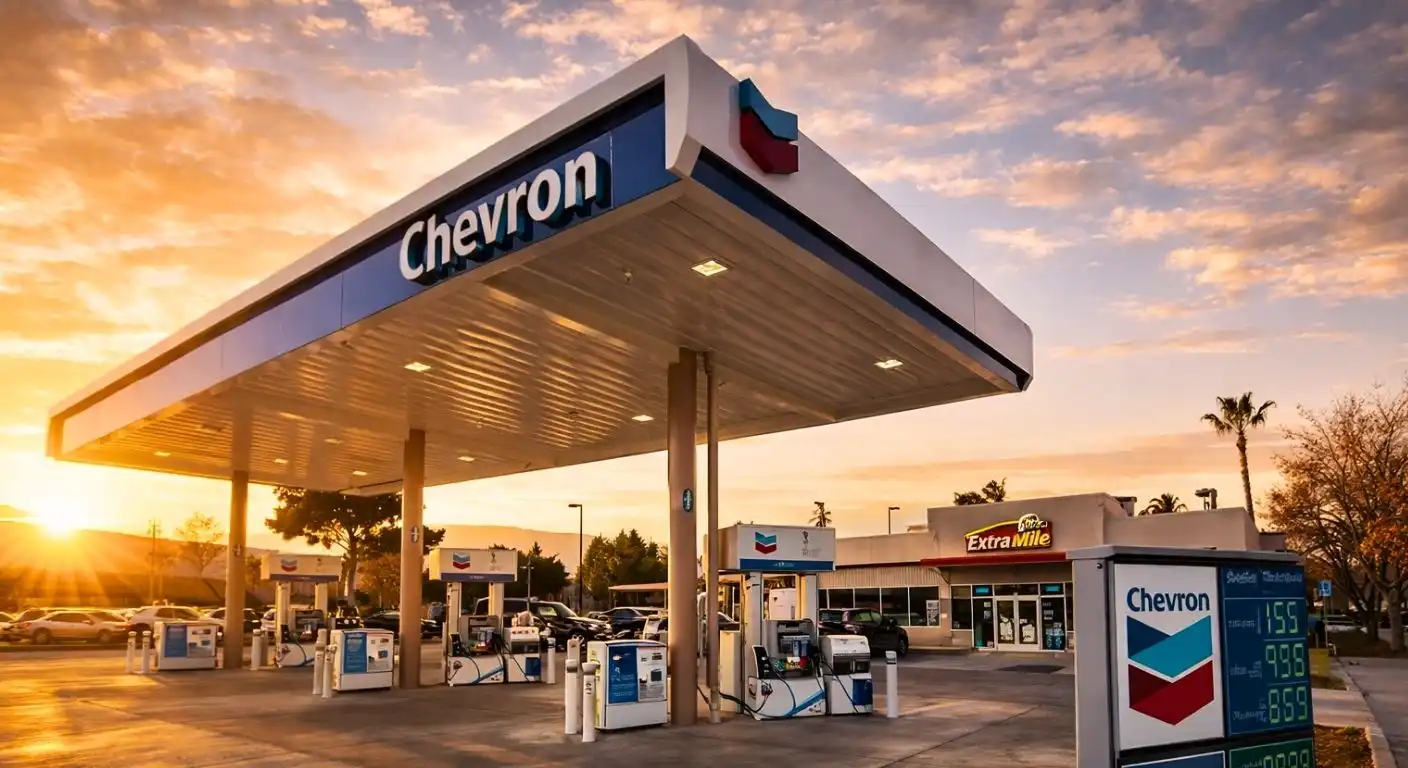
American energy giants ExxonMobil and Chevron, find themselves facing unexpected public scrutiny from the White House. Despite positioning himself as a strong supporter of the fossil fuel industry, President Donald Trump openly scolded both corporations for making excessive financial gains. This rare political rebuke follows the release of blockbuster second-quarter earnings reports that highlighted massive windfalls generated by soaring oil prices during the wartime energy crunch.
The financial figures underscore a dramatic boom for major producers. Chevron reported quarterly earnings of $12.1 billion, nearly five times its profit from the same period during the previous year. Meanwhile, ExxonMobil posted net income reaching $14.5 billion, more than double its year-ago results. Combined, the two leading petroleum corporations pulled in $26.5 billion in profit over a single three-month window.
Speaking to reporters at the White House, President Trump expressed direct frustration with these performance metrics. He stated clearly that the companies are making too much money off a national supply shortage. He emphasized that consumers deserve immediate financial relief at local fuel stations, calling on corporate leadership to cut retail gasoline prices and pass some of those massive gains back to the public.
The surge in corporate earnings ties directly into broader geopolitical supply disruptions. Ongoing military conflicts in the Middle East, including the virtual closure of vital shipping lanes like the Strait of Hormuz, severely restricted crude exports and refined fuel production. These supply constraints drove the national average retail price for regular gasoline above $4.10 per gallon, placing heavy financial strain on everyday drivers and households.
Political pressure continues to mount as voters grapple with high living costs. While energy executives defend their financial results by pointing to tight global refining capacity and high operating costs, the administration shows little patience for high fuel expenses. Federal regulators continue weighing potential actions, leaving the energy sector under intense public and political examination as the conflict persists.