Key Points:
- President Donald Trump criticized the Federal Reserve’s Board of Governors as being a little bit hostile to new Chairman Kevin Warsh.
- Trump declined to offer specific advice following a weak June jobs report, stating that Warsh has to do what he has to do on interest rates.
- The White House expressed high confidence that Warsh can convince his colleagues to lower borrowing costs to prevent stifling economic growth.
- Trump renewed his vow to remove Fed Governor Lisa Cook from the board, dismissing a recent Supreme Court setback as a temporary hurdle.
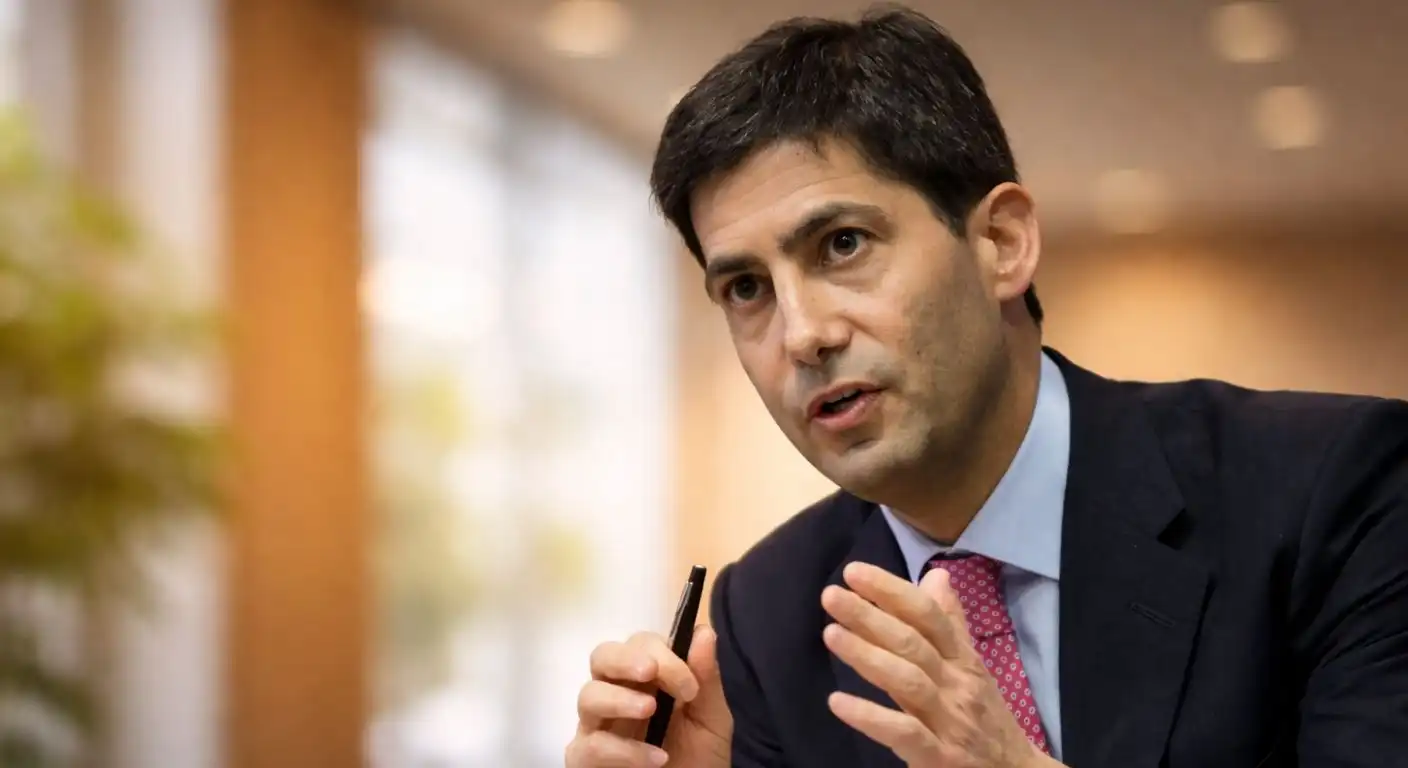
The ongoing power struggle between the White House and the nation’s central bank has taken a highly combative turn. In a major television interview on Thursday, President Donald Trump criticized the Federal Reserve’s Board of Governors as being a “little bit hostile” to newly appointed Chairman Kevin Warsh. While the president declined to offer specific interest rate advice following a disappointing June jobs report, he insisted that the new central bank chief must push forward with rate cuts to prevent stifling domestic economic growth. The candid remarks highlight the immense, persistent political pressure the administration is placing on the independent institution to lower borrowing costs.
The president’s criticism of the seven-member board of governors centers on their perceived reluctance to ease monetary policy. Trump declared that the new chairman faces an internal board that is a bit hostile and perhaps wants to do the wrong thing. This internal resistance is particularly challenging because the central bank has spent months battling persistent, energy-driven price pressures. Following the outbreak of the Middle East maritime conflict, domestic inflation rose to a three-year high of 4.2% in May, forcing central bank governors to prioritize price stability over economic expansion. While Trump has repeatedly urged the bank to cut rates, a majority of the board remains highly skittish about easing policy prematurely.
Despite his obvious desire for lower borrowing costs, Trump chose to adopt a hand-off posture when asked whether he would personally advise the new chairman on the next interest rate decision. Following the release of the June employment report—which showed a weak 57,000 nonfarm payroll additions, representing the lightest month of hiring in four months—the president stated simply that the new chair “has to do what he has to do.” The neutral phrasing marks a strategic pivot from Trump’s previous, highly aggressive public attacks on the central bank, suggesting the administration is trying to maintain a public veneer of respecting the institution’s independent mandate.
Supporting this strategic messaging, top White House economic adviser Kevin Hassett reiterated that the administration respects the statutory independence of the central bank. However, in a separate interview on the same network, Hassett expressed high confidence that Chairman Warsh will eventually succeed in convincing his more hawkish colleagues of the case for lower interest rates. Hassett and other administration officials argue that the weakening labor market and cooling inflationary pressures provide a highly credible, data-driven justification for the board to begin easing its restrictive monetary policy before the end of the third quarter.
This insistence on independence represents a fascinating political paradox for the administration. During a highly publicized swearing-in ceremony in the White House East Room on May 22, Trump told the 56-year-old Chairman to remain “totally independent” and simply “do your own thing,” urging him not to look at the president or anyone else when setting policy. Yet, in the very same speech, Trump made a not-so-subtle demand for lower interest rates, warning that the central bank must not let its inflation fight stifle national growth and greatness. This contradictory messaging proves that the administration expects the central bank to operate independently, as long as that independence leads to the lower borrowing costs the president desires.
The political friction extends far beyond interest rate rhetoric, manifesting as a direct, constitutional battle over the makeup of the board of governors. In the same interview, Trump renewed his vow to remove Federal Reserve Governor Lisa Cook from the central bank’s board. The declaration comes just days after the U.S. Supreme Court delivered a major constitutional defeat to the administration, ruling 5-4 that the president lacked the unilateral authority to fire Cook without cause and without statutory procedural protections. Dismissing the legal setback, Trump insisted that he will eventually succeed in removing her by “winning the case” on its factual merits in the lower courts, where he faces an active lawsuit over unproven mortgage fraud allegations against Cook.
The administration’s relentless focus on removing Cook and securing greater control over the board of governors is a key part of its broader economic strategy. Currently, the seven-member board is highly divided, with several governors appointed by previous administrations favoring a highly conservative, hawkish approach to inflation. By systematically removing dissenting voices and filling the vacant seats with loyalists, the White House hopes to secure a highly supportive majority on the Federal Open Market Committee. This internal restructuring would give Chairman Warsh a completely free hand to steer monetary policy, cut interest rates, and dismantle the complex bank regulatory frameworks established under previous administrations.
The escalating political tension arrives as the financial markets react to a highly complex mix of economic indicators. While the Dow Jones Industrial Average closed at a fresh record high on Thursday, the S&P 500 ended flat, and the technology-heavy Nasdaq closed lower as investors digested the weak employment figures. Despite the manufacturing and consumer slowdown, Trump expressed immense optimism about the country’s economic potential. He reiterated his belief that under the right policy conditions—including lower interest rates and aggressive deregulation—U.S. economic growth could eventually exceed 4%, suggesting it could even reach a dizzying 12% or 13% over the coming years.
Ultimately, the president’s characterization of the Federal Reserve board as “hostile” highlights the deep, systemic friction of managing monetary policy under intense political scrutiny. While the administration continues to publicly endorse the principle of central bank independence, its actions and rhetoric prove that it views the institution as an active instrument of its broader economic agenda. As Chairman Warsh prepares for the upcoming rate-setting meetings in the coming months, he faces the monumental challenge of defending the bank’s credibility while navigating pressure from both a highly demanding president and a divided, skittish board. The battle for the future of the American economy is no longer just about interest rate calculations, but about the very survival of the division of powers.