Key Points:
- German Economy Minister Katherina Reiche confirmed Turkey accepts the EU’s stance that future transit gas must not originate from Russia.
- The EU is phasing out Russian pipeline and LNG imports completely, posing challenges for Turkey’s ambitions to become a European gas hub.
- Turkey is the second-largest buyer of Russian gas and is currently negotiating post-2026 supply contracts with Moscow’s Gazprom.
- Alongside gas negotiations, Germany and Turkey are expanding energy cooperation, with Turkey targeting €80 billion in renewable investments by 2035.
Ankara has officially accepted the European Union’s strict regulatory stance that any future natural gas imported into the bloc via Turkish infrastructure must not originate from Russia. German Economy and Energy Minister Katherina Reiche announced the geopolitical breakthrough during a two-day diplomatic visit to Ankara, following high-level bilateral talks. The agreement represents a major step forward for Europe’s energy independence, turning the REPowerEU roadmap into binding law. The decision has ignited an intense debate over Turkey’s dual ambitions to secure its own domestic energy supplies while establishing itself as a dominant regional gas hub.
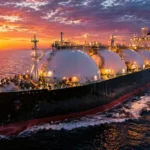
Turkey currently occupies a highly complex and strategically vital position in the global energy landscape, serving as a critical geographic bridge between the resource-rich Middle East, the Caucasus, and energy-hungry European markets. The country is the second-largest buyer of Russian natural gas globally, relying heavily on Moscow’s Gazprom to heat its homes and power its heavy industries. With several of its long-term Russian supply contracts nearing expiration, Ankara has been actively negotiating new post-2026 pipeline deals with Moscow, while simultaneously seeking to export its surplus liquefied natural gas (LNG) and piped gas westward to European buyers.
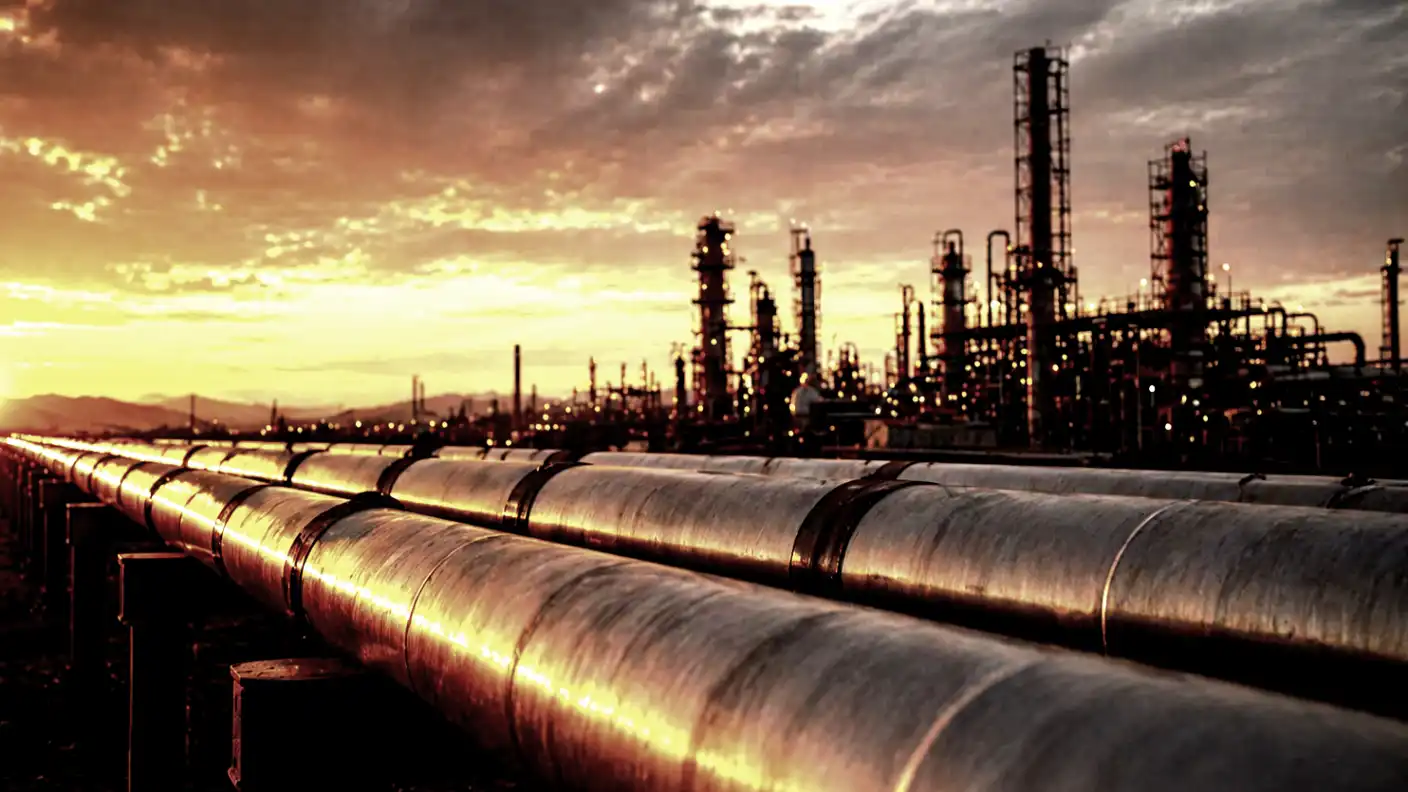
The primary obstacle preventing Turkey from transiting gas to Europe has been a long-standing dispute over transparency and certificate-of-origin tracking. Historically, Ankara has refused to provide detailed certificates of origin for the gas flowing through its western pipelines, such as the TurkStream and Trans-Anatolian Natural Gas Pipeline. Because of this lack of tracking, European regulators warned that it was impossible to guarantee that transit gas arriving from Turkey did not secretly originate from Russia. This operational loophole raised alarms in Brussels that Moscow was using Turkey as a back-door channel to bypass Western sanctions and continue funding its military actions.
During her political talks with Turkish Energy and Natural Resources Minister Alparslan Bayraktar, Reiche made it clear that Brussels will maintain an uncompromising, zero-tolerance policy regarding Russian gas in any future contracts involving Turkey. She confirmed that Turkish officials now fully accept and understand this regulatory reality. While Ankara is eager to expand its Western exports, it recognizes that any gas flowing into the EU must be strictly certified as non-Russian. However, Turkish officials also made it clear during the talks that replacing its massive volume of Russian gas cannot happen overnight, citing severe regional resource limitations and immediate economic costs.
The European Union’s insistence on strictly non-Russian gas is backed by binding continental law. Under the REPowerEU regulations formally adopted by member states earlier this year, the bloc has established a gradual but permanent phase-out of all Russian pipeline and liquefied natural gas imports, aiming for a complete exit by 2027. The newly implemented rules require EU energy firms to secure prior administrative authorization before importing gas from third-party transit countries, specifically to track and block the entry of Russian-sourced fuel. This strict regulatory framework effectively forces Turkey to implement verifiable tracking systems if it wishes to participate in the European market.
Despite the complex negotiations over gas tracking, German officials emphasized their desire to expand and strengthen economic ties with Turkey. Reiche noted that Germany needs Turkey as a reliable trading partner, not only to secure stable supply chains but also to help achieve shared geopolitical goals, including navigating the fallout of the war in Ukraine and regional tensions in the Middle East. Bilateral trade between the two nations is currently highly balanced, with Turkey operating as the EU’s fifth-largest trading partner. German conglomerates have already made extensive investments in Turkey’s industrial sectors, and Turkish firms have similarly expanded their footprint in Europe.
While the gas transit debate remains complex, the outlook for bilateral cooperation is significantly brighter in the renewable energy sector. Turkey has announced an ambitious national energy transition plan, targeting €80 billion in investments for renewable power generation, grid digitization, and energy storage systems by 2035. To capture a slice of this massive investment wave, Reiche traveled with a high-profile German business delegation, which included executives from wind turbine manufacturers Enercon and Nordex, alongside engineering giant Siemens Energy. German firms are highly eager to win contracts to build Turkey’s future green energy infrastructure.
The manufacturing relationship is already highly integrated, with Turkey serving as a key industrial supply hub for German wind developers. For instance, wind turbine manufacturer Nordex currently operates extensive manufacturing facilities in Turkey, producing high-tech components, rotor blades, and generator parts for both the local Turkish market and export to broader European and international projects. Nordex executives emphasized that the country’s skilled workforce, robust manufacturing capabilities, and proximity to European markets make it an ideal base to build out green supply chains, allowing Western firms to lower production costs while remaining competitive.
As European nations continue to execute their transition away from Russian fossil fuels, the successful implementation of non-Russian tracking systems in Turkey will heavily dictate the continent’s long-term energy security. If Ankara can successfully deploy verifiable certificate-of-origin tracking and expand its import capacity for Caspian and Middle Eastern gas, it can successfully establish itself as a trusted, diversified energy corridor for Europe. For now, the successful conclusion of the Ankara talks is a positive signal. It proves that despite complex geopolitical alignments, economic reality is forcing regional partners to work together to secure the energy grids of tomorrow.