Key Points:
- International benchmark Brent crude oil surged to $95.01 per barrel following renewed United States military strikes against Iranian targets.
- United States West Texas Intermediate crude climbed 4.5% to trade above $90 per barrel as supply risks rattled energy markets.
- Military action in the Strait of Hormuz—which channels roughly 20% of global oil supply—slowed commercial tanker traffic to fewer than five ships per day.
- Rising crude benchmarks threaten to push United States retail gasoline prices well above the current national average of $4.08 per gallon.
Global energy benchmarks surged as the United States launched a new wave of military strikes against Iranian military targets near the Strait of Hormuz. International benchmark Brent crude futures jumped past $93 to reach an intraday high of $95.01 per barrel, marking the highest price level in several weeks. United States West Texas Intermediate (WTI) crude climbed 4.5% to cross $90 per barrel as energy traders aggressively priced in the risk of prolonged shipping interruptions through the world’s most critical maritime oil corridor.
United States Central Command confirmed that American forces executed precision strikes against Islamic Revolutionary Guard Corps radar installations, missile batteries, and coastal launch platforms. Defense officials stated that the operation aimed to degrade Iran’s capability to target commercial tankers and prevent the deployment of naval mines along international shipping routes. The strikes followed recent attacks on two commercial oil supertankers carrying crude through the southern passage of the waterway.
The military action marks the second major escalation within a five-day window, locking Washington and Tehran into a dangerous cycle of direct confrontation. Prior to the latest bombardment, American forces struck rocket launch systems on Iran’s Larak Island, prompting Iranian forces to launch retaliatory ballistic missiles and drones at regional military facilities in Jordan. President Donald Trump warned that the United States will intensify military strikes if Iranian forces continue to disrupt maritime navigation.
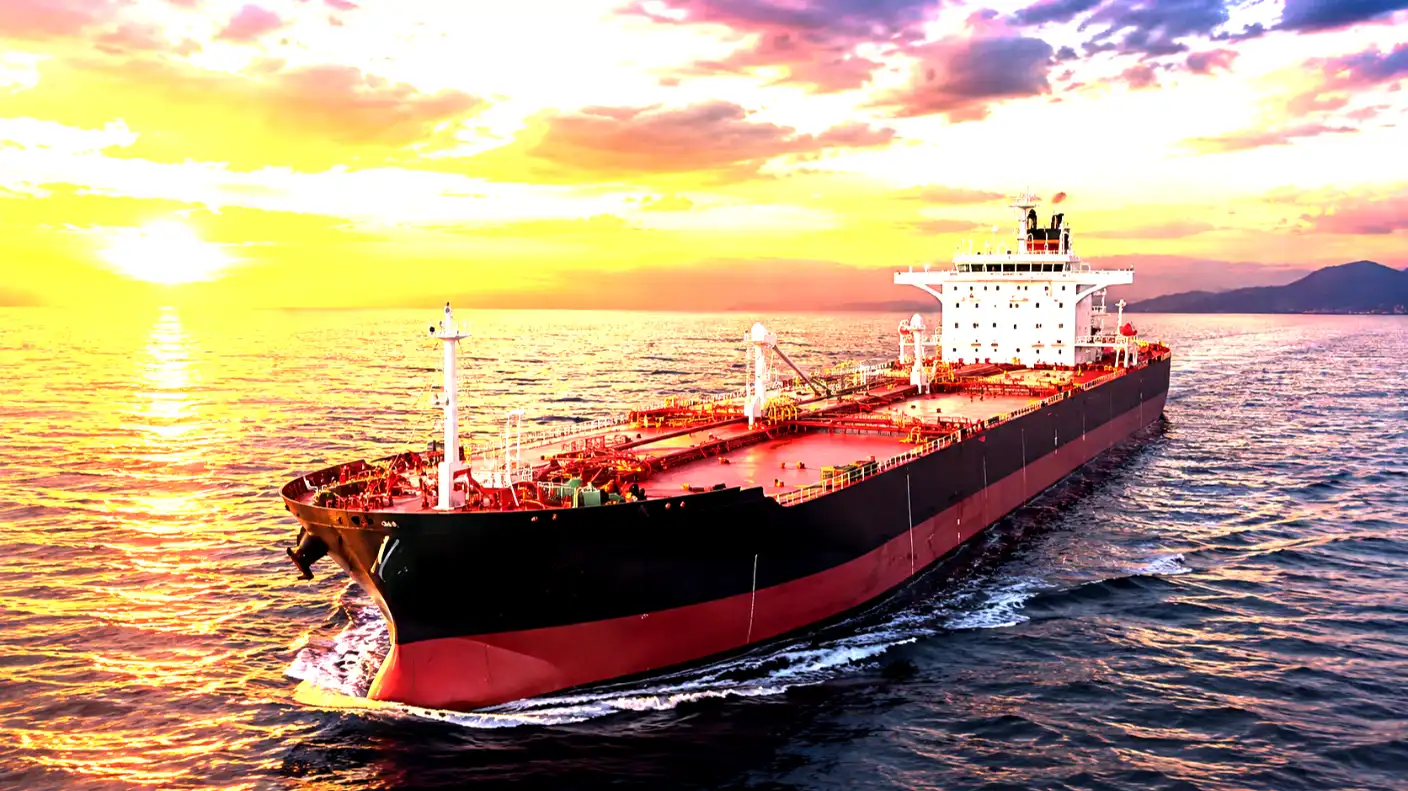
Commercial shipping through the Strait of Hormuz has slowed dramatically as international tanker operators suspend transit schedules. The strategic waterway normally handles approximately 20% of global petroleum consumption, channeling nearly 20 million barrels of crude oil and refined fuels daily from major Persian Gulf exporters. However, vessel traffic dropped to fewer than five commercial ships per day following the weekend missile exchanges, forcing energy conglomerates to reroute tankers around the southern tip of Africa at immense financial cost.
Energy markets reacted immediately to the shrinking supply buffer. Energy-focused exchange-traded funds registered sharp gains, with the United States Oil Fund rising 5.27% and the United States Brent Oil Fund advancing 5.11% in heavy trading volume. In contrast, broader equity markets fell as investors rotated capital away from risk assets and cyclical stocks into cash, gold, and energy futures to hedge against rising geopolitical instability.
The surge in crude prices threatens to unleash a fresh wave of consumer inflation across major global economies. In the United States, retail gasoline prices already average $4.08 per gallon, up substantially from $3.21 per gallon a year ago. A sustained crude rally above $90 per barrel will quickly translate into higher diesel, jet fuel, and transportation logistics costs, complicating efforts by central banks to achieve price stability.
Tighter crude supplies come at a particularly vulnerable moment for global energy inventories. Commercial oil stockpiles across developed economies remain below their five-year seasonal averages, while the United States Strategic Petroleum Reserve sits near a 44-year low. Although the White House announced preliminary arrangements to import crude from Venezuela to replenish emergency government caverns, energy analysts emphasize that secondary supply agreements cannot instantly replace millions of barrels of daily Middle Eastern crude flows.
Maritime insurance markets are compounding the logistical gridlock across the Persian Gulf. International marine underwriters have canceled standard war-risk coverage or raised additional war-risk premiums for vessels entering the Strait of Hormuz by more than 300%. For a standard supertanker transporting 2 million barrels of crude, the additional insurance surcharge adds hundreds of thousands of dollars per voyage, making spot cargo shipments financially prohibitive for independent trading houses.
Energy market strategists warn that Brent crude could easily breach the $100 per barrel psychological barrier if the military conflict damages vital production infrastructure. While previous price spikes dissipated when attacks remained limited to isolated military installations, any direct strike on primary export terminals—such as Kharg Island, which handles over 90% of Iran’s seaborne crude exports—would remove over 1.5 million barrels per day of physical supply from international markets.
As military forces remain on high alert throughout the region and diplomatic mediation efforts in Islamabad remain deadlocked, global commodity markets are bracing for extended turbulence. Until maritime security forces establish safe navigation corridors through the Strait of Hormuz, crude oil prices will remain volatile, keeping upward pressure on consumer fuel costs, transportation networks, and global financial markets.