Key Points:
- Waymo launched commercial driverless ride-hailing services in Denver, San Diego, and Tampa, expanding its active footprint to 15 United States metropolitan areas.
- The company operates a national fleet of more than 3,000 fully autonomous vehicles, delivering over 450,000 paid passenger trips per week.
- The Denver rollout demonstrates the capability of Waymo’s sixth-generation sensor suite to handle cold weather, snow, and mountainous terrain.
- Alphabet supports the rapid multi-city expansion with a multi-year $5 billion funding commitment.
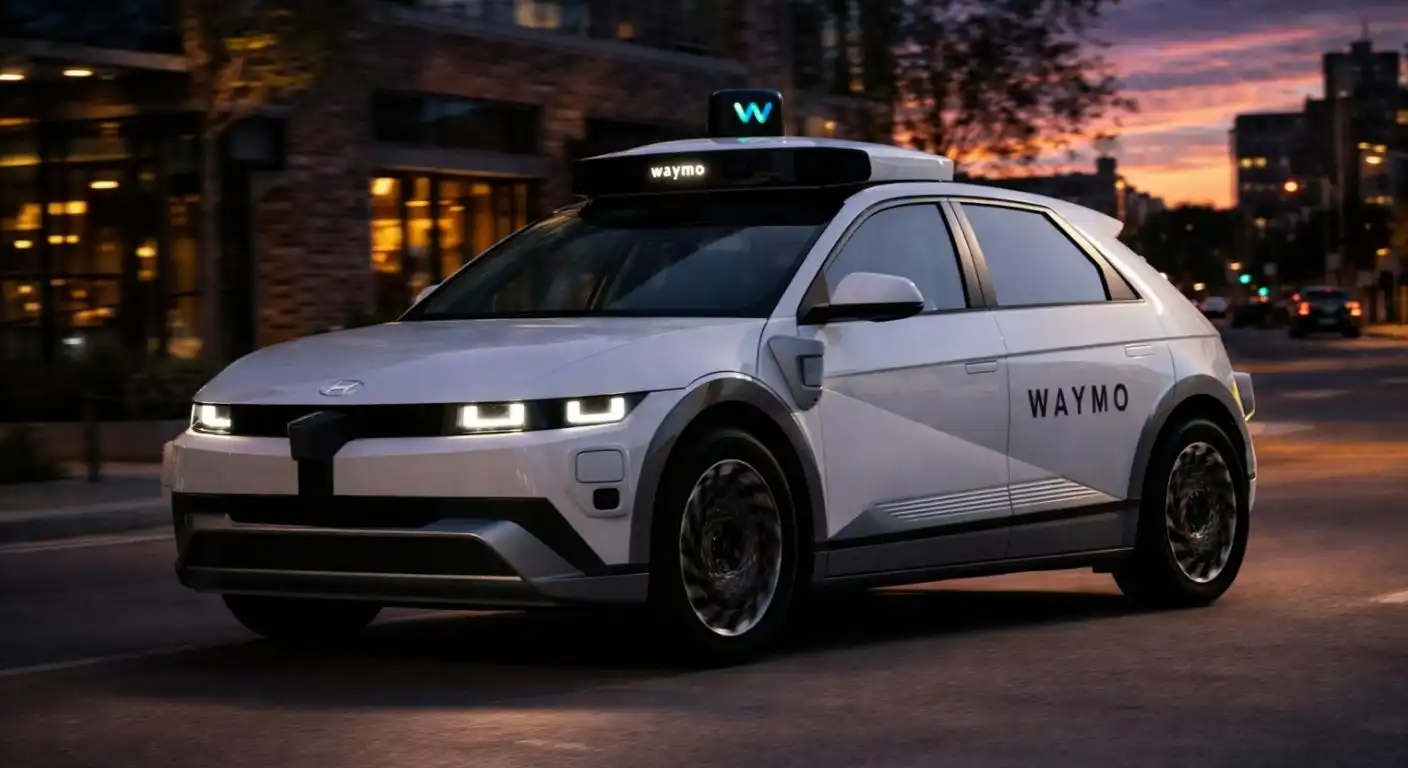
Waymo announced a major geographic expansion of its commercial autonomous ride-hailing service, launching paid driverless rides in Denver, San Diego, and Tampa. The move increases the Alphabet-owned company’s active commercial markets to 15 major metropolitan areas across the United States. By bringing driverless passenger services to diverse regional climates and urban layouts, Waymo is cementing its dominant lead in the rapidly accelerating autonomous mobility sector.
The rollout in Denver represents an important milestone for Waymo’s autonomous vehicle software in cold-weather and mountainous conditions. Navigating snowy roads, freezing temperatures, and steep elevation changes previously challenged camera and optical sensor systems. Waymo spent months testing its sixth-generation sensor suite—which combines all-weather radar, high-resolution lidar, and thermal imaging cameras—to ensure safe operation through Rocky Mountain winter conditions without human safety drivers.
In San Diego and Tampa, the autonomous vehicles will serve dense coastal corridors, tourist districts, and university campuses. Tampa exposes the electric vehicle fleet to intense subtropical thunderstorms, heavy humidity, and standing water, while San Diego provides high-density urban traffic and intricate highway interchanges. Riders in all three cities can hail driverless rides directly through the Waymo One mobile application 24 hours a day, 7 days a week.
Waymo’s operational scale has grown exponentially over the past two years. The company currently completes more than 450,000 paid passenger trips every week across its national service areas, up from 200,000 weekly rides earlier this year and just 50,000 weekly trips in early 2024. Waymo aims to cross 1 million paid trips per week as new regional fleets come online, transforming autonomous transportation from an experimental novelty into an everyday transit option.
The expansion relies on a growing commercial fleet of more than 3,000 fully driverless electric vehicles. Alongside its customized Jaguar I-PACE SUVs, Waymo is rapidly deploying custom-built Zeekr electric minivans designed specifically for driverless ride-hailing. The Zeekr platform lowers vehicle manufacturing costs, improves passenger accessibility with low entry steps and sliding doors, and integrates computing hardware directly into the vehicle’s structural chassis.
Parent company Alphabet backed Waymo’s aggressive expansion with a multi-year $5 billion funding commitment. This heavy financial backing allows Waymo to build regional maintenance depots, install high-voltage electric charging infrastructure, and scale customer support operations without the immediate need for external capital. While rival autonomous vehicle programs struggled with funding constraints, Alphabet’s investment fortified Waymo’s balance sheet for rapid geographic scaling.
Strategic distribution partnerships have also accelerated Waymo’s commercial adoption. In several key markets, including Austin and Atlanta, Waymo integrated its driverless vehicles into the Uber platform alongside its standalone app. This hybrid model allows Uber users to match with a driverless Waymo when booking standard rides, maximizing fleet utilization rates and lowering customer acquisition costs across new service territories.
Safety statistics continue to play a central role in winning regulatory approvals from city councils and state transportation departments. Real-world crash data gathered over tens of millions of commercial driverless miles shows that Waymo vehicles experience 85% fewer injury-causing collisions compared to human-driven vehicles. These verified safety benchmarks helped local transportation officials in Colorado, California, and Florida approve commercial operations without facing the intense public pushback that previously stalled rival autonomous projects.
The tri-city launch widens the competitive gap between Waymo and other autonomous vehicle developers. While General Motors’ Cruise division is gradually rebuilding its fleet and Amazon’s Zoox conducts pilot tests in Las Vegas and San Francisco, Waymo remains the only operator running commercial, fee-charging robotaxi services at high volume across multiple states. Tesla continues developing its vision-only Cybercab platform, but Waymo’s multi-sensor approach already generates real commercial revenue on public roads today.
As Waymo activates commercial fleets in Denver, San Diego, and Tampa, the company is preparing additional market entries for the coming year. Engineers are refining highway driving capabilities to connect downtown urban centers with international airports and suburban office corridors. With its operational footprint widening and passenger ride volumes breaking records every quarter, Waymo is establishing the standard blueprint for the commercial future of autonomous transportation.