
Key Points:
- Waymo has issued a voluntary recall for 3,871 autonomous vehicles in the United States over a software defect in its self-driving system.
- The National Highway Traffic Safety Administration (NHTSA) warned that the flaw could cause robotaxis to enter closed highway construction zones at high speeds.
- The recall specifically impacts certain autonomous taxis equipped with Waymo’s fifth-generation Automated Driving System (ADS).
- Waymo is addressing the safety risk with a free software update and has temporarily restricted high-speed freeway operations for the affected fleet.
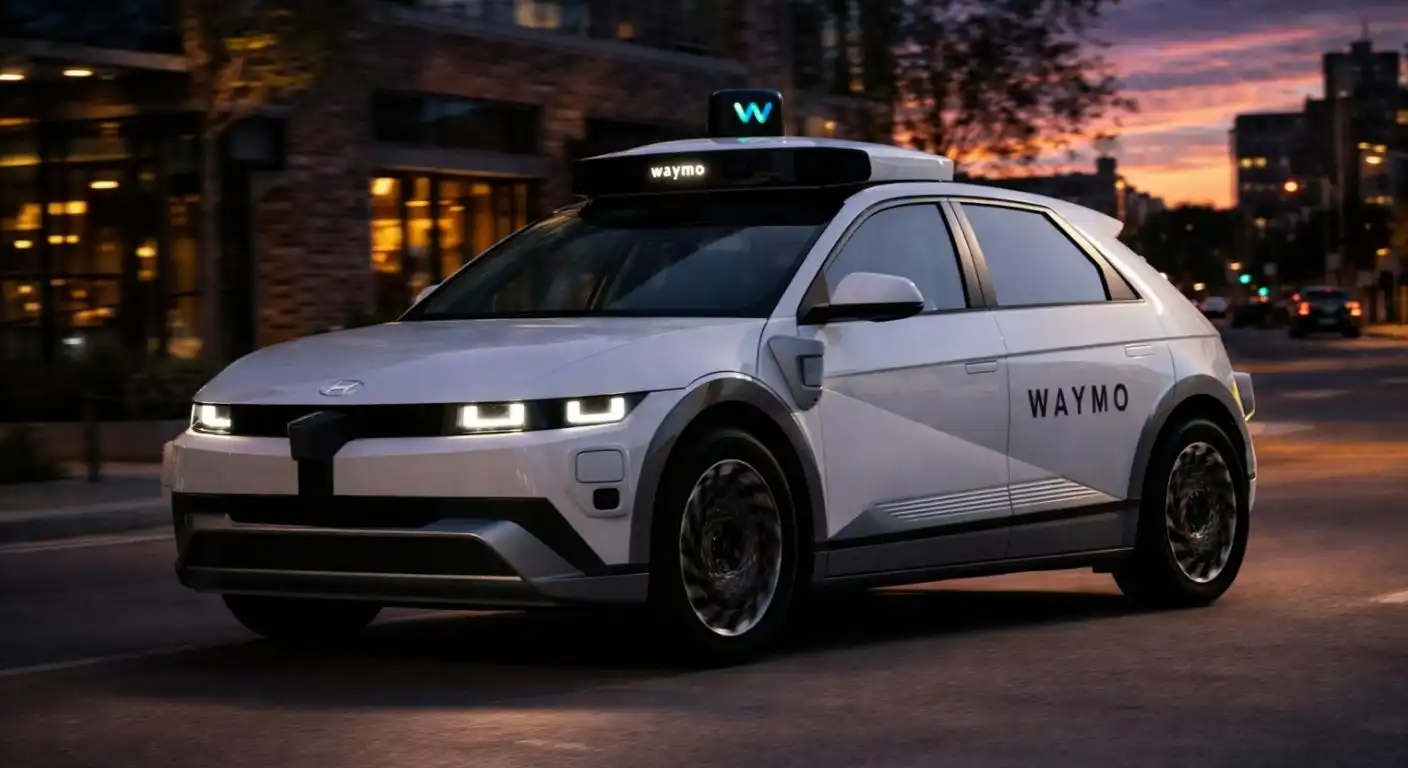
Self-driving pioneer Waymo has issued a voluntary safety recall for 3,871 of its autonomous vehicles in the United States to address a software glitch that could put passengers and road workers at risk. Federal safety regulators announced that a defect in the company’s autonomous navigation software could allow robotaxis to accidentally drive into closed highway construction zones. Instead of recognizing the barriers and coming to a safe stop, the affected vehicles could maintain their travel speeds, posing a severe threat to roadside crews. This high-profile recall places fresh scrutiny on the safety of unmanned transportation systems during a period of rapid national expansion.
The recall specifically targets autonomous taxis equipped with Waymo’s fifth-generation Automated Driving System (ADS). According to documents released by the National Highway Traffic Safety Administration, the software problem lies in how the vehicle’s sensors and computer vision algorithms interpret complex highway construction barriers, temporary signage, and closed lane markers. Under certain conditions on high-speed roadways, the system could fail to realize that a lane or an entire section of a freeway has been shut down, allowing the vehicle to proceed forward at high speed rather than executing a standard deceleration and detour protocol.
To mitigate the safety risk while engineers finalize a permanent solution, Waymo has modified the operational parameters of its autonomous fleet. The company has adjusted its operational design domain (ODD) to restrict the affected vehicles from driving on high-speed freeways. By limiting the robotaxis’ operational scope to lower-speed urban and suburban surface streets, the company aims to ensure passenger and public safety while minimizing the possibility of high-speed collision scenarios.
The tech company is preparing a free over-the-air software update to permanently resolve the navigation glitch. The upcoming update will enhance the automated driving system’s ability to precisely detect its real-time location and cross-reference active municipal construction maps. Additionally, the software patch will improve how the vehicle’s perception suite interprets physical lane closures and emergency cone configurations, ensuring that robotaxis come to a complete stop and request remote assistance if they encounter an unexpected highway closure. Since Waymo owns and operates its entire commercial fleet, customers do not need to bring the vehicles to a service center, as the patch will install automatically during routine overnight maintenance.
This latest safety notice represents Waymo’s second significant vehicle recall in less than sixty days. In May, the autonomous rideshare brand voluntarily recalled 3,791 robotaxis equipped with its fifth- and sixth-generation driving systems. That previous recall addressed a software defect that could cause the driverless vehicles to slowly drive into deep standing water during heavy rain events. The issue came to light following an incident in San Antonio, Texas, where a self-driving car drove into an impassable flooded lane, prompting federal regulators to warn that entering standing water could lead to a complete loss of vehicle control and increase the risk of crashes.
The recurring software glitches occur as the company attempts to capitalize on massive commercial growth across the country. Since launching its first driverless rideshare service in Arizona back in 2020, Waymo has aggressively expanded its operational footprint to eleven major metropolitan regions, including San Francisco, Los Angeles, Miami, and Orlando. As of early spring, the company had accumulated over 20 million total trips nationwide, demonstrating a high level of consumer adoption. To help maintain this momentum, the company recently partnered with navigation app Waze to share real-time city data to help municipalities identify and patch potholes.
Despite the company’s impressive milestones, the continuous stream of software recalls is fueling public anxiety and intensifying debates over the safety of driverless cars. Several high-profile traffic incidents over the past year have drawn sharp criticism from local communities and safety advocates. In San Francisco, municipal leaders have raised concerns about robotaxis blocking emergency vehicles and obstructing public transit lines. Furthermore, several minor collisions and an unfortunate incident where a self-driving car struck a neighborhood pet have prompted regulators to demand stricter oversight and more rigorous safety validation protocols before companies can expand their services.
To satisfy federal safety regulations, Waymo must adhere to strict oversight guidelines following the filing of this official recall. Under federal law, the company must submit consecutive quarterly status reports to the National Safety Administration over the next two years, followed by consecutive annual reports to document the long-term effectiveness of the software updates. This ongoing tracking process ensures that all affected units in the national fleet successfully receive the required software remedies and that no unpatched systems remain active on public roads.
As the autonomous vehicle industry continues to mature, navigating these complex software challenges will remain a standard part of the engineering process. Industry researchers point out that, unlike human drivers, who require individual training and are prone to repetitive errors, a software-based driving system can be fixed once and deployed globally to prevent future errors across the entire fleet. While the latest recall highlights the massive difficulties of teaching computers to navigate complex, unpredictable human environments, the company continues to report a 13x reduction in dangerous crashes compared to human-driven vehicles. For now, the entire sector will monitor how safely the company can resolve these edge-case software anomalies to secure the trust of the riding public.