Key Points:
- Waymo and Uber have officially ended their three-year robotaxi partnership in Phoenix, making Waymo vehicles exclusive to the Waymo One app.
- Uber is preparing to launch a separate, unannounced autonomous vehicle partnership in Phoenix to replace the lost Waymo integration.
- Despite parting ways in Phoenix, the two companies continue to cooperate in Austin and Atlanta while preparing for a direct head-to-head clash in London.
- The quiet split reflects a broader strategic shift from pilot-phase collaboration to intense, global commercial competition between the two tech giants.
The relationship between the world’s most prominent autonomous vehicle developer and its largest rideshare network has taken a highly competitive turn. Waymo and Uber have officially ended their high-profile robotaxi partnership in Phoenix, Arizona, wrapping up nearly three years of local pilot operations. Both companies confirmed on Monday that Waymo’s driverless vehicles are no longer available to order through the Uber app in the Phoenix metropolitan area. This quiet split represents a major strategic shift in the smart mobility sector, proving that the initial era of tentative, experimental collaboration has given way to an aggressive, head-to-head battle for global market dominance.
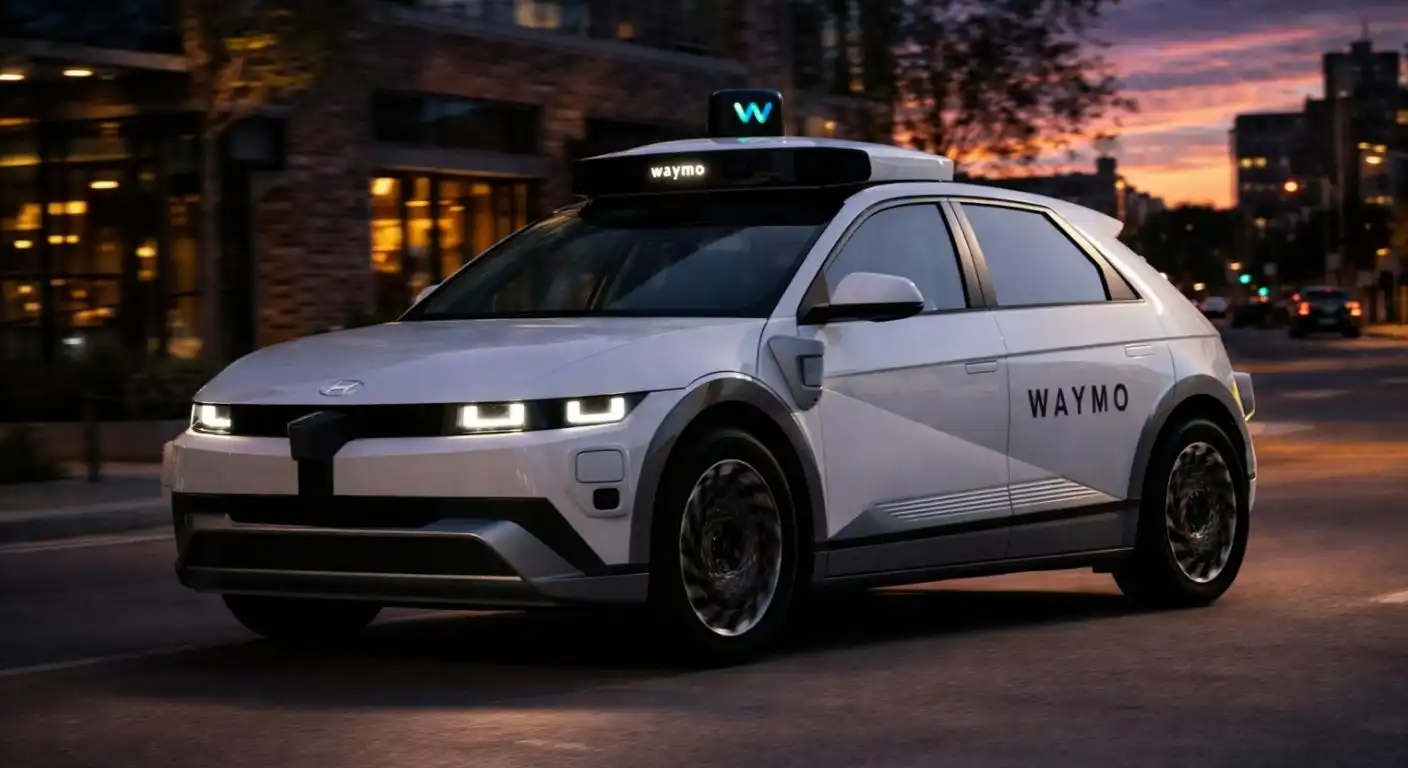
Local users recently spotted the formal end of the Phoenix integration when they noticed that the option to request an autonomous ride had completely vanished from their Uber applications. Under the terms of the original agreement announced in May 2023, Phoenix-area Uber riders had the option to be matched with a fully driverless, all-electric Jaguar I-PACE vehicle. Waymo confirmed that all of its vehicles previously operating on the Uber network have been folded back into its own proprietary “Waymo One” fleet. This means that users in the Phoenix area can now only hail a Waymo robotaxi through the developer’s standalone application.
The decision to terminate the Phoenix pilot stems from a mutual realization that maintaining an overlapping retail presence in a single city was no longer strategically viable. Phoenix served as the only market globally where Waymo operated both through its own consumer app and through Uber’s competitive rideshare network. This unusual arrangement meant that the two companies were essentially competing against each other for the exact same riders on the same streets. With Waymo’s standalone “Waymo One” brand having established immense local trust and consumer name recognition over the past three years, the Alphabet-owned unit decided it no longer needed to share its fare revenues with an intermediary marketplace.
Despite losing access to Waymo’s fleet in Phoenix, Uber is making it clear that it is not slowing down its autonomous vehicle ambitions. The company confirmed that it is actively preparing the launch of a separate, brand-new autonomous vehicle partnership in Phoenix to replace the departed service. While the rideshare giant has not yet publicly disclosed the identity of this new partner, the company indicated that it will announce the details in the coming weeks. This rapid transition proves that Uber is determined to maintain a diverse selection of driverless choices on its platform, ensuring it does not cede the critical Phoenix market entirely to Waymo.
Although the companies have called it quits in Phoenix, their broader corporate relationship remains highly complex. The two companies confirmed that they will continue to cooperate on limited, market-specific integrations in other regions, including Austin, Texas, and Atlanta, Georgia. Because Waymo does not yet possess the same level of independent brand dominance in these newer markets, partnering with Uber provides a highly efficient way to build consumer trust, optimize fleet utilization rates, and gather localized traffic data. The partners are treating these alternative cities as isolated, lower-stakes experiments as they carefully evaluate their long-term competitive boundaries.
This quiet breakup signals a broader, permanent shift from quiet collaboration to intense international competition. In fact, both companies are rapidly heading toward a direct, highly public confrontation in London, where they plan to launch rival autonomous services. Waymo is actively preparing to deploy its own independent ride-hailing network in the British capital, while Uber has partnered with the heavily funded British AI startup Wayve to integrate that company’s hardware-agnostic driving software into Stellantis-manufactured vehicles. This looming European clash proves that the boundaries between software providers, carmakers, and rideshare networks are permanently dissolving.
Waymo’s decision to pull away from Uber’s dominant platform is a massive signal of confidence in its own independent brand value and scaling capabilities. The company is currently experiencing explosive growth, running over 500,000 autonomous rides per week with a fleet of 4,000 vehicles across 11 major U.S. metropolitan areas, with plans to launch in another 20 new cities this year. By proving that it can generate sufficient consumer demand entirely through its own “Waymo One” application, the self-driving pioneer is demonstrating that it has the power to bypass traditional rideshare networks and retain 100% of its high-margin consumer revenues.
To support this massive independent scaling, Waymo is rapidly deploying its next-generation robotaxi vehicle, the Zeekr-built “Ojai”. This purpose-built electric van, manufactured by Chinese automotive giant Geely, is designed specifically for high-volume commercial rides, featuring self-warming sensors and miniature windshield wipers to clear dirt and snow from its camera arrays. Crucially, the Ojai van costs roughly $75,000 less per unit to produce than the luxurious, custom-sensor-heavy Jaguar I-PACE SUVs it replaces. By dramatically lowering its hardware costs, the company can deploy larger fleets much faster, making its standalone ride-hailing network highly competitive against human-driven alternatives.
Ultimately, the changing relationship between Waymo and Uber is a natural evolution of a rivalry that has never been simple. The two companies famously settled a high-profile, multi-million-dollar trade secrets lawsuit in 2018 for approximately $244 million in Uber stock, resolving allegations that an engineer had stolen autonomous blueprints before joining Uber’s self-driving division. While they managed to put their courtroom battles behind them to collaborate on early-stage pilots, their ultimate goals remain fundamentally incompatible. As the commercial viability of driverless transportation becomes a proven reality, the companies that control the software and those that control the passengers are realizing they must eventually fight for the entire market.