Key Points:
- Live facial recognition cameras scan the faces of thousands of ordinary citizens daily against secretive watchlists.
- The Metropolitan Police says the technology has helped officers arrest 2,500 wanted suspects since early 2024.
- London’s High Court ruled last month that the mass surveillance policy complies with human rights law.
- Opponents and misidentified citizens call the technology “stop and search on steroids” and pledge to appeal.
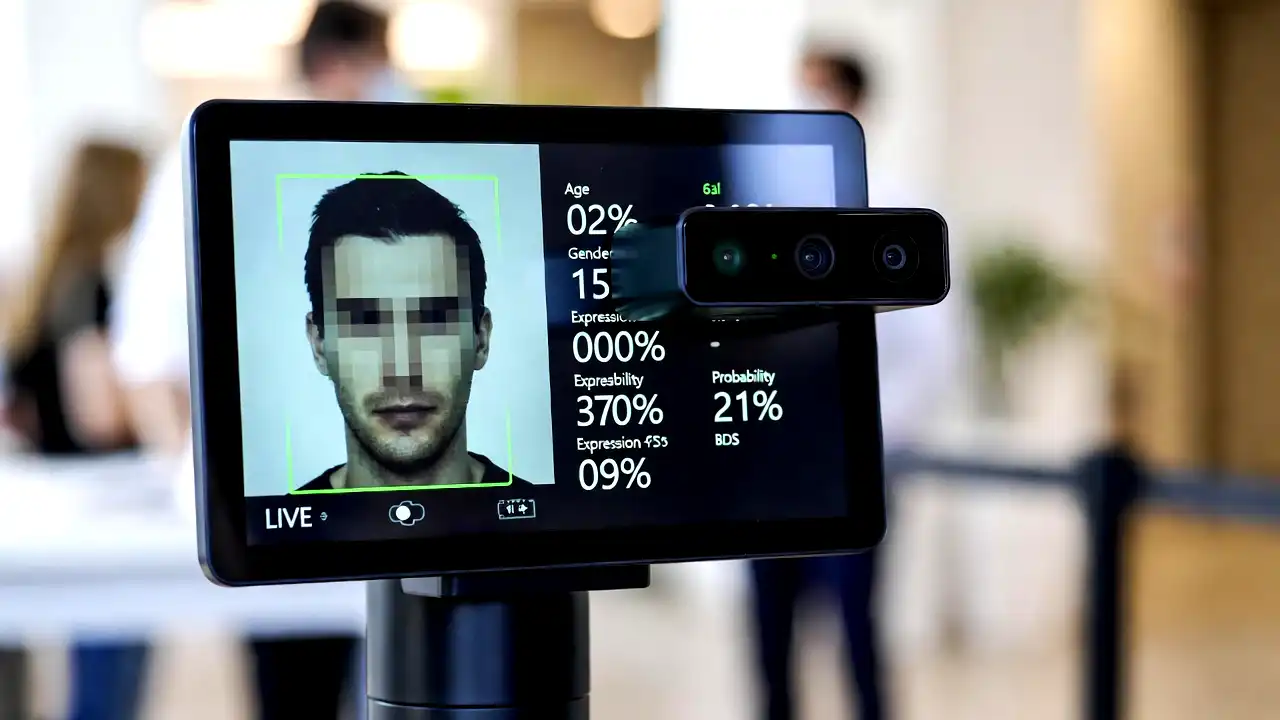
London’s busy streets have turned into a massive testing ground for real-time digital identity checks. On any given weekday, live facial recognition cameras scan the faces of tourists, shoppers, and office workers. The Metropolitan Police proudly champions this technology as a revolutionary tool for modern law enforcement. Officers argue that the cameras have helped them arrest approximately 2,500 wanted criminals since the beginning of 2024, including suspects accused of violent and sexual offenses.
However, this high-tech surveillance has triggered a massive backlash from civil liberties groups. Critics argue that live facial recognition completely undermines the presumption of innocence, a core pillar of British law. They point out that the cameras treat every single passerby as a potential suspect. Despite these warnings, a landmark legal challenge brought by human rights advocates and a wrongly identified community worker failed last month, clearing the way for the police to expand their use of the technology aggressively.
The physical reality of these digital checks is highly visible in places like Victoria in central London. On a recent Monday, police parked a high-tech surveillance van and set up temporary cameras, alongside small signs warning pedestrians that live facial recognition was active. Within just one hour, the software flagged a potential match, alerting an officer inside the control van. Local officers quickly approached and questioned the flagged man before letting him go, later clarifying that the alert related to court-imposed restrictions rather than an active arrest warrant.
The Metropolitan Police is rapidly scaling up its operations across the capital. In July 2025, the Met announced it would double its number of weekly live facial recognition deployments. Soon after, in August, the British government announced a new fleet of 10 specialized facial recognition vans to expand the network nationwide. The government has since rolled out the technology to other major cities, including Manchester and Bedford.
The police secured a massive legal victory last month when the High Court in London ruled that the Met’s live facial recognition policy is entirely lawful and complies with human rights regulations. Metropolitan Police Commissioner Sir Mark Rowley hailed the judgment as a significant breakthrough for public safety. He stated that the technology has successfully removed dangerous offenders from London’s streets. Rowley also pointed out that the public is firmly on their side, with polls showing that roughly 80% of Londoners support the use of facial recognition cameras.
The police defend the accuracy of their software with impressive statistics. During their deployment last year, the live cameras scanned more than 3 million faces of unsuspecting pedestrians. This massive scan resulted in only 12 false alerts, none of which led to wrongful arrests. The Met emphasizes that trained officers manually review every single computer match before any ground team takes physical action to detain a suspect.
However, those who have been wrongly targeted paint a much darker picture of the technology. Shaun Thompson, a local anti-knife-crime community worker, filed the failed legal challenge alongside the digital rights group Big Brother Watch. The software misidentified Thompson, and the police detained him. He called the technology “stop and search on steroids” and pledged to appeal the High Court ruling, vowing that the fight against mass surveillance is far from over.
Despite the ongoing protests, the government is pushing the technology even further. Sadiq Khan, the Mayor of London, recently backed an alarming new pilot program. Under this six-month trial, 100 Metropolitan Police officers will use roaming facial recognition technology directly on their smartphones. This allows officers to literally walk up to citizens and scan their faces on the street to instantly verify their identities, a technique known as operator-initiated facial recognition.
Civil liberties group Liberty warned that this smartphone pilot changes the fundamental relationship between the police and the public. In addition to street-level cameras and roaming phone apps, UK police forces are increasingly using retrospective facial recognition software. This advanced software allows officers to run automated searches through massive databases of old CCTV footage, and even scan pictures that citizens publicly post on their personal social media accounts.
The rapid rollout of these artificial intelligence tools has placed London at the very forefront of global surveillance. As the technology spreads from fixed street cameras to police smartphones, the line between public safety and personal privacy grows incredibly thin. For the millions of people walking through London’s streets every day, their faces have become permanent data points in a massive, real-time experiment in digital policing.