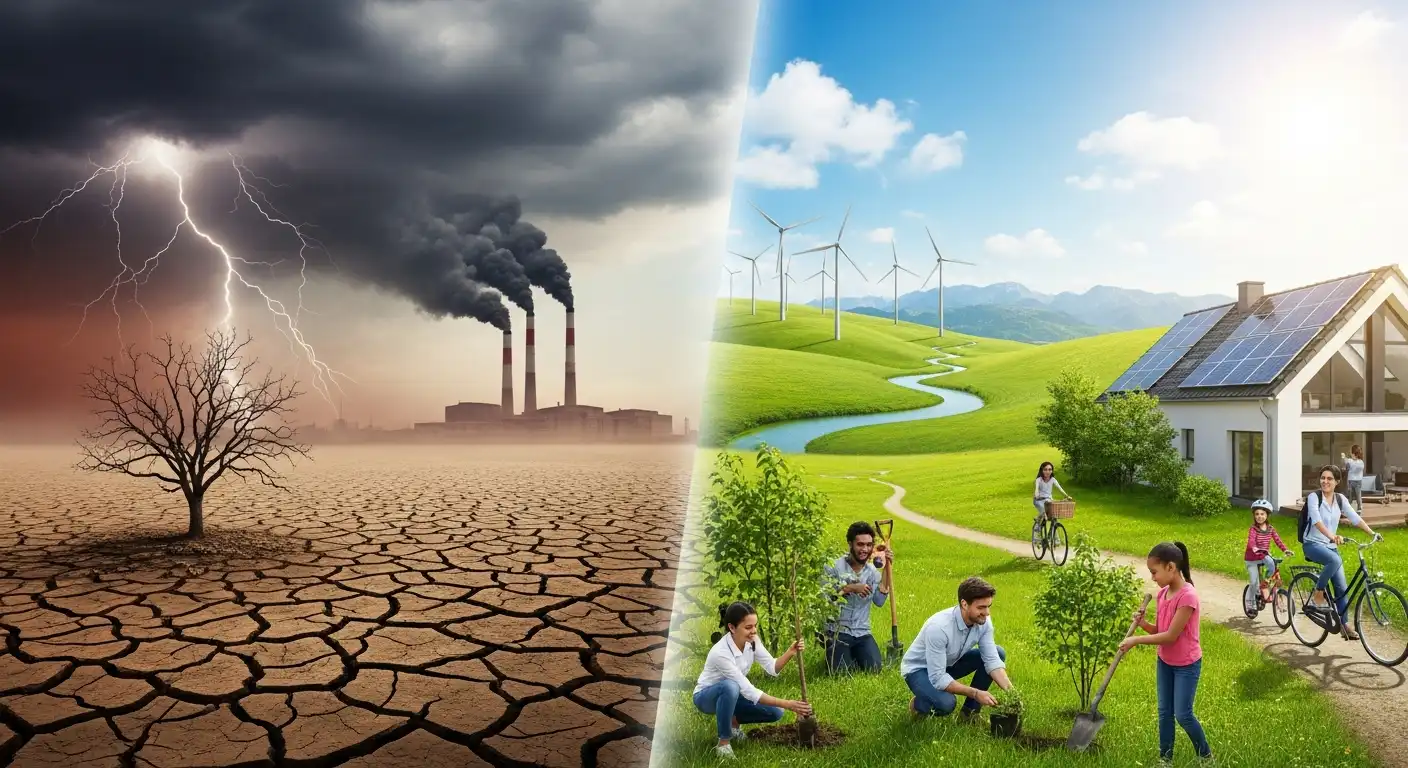
In an era marked by environmental challenges and the need for urgent action, the concept of carbon footprint reduction has taken center stage. As concerns about climate change escalate, the imperative to lower our carbon footprint has become more critical than ever. This article delves into the world of carbon footprint reduction, uncovering its significance, strategies, and the potential to reshape our planet’s future.
Carbon Footprint Reduction: A Call to Action
Carbon footprint reduction is a multifaceted endeavor aimed at minimizing the amount of greenhouse gases emitted by human activities, thereby mitigating the impacts of climate change.
Energy Efficiency: Illuminating the Path
Energy efficiency stands as a cornerstone in the pursuit of carbon footprint reduction. By optimizing energy consumption in households, industries, and transportation, we can significantly decrease the carbon emissions associated with electricity generation, heating, cooling, and transportation fuels.
Sustainable Transportation: Paving the Way
Transforming transportation is a vital aspect of carbon footprint reduction. Electric vehicles, public transportation, and alternative fuels are key players in reducing emissions from the transportation sector, which is a significant contributor to carbon dioxide emissions.
Impact and Implications: The Power of Carbon Footprint Reduction
Carbon footprint reduction yields benefits beyond environmental preservation—improving air quality, economic savings, and a more sustainable and resilient future.
Air Quality and Health: Breathing Easier
Reducing carbon emissions improves air quality, reducing the concentration of pollutants that harm human health and the environment. This cleaner air translates to fewer respiratory illnesses, enhanced well-being, and a reduced burden on healthcare systems.
Economic Savings and Innovation: A Win-Win Scenario
Carbon footprint reduction can be economically advantageous. Energy-efficient technologies, renewable energy sources, and sustainable practices lower emissions drive innovation, create jobs, and generate economic savings through reduced energy consumption.
Challenges and Innovations: Navigating the Path to Sustainability
While carbon footprint reduction offers substantial benefits, it also presents challenges that require innovative solutions, systemic changes, and global cooperation.
Behavioral Change: Shifting Mindsets
Encouraging individuals and communities to adopt more sustainable lifestyles is a challenge. Education, awareness campaigns, and incentives foster behavioral change and inspire people to make greener choices in their daily lives.
Technological Advancements: Pioneering Solutions
Technological innovation is pivotal in carbon footprint reduction. Advances in renewable energy, carbon capture and storage, and energy-efficient technologies offer pathways to cut emissions while drastically meeting growing energy demands.
The Future of Carbon Footprint Reduction: Trends Shaping Climate Action
The trajectory of carbon footprint reduction leads to trends that promise to reshape industries, alter consumption patterns, and drive global efforts to address climate change.
Carbon Offsetting: Balancing the Scale
A growing trend is carbon offsetting. Individuals and businesses can invest in projects that capture or prevent equivalent carbon emissions elsewhere, effectively balancing their carbon footprint. This practice supports sustainable initiatives worldwide and contributes to a net reduction in emissions.
Corporate Sustainability: Leading by Example
Businesses are adopting sustainability initiatives, setting ambitious carbon reduction goals, and transitioning to more environmentally friendly practices. As consumers demand greener products and services, corporations embrace sustainability as a competitive advantage and a moral imperative.
Conclusion
Carbon footprint reduction isn’t just a buzzword—it’s a movement that holds the power to reshape our planet’s destiny. Committing to lowering carbon emissions aligns our actions with environmental well-being, economic prosperity, and a more sustainable future. While challenges involving behavioral change and technological innovation persist, the path forward is illuminated by collaboration, innovation, and a shared commitment to building a resilient and carbon-conscious world.
The future of carbon footprint reduction holds the promise of landscapes where cleaner air, responsible consumption, and sustainable practices define our legacy—an odyssey that invites us to embrace an era where our footprint becomes a footprint of progress.