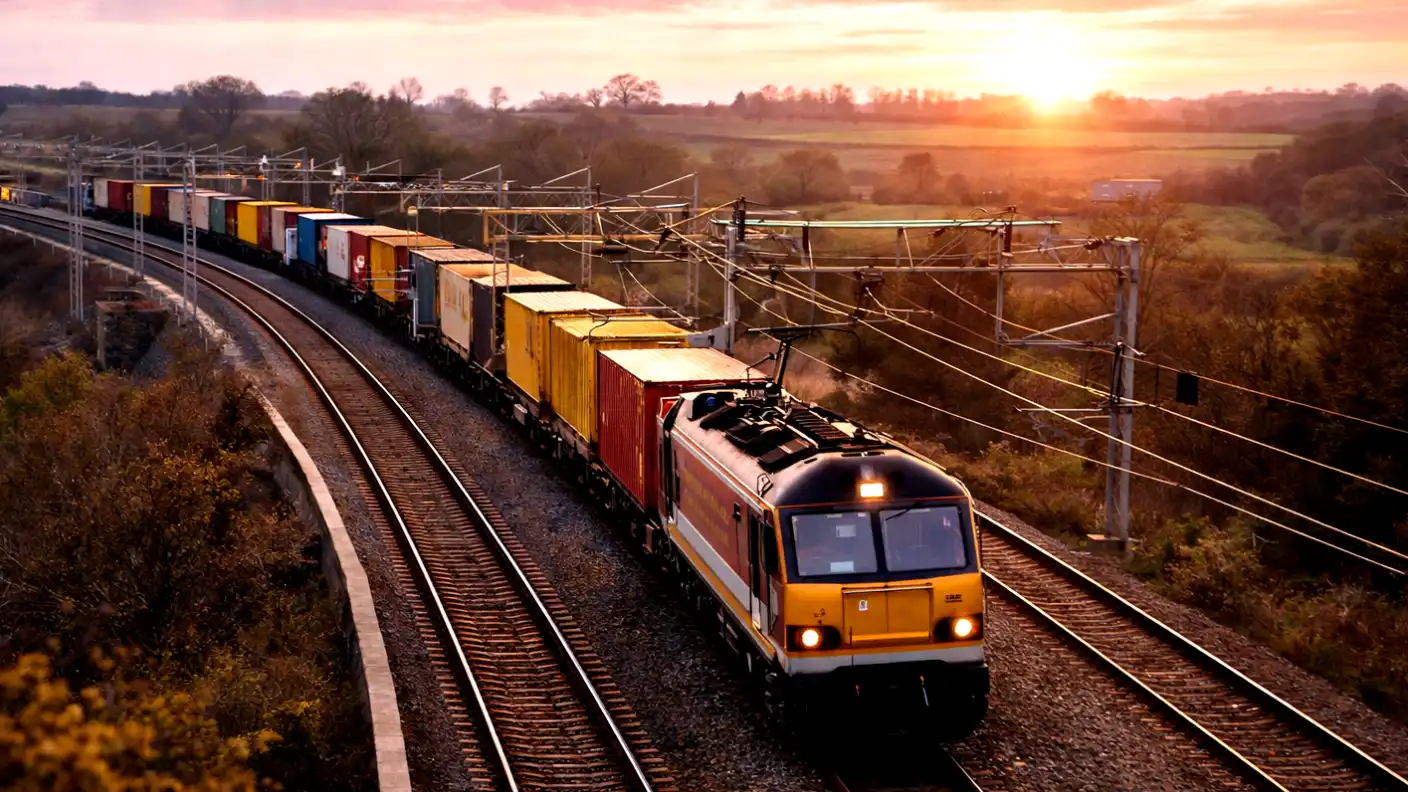
Rail freight transport has been pivotal in the global logistics and supply chain industry for centuries. As businesses and governments recognize its numerous advantages, the rail freight transportation market has recently experienced a resurgence and steady growth. Rail transport offers an efficient, sustainable, and cost-effective solution for moving goods overland, making it a crucial component of modern freight logistics.
Rail Freight Transportation Market Analysis
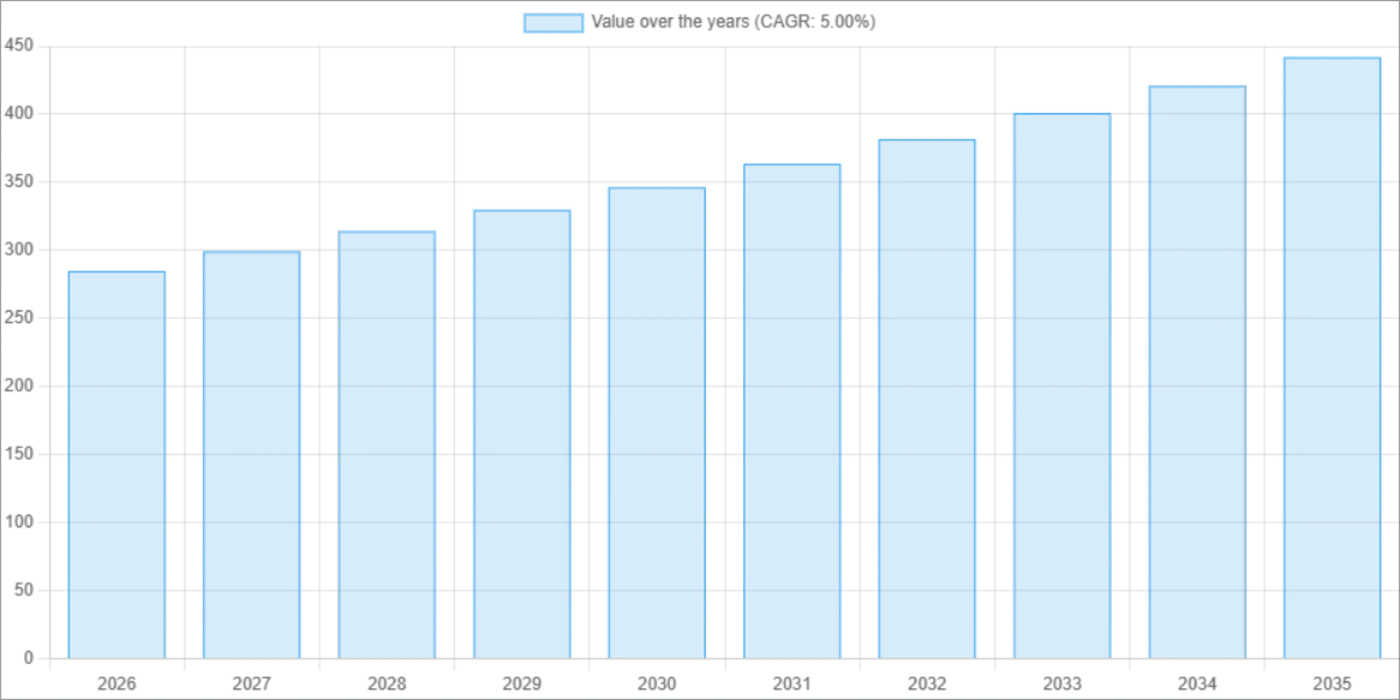
The approximate decision of the Techgolly market research team is that the global Rail Freight Transportation market size was valued at least USD 285 billion in 2026 and is projected to reach up to USD 442.13 billion by 2035. The growth is expected to continue at a compound annual growth rate (CAGR) of 3% to 5% from 2026 to 2035.
Reasons for Rail Freight Transportation Market Growth
As the world seeks sustainable and cost-effective freight transportation solutions, the rail industry is poised to expand, contributing to efficient and environmentally responsible global supply chains. The primary reasons behind the continued growth of the rail freight transportation market are discussed below.
Sustainability and Environmental Concerns
Increasing environmental awareness and the need to reduce carbon emissions have led to a shift towards more eco-friendly transport options. Rail freight is recognized as an environmentally responsible mode of transportation, emitting fewer greenhouse gases per ton-mile than road or air transport.
Cost-Effectiveness
Rail freight is often more cost-effective for long-distance transportation of bulk goods than road transport. It can handle larger cargo volumes in a single journey, reducing per-unit transportation costs.
Efficiency and Reliability
Rail networks are known for their efficiency and reliability. Trains operate on fixed schedules and dedicated tracks, resulting in consistent transit times and reduced variability in delivery.
Capacity Expansion and Modernization
Rail operators and governments have invested in expanding and modernizing rail networks to accommodate higher freight volumes. This capacity expansion has made rail transport an attractive option for shippers.
Intermodal Transportation
Rail freight integrates seamlessly with other modes of transportation, such as trucks and ships, through intermodal transport. This versatility allows for efficient and cost-effective end-to-end logistics solutions.
Energy Efficiency
Trains are inherently energy-efficient, as they can move large quantities of goods using comparatively less fuel per cargo unit. It makes rail transport a more attractive choice in an era of rising fuel costs and increased energy conservation.
Reduced Congestion and Road Wear
Rail transport alleviates road congestion and reduces wear and tear on highways, leading to lower maintenance costs for road infrastructure.
Safety and Reduced Accidents
Rail freight has a strong safety record. Separating rail tracks from roadways minimizes the risk of accidents and collisions, enhancing overall safety in the transportation sector.
Government Investment and Support
Governments in various countries recognize the benefits of rail freight transportation and invest in the development of rail infrastructure. Subsidies and incentives encourage the use of rail for freight.
Bulk Cargo Handling
Rail transport excels in handling bulk cargo, including coal, grains, ores, and industrial materials. It is a preferred mode for industries that require the large-scale transportation of raw materials.
Global Trade and Connectivity
Rail networks provide landlocked regions access to international markets through strategic connections to ports and border crossings. It enhances global trade connectivity and economic growth.
E-commerce and Last-Mile Delivery
Rail freight plays a role in e-commerce logistics, particularly for long-haul transportation. It complements last-mile delivery by efficiently moving goods between distribution centers.
Industry Partnerships and Collaboration
Collaboration among rail operators, logistics providers, and shippers has enhanced efficiency and service quality, thereby promoting the growth of the rail freight transportation market.
Key Market Players
The major Rail Freight Transportation vendors are BNSF Railway Company, Canadian Pacific Railway, United Parcel Service of America Inc., Rail Cargo Group, Canadian National Railway DB Cargo AG, SBB Cargo AG, DHL Group, Russian Railways, Nippon Express Co. Ltd., CSX Corporation, CFR Marfa, Japan Freight Railway Company, Colas Rail, CTL Logistics SRO, DB Schenker, Genesee & Wyoming Inc., Kuehne + Nagel International AG, Norfolk Southern Corporation, VTG Rail Logistics GmbH, and Union Pacific Railroad.