The battle against persistent inflation has taken a complex turn Down Under. Following a brief period of economic softening that gave borrowers hope of a pause in monetary tightening, Australia’s labor market has once again demonstrated its remarkable resilience. The latest official figures have triggered a wave of concern among mortgage holders, as a surprisingly strong jobs report places intense pressure back on the nation’s central bank to raise borrowing costs once again.
Data released by the Australian Bureau of Statistics (ABS) reveals that the national unemployment rate fell to 4.4% in May, down from a four-year high of 4.5% in April. The decline was driven by an extraordinary surge in hiring, with employers adding more than 40,000 new positions to the economy in a single month. This robust job creation, combined with a sticky underlying inflation reading published just a day earlier, has forced financial markets to rapidly price in the possibility of another interest rate hike in the second half of the year.
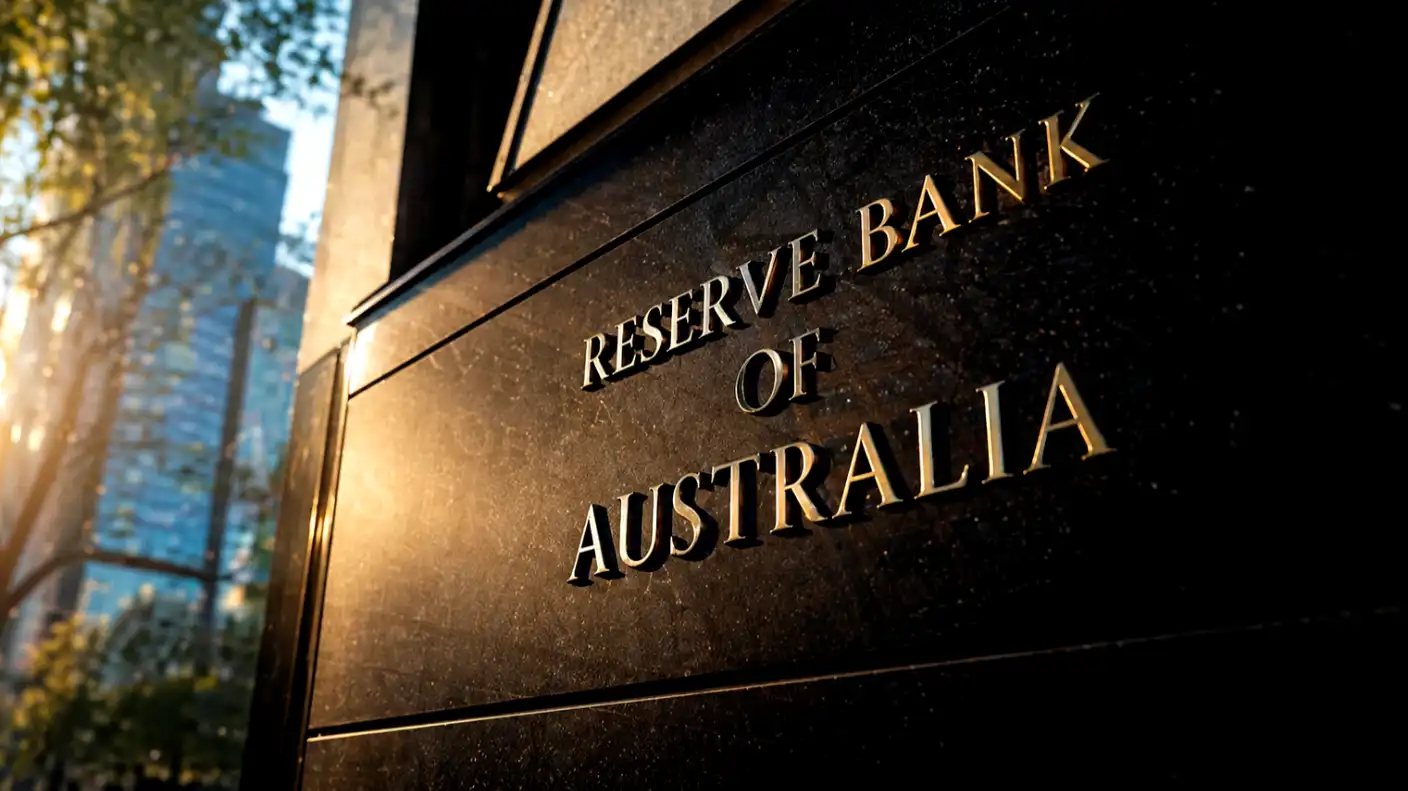
The Reserve Bank of Australia (RBA) now faces an incredibly difficult balancing act. While the central bank left the official cash rate on hold at 4.35% at its latest meeting, the combination of a tight labor market and rising core consumer prices suggests that previous interest rate increases have not been sufficient to cool aggregate demand. As the RBA prepares for its upcoming policy meetings, the prospect of a 15-year high cash rate has returned to the table, threatening to inflict further financial pain on households already struggling with severe cost-of-living pressures.
Analyzing the May Labor Force Resiliency
The sudden rebound in the Australian jobs market has caught many economists off guard. While most analysts expected a modest stabilization following a weak April report, the sheer volume of hiring in May has proved that the domestic economy still possesses a significant amount of underlying momentum.
The Jump in Part-Time Employment and Participation Rates
The ABS reported that the Australian economy added 40,300 jobs in May, far exceeding the consensus forecast of a 25,000 increase. This strong result follows a revised decline of 40,700 jobs in April, demonstrating the highly volatile, non-linear nature of the monthly labor force survey. With this latest hiring surge, the total number of unemployed people in the country fell by 18,300 over the month.
A closer look at the underlying data shows that the hiring boom was overwhelmingly driven by part-time employment. Part-time roles rose by 35,200 in May, while full-time positions grew by a modest 5,200. This preference for part-time hiring suggests that while businesses are still expanding their workforces to meet demand, they remain cautious about committing to the higher fixed costs associated with permanent, full-time contracts in an uncertain economic environment.
Despite this cautious approach to full-time hiring, the overall labor force participation rate remained exceptionally high. The participation rate—which measures the proportion of the working-age population that is either employed or actively looking for work—ticked up to 66.7% in May, from 66.6% in April. This high participation rate indicates that despite high interest rates and global economic headwinds, the vast majority of Australians remain highly motivated to work, providing a solid foundation of consumer demand that continues to support the broader economy.
Clearing the Backlog of Workers Waiting to Start
To explain the sudden jump in hiring, ABS head of labor statistics Sean Crick pointed to a structural shift in how businesses are onboarding new employees. Over the past few months, the ABS had recorded a higher-than-normal proportion of unemployed people who had secured a job but were waiting to officially start working.
In May, this temporary bottleneck cleared. The backlog of people waiting to start their new roles eased significantly, with those individuals officially transitioning into active employment. This structural shift contributed directly to the 40,300 jump in employment and the corresponding drop in the headline unemployment rate.
While this statistical correction suggests that the labor market remains highly resilient, Crick noted that it does not necessarily mean the market is tightening further. Instead, the May result represents a normalization of hiring trends that had been artificially delayed in previous months, giving the RBA a clearer, more accurate picture of the true strength of the domestic workforce.
The Policy Dilemma: RBA’s Next Moves and the Looming August Decision
The unexpected strength of the labor market has created a major policy headache for the Reserve Bank of Australia. The central bank is tasked with bringing inflation back within its target band of 2% to 3% while simultaneously attempting to maintain full employment—a delicate dual mandate that is becoming increasingly difficult to balance.
The Looming Risk of a 15-Year High Cash Rate
The RBA has already delivered three back-to-back interest rate hikes earlier this year, bringing the official cash rate to 4.35%. Policymakers chose to leave rates unchanged in June, stating that they wanted additional time to evaluate how previous increases were affecting consumer spending and business investment before deciding on their next move.
The latest jobs data has significantly shortened that evaluation window. KPMG chief economist Brendan Rynne warned that the May labor force figures add substantial weight to the case for another interest rate hike, and sooner rather than later. Rynne pointed out that a strong labor market keeps aggregate demand high, making it incredibly difficult for the central bank to rein in core consumer prices.
Financial markets have reacted swiftly to the news. Traders are now pricing in a significantly higher probability of a 25-basis-point interest rate hike at the RBA’s upcoming meeting on August 11. If the board decides to tighten policy again, it would take the official cash rate to a 15-year high of 4.60%. This would represent a devastating blow for millions of mortgage holders who are already devoting an unprecedented share of their household income to servicing high-interest home loans.
Trimmed Mean Inflation Tops RBA Target Projections
The pressure on the RBA is further compounded by a highly stubborn inflation outlook. Just a day before the release of the jobs report, the ABS published its monthly consumer price index (CPI) indicator for May, which revealed that while headline inflation fell due to lower fuel prices, the underlying pulse of inflation continued to strengthen.
The policy-relevant trimmed mean inflation—which filters out volatile price movements to measure core inflationary pressures—increased to 3.6% year-on-year in May. This reading is tracking significantly above the RBA’s internal forecasts, proving that domestic price pressures remain deeply entrenched in the service and retail sectors.
Challenger chief economist Jonathan Kearns, a former RBA official, pointed out that the three-monthly measure of the trimmed mean has been stuck around 0.8% per quarter, an annualized rate of over 3.2%. Kearns noted that this underlying pulse is simply too high for the RBA to be comfortable. With core inflation tracking above the target range and the labor market refusing to cool, the central bank’s board may have no choice but to lift rates again to prevent a wage-price spiral from taking hold of the economy.
Divergent Views Across the Economic Landscape
While the headline labor force figures paint a picture of an economy running at full capacity, some economists warn that the underlying data reveal subtle signs of structural softening.
Conflicting Undercurrents: Hours Worked and Underemployment
Ebury economist Anthony Malouf cautioned against overreacting to the headline numbers, noting that the underlying metrics continue to confirm a gradual softening in labor market conditions. Malouf pointed out that despite the 40,300 jump in employment, the total number of monthly hours worked actually declined by 1.1% in May.
This divergence suggests that while businesses are still hiring more workers, they are reducing the overall number of hours available to their existing staff to manage labor costs. Furthermore, the national underemployment rate—which measures the proportion of employed people who want to work more hours but cannot find them—rose by 0.1 percentage points to 5.9% in May. This rise in underemployment indicates that a growing number of Australian workers are struggling to secure enough work to meet their financial needs, highlighting a hidden layer of financial stress within the apparently strong labor market.
The Government’s Delicate Balancing Act Amid Energy Shocks
The political implications of the tightening labor market are also highly complex. Treasurer Jim Chalmers hailed the 40,300 jobs created as a welcome reminder of the economy’s resilience in the face of immense global uncertainty, particularly the energy shocks driven by the ongoing conflict in the Middle East.
Chalmers argued that a strong jobs market is the best defense mechanism the country has against global economic headwinds. However, the government’s fiscal policies are increasingly coming under scrutiny. Critics argue that massive federal spending programs and public sector wage increases are actively fueling domestic demand, working in direct opposition to the RBA’s efforts to cool the economy.
As the government prepares to roll out a series of cost-of-living tax cuts and energy rebates in the new financial year, the RBA will be watching closely to ensure this additional cash injection does not trigger a secondary wave of consumer spending that would require even higher interest rates to control.
Future Outlook for Australian Borrowers and Mortgage Holders
The immediate future looks exceptionally challenging for the millions of Australian households carrying variable-rate mortgages or facing upcoming fixed-rate expirations. The era of cheap money is firmly in the past, and the prospect of a 4.60% cash rate has moved from a worst-case scenario to a highly plausible reality.
If the RBA delivers another rate hike in August, the average household with a $600,000 mortgage will face an additional monthly interest payment of roughly $100. This cumulative interest rate burden has already forced households to make drastic spending cuts, dragging down retail sales volumes and causing consumer discretionary spending to contract.
With household savings rates dropping toward historic lows and real wages recovering at an agonizingly slow pace, another rate hike could push a significant number of borrowers into severe mortgage stress, leading to a rise in property defaults and putting intense pressure on the domestic banking sector.
The financial market reaction to the jobs data was immediate, though relatively muted compared to the prior day’s inflation shock. The Australian Dollar traded slightly lower at 0.6893 against the U.S. Dollar, as global investors weighed the likelihood of an RBA hike against the prospect of higher-for-longer rates in the United States.
Meanwhile, the policy-sensitive three-year Australian government bond yield slipped slightly to 4.399%, indicating that while a rate hike is firmly on the table, investors are still waiting for next month’s crucial quarterly CPI release before fully pricing in the RBA’s next move.
Navigating a High-Rate Economy
The drop in Australia’s unemployment rate to 4.4% in May is a striking testament to the structural resilience of the nation’s workforce. By adding more than 40,000 jobs in a single month and clearing the backlog of workers waiting to start their roles, the labor market has demonstrated that it is not yet ready to buckle under the weight of previous interest rate increases.
However, this employment strength has come at a high cost for the nation’s central bank. With core trimmed mean inflation tracking stubbornly above target and the labor market refusing to cool, the RBA faces an increasingly narrow path to achieve a soft landing for the economy.
As the August policy meeting approaches, the board will be forced to make a difficult choice between protecting the employment gains of the past two years and delivering a painful, 15-year high interest rate hike to permanently break the back of inflation. For Australian mortgage holders and business owners, the message is clear: the economic environment is set to remain highly restrictive for much longer than originally hoped, and the journey toward inflation control will require a significant amount of financial resilience from every corner of the nation.