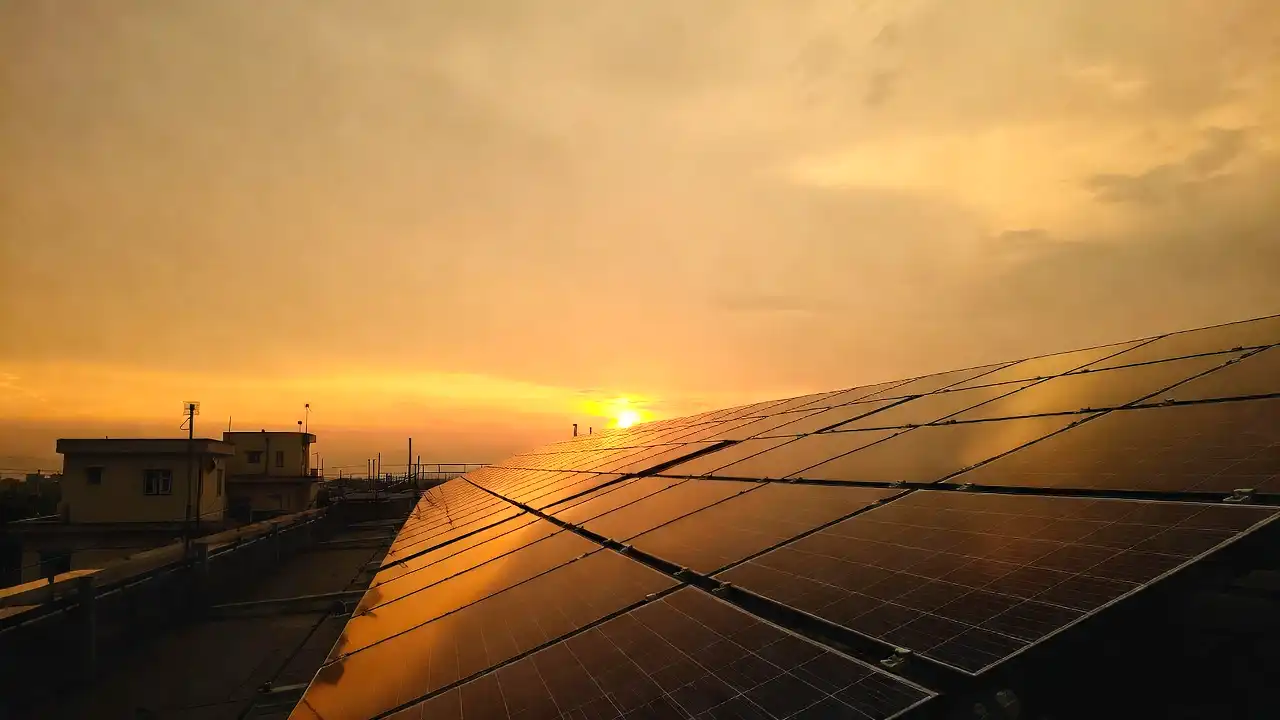
The European energy landscape is undergoing a silent, tectonic shift that is redefining how the continent generates its electricity. In a landmark achievement for the clean energy transition, Portugal has officially reached a tipping point in its national power production. For the first time in history, solar energy became the largest single source of domestic electricity generation during the month of July, signaling a permanent move away from the traditional, fossil-fuel-dependent models of the past.
According to the latest grid performance data released by national operator REN, solar installations contributed an impressive 19 percent of all electricity consumed across the nation during the month. When combined with other clean energy technologies, renewable sources collectively met 53 percent of Portugal’s total power demand in July. This milestone confirms that a small, historically energy-dependent nation can successfully scale renewable infrastructure to meet the needs of a modern, industrial economy. By successfully integrating massive amounts of variable solar and wind power, Portugal is proving that the technological path toward carbon neutrality is not just an aspirational target—it is an active, ongoing reality.
The success of the Portuguese energy grid is far from a one-month anomaly. Looking at the broader trend over the first seven months of the year, renewables covered a massive 68 percent of the country’s total electricity consumption. While hydropower and wind energy remain the historical heavyweights of this green portfolio, the rapid, state-sponsored expansion of utility-scale solar farms is beginning to change the entire mathematical foundation of the power market. As the country moves toward a goal of near-total decarbonization, this integration of renewable power is fueling industrial growth, reducing electricity costs for households, and establishing the nation as a primary, replicable model for other countries attempting to overhaul their legacy energy grids.
Analyzing the 19 Percent Solar Surge in the National Energy Mix
The 19 percent contribution from solar power in July represents a monumental leap in operational efficiency. Only a decade ago, solar power in Portugal was viewed as a fringe, highly subsidized experiment that could never sustain a significant percentage of national load. Today, the nation boasts a high-density cluster of utility-scale solar farms and decentralized residential panels that consistently output massive amounts of gigawatt-hours during peak daylight hours.
This success is the result of a coordinated, multi-year industrial policy that prioritized the deployment of high-efficiency photovoltaic systems. Unlike many other European nations, Portugal possesses high average solar irradiance, which makes its territory a prime location for massive utility-scale installations. By streamlining the permitting process for solar developers, providing clear, long-term power purchase agreements, and utilizing advanced grid-balancing software, the government enabled private companies to deploy massive amounts of capacity in record time.
The rise of solar power is also changing the fundamental behavior of the electricity market. Because solar generation peaks during the brightest hours of the day, it is actively suppressing the wholesale market price of electricity when demand is often at its highest. This “solar discount” has become a major benefit for local manufacturers and heavy industry, who are increasingly timing their most energy-intensive operations to coincide with these peak sunshine hours. The 19 percent market share in July is not just a triumph for green energy; it is a financial victory for the entire national economy.
Hydropower and Wind: The Stability Pillars of the Renewable Grid
While solar energy currently dominates the headlines, hydropower and wind energy remain the essential, heavy-lifting infrastructure of the renewable grid. Hydropower contributed 16 percent of the national total in July, while wind power added 13 percent. These two sources provide the necessary stability that allows the grid to handle the inherent, weather-driven volatility of solar power.
Hydropower is particularly unique because it acts as the nation’s largest, natural battery. The country’s reservoir systems can store millions of cubic meters of water, which can be released through turbines exactly when the electrical grid requires additional power. During cloudy days or periods of high electricity demand, grid operators simply open the sluice gates, instantly injecting reliable, carbon-free energy into the system. This balancing ability is the primary reason why Portugal can achieve such high renewable penetration levels without suffering from systemic blackouts or energy instability.
Wind Power Expansion and Offshore Potential
Wind power’s 13 percent share in July represents a solid, reliable contribution that is set to expand rapidly over the next five years. While the current generation capacity relies heavily on onshore turbines located along the country’s central mountainous corridors, the next phase of the energy transition will shift toward large-scale offshore wind.
The Portuguese government has identified several massive deep-water zones along its extensive Atlantic coastline that are perfect for floating offshore wind platforms. Unlike traditional fixed-bottom turbines, which can only be deployed in shallow, coastal waters, floating offshore wind allows developers to access much stronger, highly consistent deep-sea wind resources.
The government expects these offshore investments to provide a massive boost to the national grid, potentially adding over 10 gigawatts of capacity by 2030, and further cementing the nation’s position as a net exporter of clean, green electricity to the rest of Europe.
Balancing Biomass for Consistent Baseload Support
The remaining 5 percent of the renewable mix is provided by biomass, a technology that is often overlooked but plays a vital role in national energy security. Biomass power plants utilize agricultural waste, forest residue, and specialized energy crops to generate electricity, acting as a small, reliable, and consistent source of “baseload” power that is not dependent on the sun or the wind.
While its 5 percent share seems modest compared to the solar and wind titans, biomass provides a crucial, always-on supply that helps the grid operator maintain constant, stable frequency regulation.
This form of generation is critical because it utilizes materials that would otherwise decompose and release greenhouse gases back into the atmosphere.
By capturing this organic waste and turning it into energy, the power industry effectively closes the carbon cycle, demonstrating that a sophisticated green energy grid requires a diverse mix of generation technologies to stay balanced, stable, and resilient.
Understanding the Three Percent Growth in Electricity Consumption
Despite the rapid, multi-billion-dollar expansion of renewable capacity, the nation is not seeing a reduction in total electricity demand. On the contrary, electricity consumption rose by 3 percent year on year in July, and by 3.5 percent over the first seven months of 2026. This increase in demand is a definitive sign of a modernizing, industrializing economy that is actively replacing legacy fossil fuels with clean, electric alternatives.
This growth is being fueled by two major sectors. First, the rapid, national-level transition to electric vehicles has forced a surge in daytime electricity consumption as drivers charge their personal and commercial vehicles across the grid. Second, the government’s aggressive campaign to replace residential and industrial gas-fired boilers with high-efficiency electric heat pumps is dramatically increasing total power usage during the cooler months.
This transition is exactly what energy planners intended. They know that to reach carbon neutrality, the country must “electrify everything.” By replacing gasoline and natural gas with clean electricity, the nation is successfully decoupling its economic growth from carbon emissions. The 3 percent demand increase is proof that the country’s industrial and residential sectors are successfully adopting electrified tools, proving that the energy transition is not just about producing green power—it is about consuming it.
The Financial Mechanics of the Green Energy Supercycle
Transitioning the entire national power grid to renewable sources requires a massive, sustained influx of private and public capital. Analysts estimate that to reach its 2030 decarbonization goals, the country needs to invest more than $15 billion in new generation, transmission, and energy storage infrastructure. This level of spending is transformative, creating a massive, multi-year pipeline for engineering firms, renewable developers, and technology manufacturers.
The financial model of the energy transition has evolved significantly since the early days of solar. Developers are no longer just building single projects; they are creating integrated energy platforms. These platforms combine wind, solar, and massive battery storage systems under a single management system. This integration allows companies to sell “firm power”—reliable electricity that is available 24/7—to the grid, which commands a much higher price than the intermittent energy produced by standalone solar or wind farms.
Attracting Global Institutional Capital
This financial stability and clear growth pipeline have successfully attracted some of the world’s largest institutional investors. Pension funds, infrastructure specialists, and insurance companies are pouring capital into Portuguese renewable platforms, viewing them as stable, inflation-protected assets that offer reliable, long-term returns.
For these investors, a 15-year or 20-year power purchase agreement provides a secure, steady yield that helps protect their portfolios from the volatility of traditional public equity and bond markets.
The inflow of foreign institutional capital has been vital for funding the massive construction projects required to integrate the new renewable sources into the legacy transmission grid.
This financial backing acts as a powerful, multi-billion-dollar catalyst, ensuring that the necessary infrastructure projects are fully funded and can move from the drawing board to the operational phase without getting stalled by regional credit shortages.
The Rise of the Green Hydrogen Economy
The next chapter of the clean energy story in Portugal involves a massive, multi-billion-dollar pivot toward green hydrogen production. Because the country consistently generates a massive surplus of cheap, zero-emission electricity from its wind and solar farms, it is uniquely positioned to lead the European green hydrogen market.
The process involves using excess renewable electricity to power electrolyzers, which split water molecules into hydrogen and oxygen. This green hydrogen can then be used to power heavy industrial processes, such as steelmaking and long-distance shipping, that cannot be easily electrified.
Major energy developers are currently scouting locations for large-scale electrolysis plants near the country’s primary ports, viewing the export of green hydrogen as a multi-billion-euro market opportunity.
This transition will allow the nation to leverage its renewable energy surplus, creating a new, highly profitable industrial export engine that will sustain its economic leadership for decades.
Structural Lessons for the Global Energy Transition
The Portuguese energy report provides three critical, universal lessons for any nation currently attempting to modernize its power grid.
First, the transition away from fossil fuels requires an immediate, massive expansion of total electrical capacity. Policymakers must realize that they cannot achieve decarbonization by simply swapping one power source for another; they must build a grid that is significantly larger and more robust than the one they inherited.
Second, geographical diversity is the ultimate survival strategy for renewable energy. By balancing high-output wind farms with steady hydroelectric baseloads and expanding solar arrays, grid operators can effectively smooth out the supply volatility that prevents renewables from serving as a reliable baseload provider.
Finally, the transition requires a radical, structural investment in transmission infrastructure. Generation capacity is worthless if the power cannot reach the consumer. Building high-capacity, long-distance transmission lines and developing localized energy storage networks are the most urgent, high-value infrastructure challenges of the next decade.
The achievement of 19 percent solar generation and 68 percent total renewable coverage is a massive, historic milestone. It confirms that the physical and technical barriers to a renewable-energy-dominated grid have been successfully dismantled. As the nation continues to scale its wind and solar generation, invest in deep-sea offshore wind, and lead the charge toward a European green hydrogen economy, its experience will continue to serve as the definitive blueprint for global energy planners.
The world is watching Portugal, not because it is the largest energy market, but because it is the first to prove that the clean energy transition is physically possible, economically viable, and operationally reliable at a national scale. This success is not just a triumph of engineering; it is a profound, structural change in how a modern industrial nation generates, manages, and consumes power, ensuring a cleaner, more sustainable, and increasingly prosperous future for every citizen in the digital age.