Key Points:
- Samsung Electronics reached a historic $1 trillion market valuation following an 11% stock surge on Wednesday.
- Seoul-listed shares hit a new record high of 261,500 won, capping a massive rally in which prices more than doubled this year.
- Apple opened exploratory talks with Samsung to potentially manufacture the main processors for its future iPhones and Mac computers.
- The South Korean technology giant generates enormous profits by supplying high-bandwidth memory chips for global artificial intelligence systems.
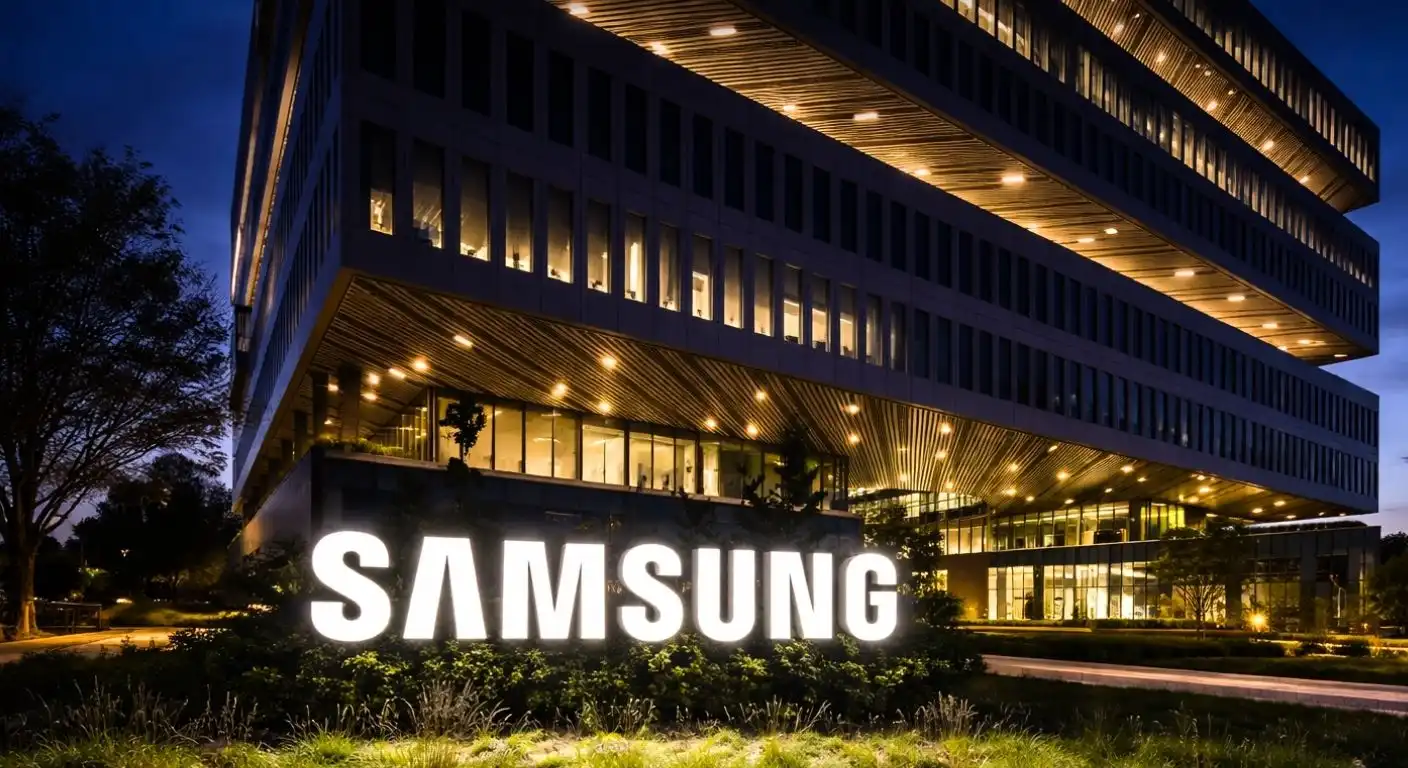
South Korean technology giant Samsung Electronics reached a historic financial milestone on Wednesday. The company officially crossed the $1 trillion market-cap threshold for the first time. A massive rally in memory chip stocks and exciting news about new corporate partnerships pushed the business over the finish line. Investors rushed to buy shares, sending the stock price skyrocketing as soon as the market opened.
Seoul-listed shares of the technology company surged more than 11% on Wednesday morning alone. This massive single-day jump pushed the stock to a brand new record high of 261,500 won. For anyone watching the financial markets this year, this surge comes as no surprise. The stock price has more than doubled since January, rewarding loyal shareholders with incredible financial returns.
A new report from Bloomberg News ignited this latest trading frenzy. According to the report, Apple recently opened exploratory talks with Samsung. The American iPhone maker wants to see if the South Korean company can manufacture the main processors for its future devices. Apple sells hundreds of millions of iPhones, iPads, and Mac computers every single year, making this potential manufacturing contract incredibly valuable.
Right now, these business discussions remain in the very early stages. Apple has not placed any official orders, and executives have not signed any final contracts. However, simply holding these meetings signals a clear shift in Apple’s strategy. The American company desperately wants to diversify its supply chain and reduce its heavy reliance on a single manufacturing partner.
Currently, Apple relies almost entirely on the Taiwan Semiconductor Manufacturing Company to build its custom silicon chips. While the Taiwanese manufacturer builds excellent products, relying on a single supplier creates significant risks. Natural disasters or regional political conflicts could instantly stop Apple from making new phones. Finding backup manufacturers is essential to the security of the world’s most valuable consumer electronics company.
Samsung does not stand alone in these negotiations. Apple also reached out to Intel to discuss similar manufacturing deals. Intel wants to rebuild its own factory business and compete directly for these massive contracts. Both Intel and Samsung offer Apple the chance to spread its manufacturing across different countries and different factory networks, which guarantees a much steadier supply of computer chips.
While the Apple rumors provided the spark for Wednesday, the true engine behind the $1 trillion valuation is artificial intelligence. The global tech industry currently experiences a massive memory chip supercycle. Technology companies around the world need enormous amounts of computing power to train their new artificial intelligence software. Because of this, they buy every single memory chip they can find.
These complex artificial intelligence systems require a specific type of hardware called high-bandwidth memory. Samsung produces huge volumes of this exact memory type. Right now, global demand far exceeds the available supply. This extremely tight market allows Samsung to charge premium prices for its components, sending corporate profits soaring.
Samsung holds a highly unique position in the global market. While everyday consumers know the company for its Galaxy smartphones and flat-screen televisions, the semiconductor division drives the real profit. The company designs and builds the internal parts that power devices from completely different brands. Even when a rival company sells a smartphone, Samsung often makes money because it supplies the memory chips inside that phone.
Samsung executives know they must spend heavily to keep this massive advantage over their competitors. The company recently pledged heavy financial investments to strengthen its leadership in the semiconductor industry. Engineers will use this funding to design faster chips, while construction crews build new manufacturing facilities to increase overall factory production. Executives fully expect the intense demand for advanced memory to remain robust for many years to come.
Reaching a $1 trillion valuation cements Samsung as one of the most powerful corporate empires on the planet. Joining the exclusive trillion-dollar club places the Asian manufacturer alongside American tech giants like Microsoft, Google, and Amazon. Very few hardware manufacturers ever reach this elite level of financial success.
Whether the Apple processor deal actually happens or not, the South Korean giant holds a winning hand right now. The company possesses the factories, the patents, and the engineering talent to dominate the next decade of technology. As long as the artificial intelligence boom continues to grow, the world will desperately need the high-speed memory chips Samsung produces every day.