Key Points:
- Samsung Electronics invested a record 89.9 trillion won, or $59.2 billion, in capital expenditures and research and development last year.
- The South Korean technology giant outspent its closest rival, Taiwan Semiconductor Manufacturing Company, which allocated 69.4 trillion won to industrial expansion.
- Samsung maintained its aggressive spending strategy even during the severe 2023 downturn, when its operating profit plummeted by nearly 85%.
- Industry analysts warn that ongoing disputes over employee bonuses and dividend distributions could heavily strain the company’s capital reserves during the current boom cycle.
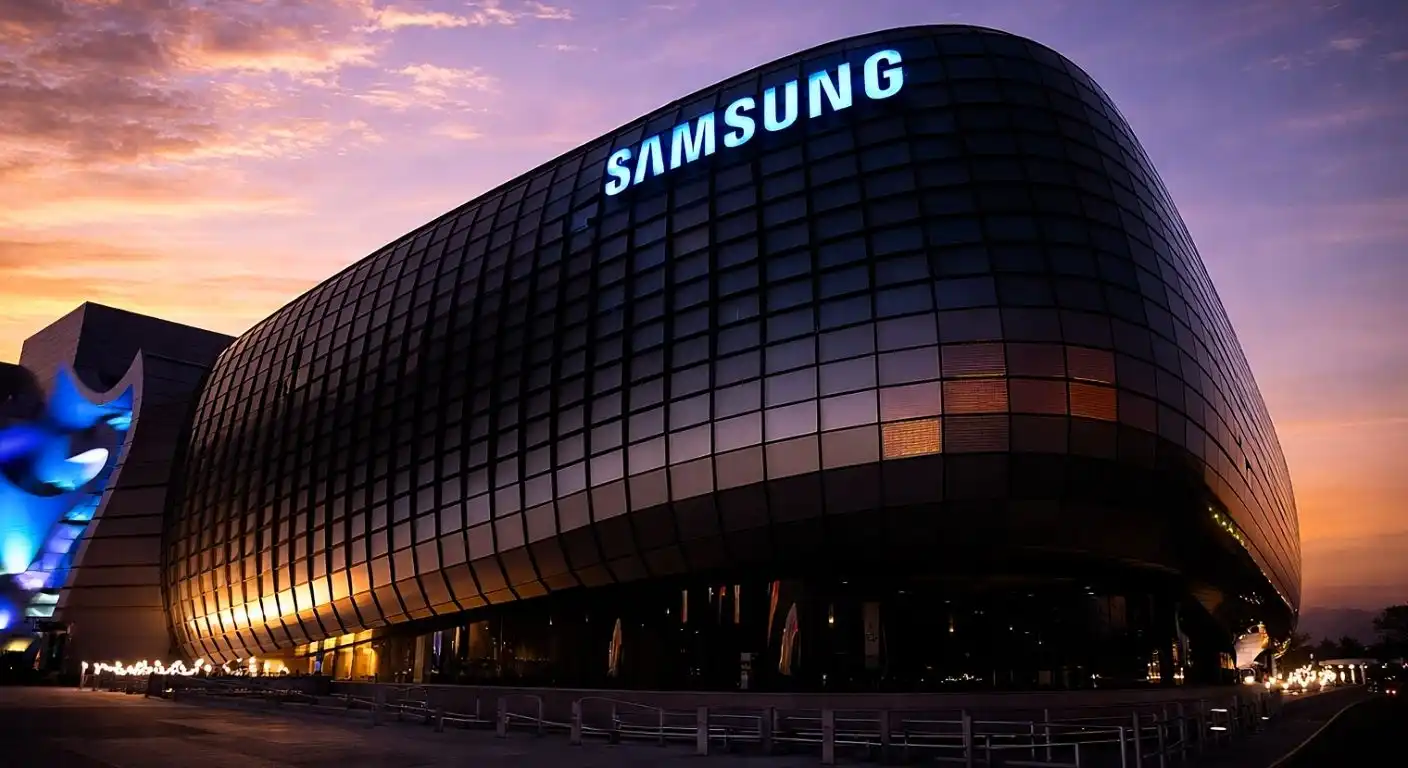
The high-stakes global semiconductor race is demanding an unprecedented amount of capital as the world’s leading chipmakers fight to secure their technological advantages. Industry data shows that South Korean technology giant Samsung Electronics outspent all of its global rivals on infrastructure and research last year, solidifying its position as the largest investor in the semiconductor sector. By pouring tens of billions of dollars into advanced manufacturing plants and next-generation product design, the company is demonstrating a relentless commitment to dominating both the memory and contract-foundry markets.
According to data compiled by corporate tracker CEO Score, Samsung Electronics invested a record-breaking 89.9 trillion won—equivalent to approximately $59.2 billion—in capital expenditures and research and development (R&D) last year. This massive financial commitment consisted of 52.2 trillion won in direct capital expenditures to construct advanced cleanrooms and purchase state-of-the-art manufacturing tools, alongside 37.7 trillion won dedicated purely to R&D to design more efficient processing chips and memory architectures.
Samsung’s massive investment program easily eclipsed the spending of its closest global competitor, Taiwanese semiconductor powerhouse Taiwan Semiconductor Manufacturing Company (TSMC). While TSMC spent a highly impressive 69.4 trillion won on expansion and research last year, Samsung outpaced its rival by more than 20 trillion won. This aggressive spending gap highlights the unique challenges facing the South Korean firm, which must simultaneously fund the development of advanced high-bandwidth memory (HBM) and compete directly against TSMC in the lucrative 2-nanometer contract-manufacturing race.
This bold investment strategy represents a central pillar of Samsung’s long-term, counter-cyclical playbook. During the severe semiconductor industry downturn of 2023, when high inflation and slumping consumer demand caused a massive collapse in global chip prices, the company’s operating profit plummeted by 84.9% to just 6.57 trillion won. Despite this severe cash squeeze, Samsung refused to cut its capital spending plans, choosing instead to invest 88.9 trillion won that year—more than 13 times its annual operating profit.
While conservative investors criticized the heavy spending at the time, industry analysts now agree that this aggressive, counter-cyclical spending successfully laid the groundwork for the massive market upcycle that began gaining momentum last year. By continuing to build advanced fabrication plants and keeping its engineering teams fully funded during the downturn, Samsung was uniquely prepared to capture the sudden, explosive surge in demand for high-performance memory chips and artificial intelligence processors that are currently driving the global tech sector.
However, the sheer scale of these capital requirements is creating intense internal and operational dilemmas for the company’s leadership team. As Samsung’s chip division enters a highly profitable boom cycle, company directors are facing mounting pressure from labor unions and retail shareholders to distribute tens of trillions of won in worker bonuses and larger dividend payments. Analysts warn that these ongoing domestic disputes over wealth redistribution could place a significant, highly unwelcome financial burden on the company at a time when it must maintain capital flexibility.
With individual advanced semiconductor fabrication plants now requiring upwards of $15 billion to construct and a single extreme ultraviolet lithography machine costing over $350 million, maintaining a reserve of at least $1 billion in ready cash is essential for daily operations. Siphoning off massive amounts of cash to fund short-term dividend hikes or employee bonuses directly reduces the capital available to purchase the expensive, long-lead-time tools required to keep pace with rapid technological advancements.
Even a minor 1.5% shift in global foundry market share represents billions of dollars in capital at stake, making continuous investment a prerequisite for survival. Samsung’s foundry division is currently fighting a high-stakes battle to qualify its sixth-generation high-bandwidth memory (HBM4) with market leader Nvidia, while trying to win over major U.S. fabless design clients like AMD and Qualcomm. To succeed, the company must continually refine its packaging technologies and improve its wafer yields, an engineering challenge that requires billions of dollars in uninterrupted R&D funding.
The geopolitical landscape is also forcing the company to diversify its manufacturing footprint outside of South Korea, adding another layer of capital expense to its balance sheet. To secure lucrative federal grants under the U.S. Chips Act and protect its supply chains from rising tensions in the Taiwan Strait, Samsung is investing over $40 billion to build a massive semiconductor manufacturing hub in Taylor, Texas. Constructing these advanced overseas facilities requires immense resources, stretching the company’s capital allocation strategies to their absolute limits.
In the end, Samsung Electronics’ record-breaking $59.2 billion investment last year highlights the brutal, high-stakes reality of the modern semiconductor industry. By choosing bold, counter-cyclical spending over short-term financial caution, the South Korean giant has successfully positioned itself at the absolute forefront of the artificial intelligence hardware boom. As the company continues to battle TSMC and coordinates its massive global data center expansions, this relentless investment strategy proves that in the silicon landscape, long-term survival belongs exclusively to those who are willing to outspend and out-innovate their competitors.