The global energy landscape is undergoing a profound transformation driven by the need for greater efficiency, sustainability, and resilience in power generation, distribution, and consumption. Smart grids have emerged as a pivotal solution to address these challenges. These intelligent, digitally enabled energy networks offer a wide range of benefits, driving growth in the smart grid market.
Smart Grid Market Analysis
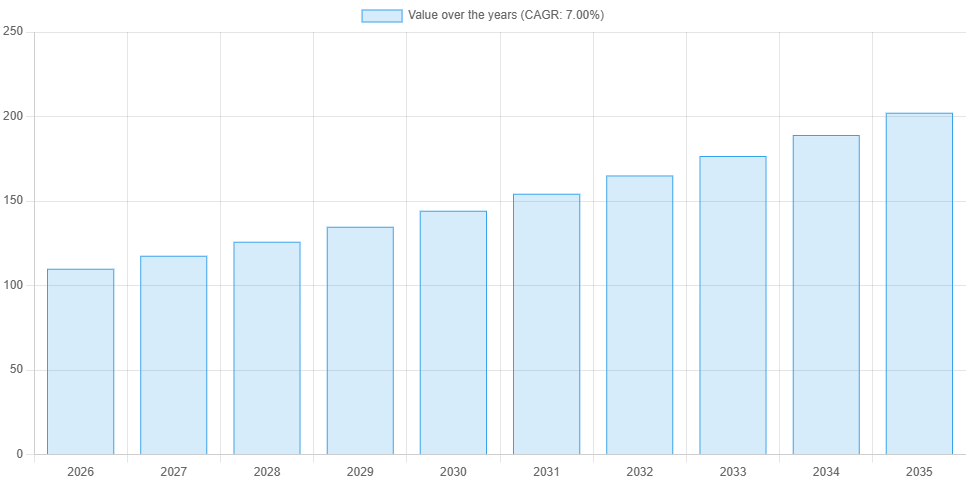
The Techgolly market research team’s preliminary estimate is that the global smart grid market was valued at USD 110 billion or more in 2026 and is projected to reach USD 202.23 billion by 2035. The growth will continue at a compound annual growth rate (CAGR) of 5% to 7% from 2026 to 2035.
Reasons for Smart Grid Market Growth
As the world transitions toward smarter, greener energy systems, the smart grid market is poised for sustained expansion, playing a pivotal role in shaping the future of energy distribution and consumption. The primary reasons behind the expansion of the smart grid market are discussed below.
Energy Sustainability and Environmental Concerns
Rising environmental awareness and the urgent need to reduce carbon emissions have propelled the adoption of smart grids. These grids enable the integration of renewable energy sources, such as solar and wind power, into the energy mix, contributing to a more sustainable energy ecosystem.
Efficiency and Grid Optimization
Smart grids leverage advanced technologies like sensors, automation, and data analytics to optimize energy distribution. They reduce energy losses in transmission and distribution, improving grid efficiency.
Demand Response and Load Management
Smart grids enable demand response programs, allowing utilities to manage peak demand efficiently. Consumers can adjust their energy consumption patterns in response to real-time pricing, reducing grid stress during peak periods.
Enhanced Reliability and Resilience
Smart grids are designed to self-monitor and quickly detect faults or outages. Automated fault isolation and restoration (FDIR) capabilities ensure a more reliable and resilient power supply, reducing downtime and economic losses.
Integration of Distributed Energy Resources (DERs)
The growth of distributed energy resources, including rooftop solar panels and home batteries, requires a flexible and intelligent grid. Smart grids seamlessly integrate DERs, enabling two-way energy flow and improving grid stability.
Grid Modernization Initiatives
Governments and utilities worldwide invest in grid modernization efforts. These initiatives focus on replacing aging infrastructure with advanced smart grid technologies, creating opportunities for market growth.
Energy Efficiency Goals
Smart grids contribute to national and regional energy efficiency goals by reducing waste, optimizing energy use, and enhancing energy conservation practices.
Advanced Metering Infrastructure (AMI)
The deployment of smart meters as part of AMI projects enables utilities to collect real-time energy consumption data. This data helps consumers make informed choices, and utilities manage their resources efficiently.
Electric Vehicle (EV) Integration
The adoption of electric vehicles is on the rise. Smart grids support EV charging infrastructure by managing electricity demand and optimizing charging times, ensuring a seamless transition to electric mobility.
Cybersecurity and Grid Resilience
Cybersecurity becomes paramount as smart grids become more interconnected and data-driven. Investments in grid cybersecurity solutions are essential to protect critical infrastructure and foster market growth.
Technological Advancements
Ongoing research and development in smart grid technologies have led to innovations in sensors, communication networks, data analytics, and grid management systems. These innovations enhance grid performance and reliability.
Incentives and Government Policies
Government incentives and regulations promoting smart grid adoption encourage utilities and industries to invest in modernization projects, fostering market expansion.
Consumer Engagement
Increasing consumer awareness of energy consumption and sustainability drives demand for smart grid technologies. Consumers are becoming active participants in energy management through smart home devices and energy management platforms.
Key Market Players
The major vendors offering smart grid solutions are General Electric Company, Schneider Electric, ABB Ltd., Siemens AG, Itron, Electric Company, Cisco Systems Inc., Aclara, Landis+Gyr, OSI, Oracle, Wipro, International Business Machines Corporation, Honeywell, Eaton, Kamstrup, Trilliant Holdings, Globema, Tech Mahindra, and Enel X North America.