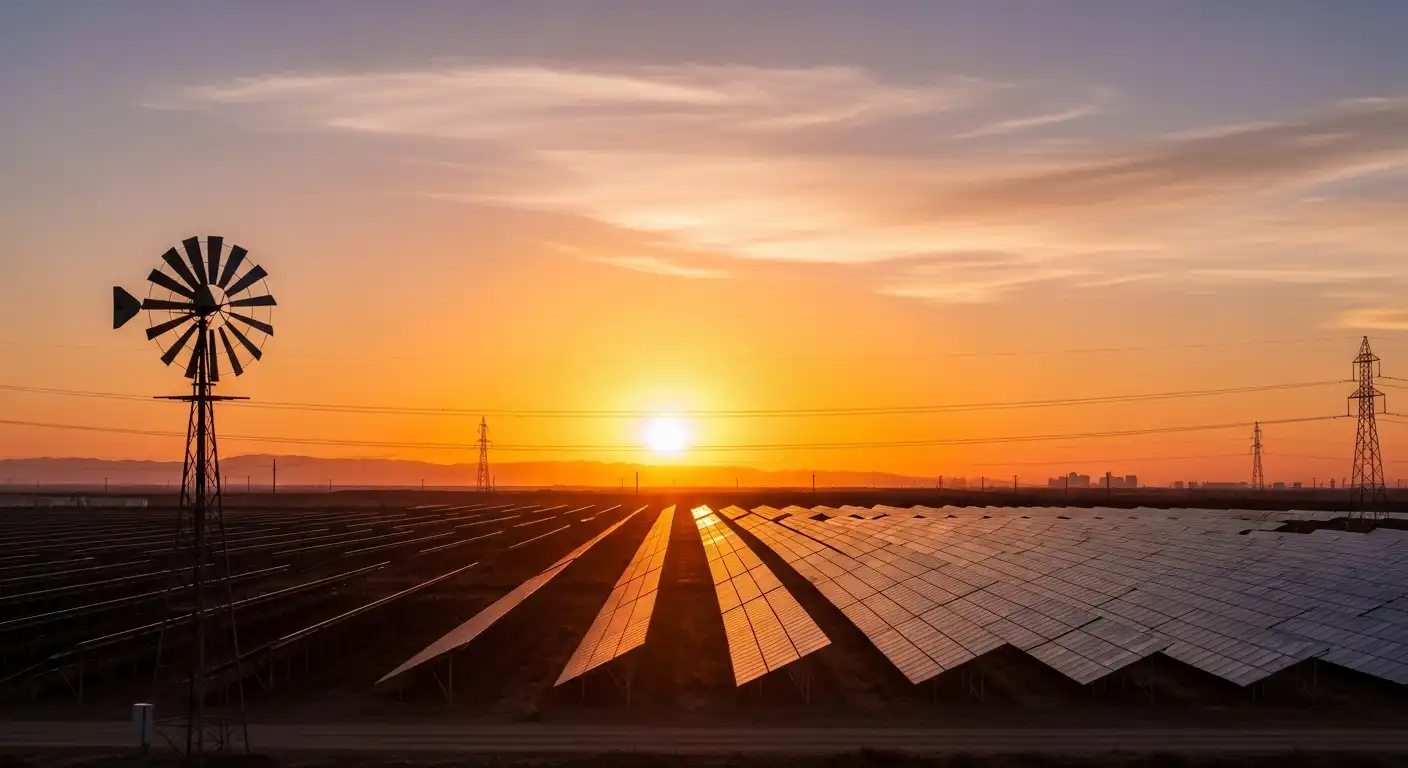
The solar energy market has witnessed remarkable growth and has become a shining beacon in the global transition towards cleaner and more sustainable energy sources. Solar power, harnessed from the sun’s inexhaustible energy, has rapidly become a key solution to address climate change and meet the world’s growing energy demands.
Solar Energy Market Analysis
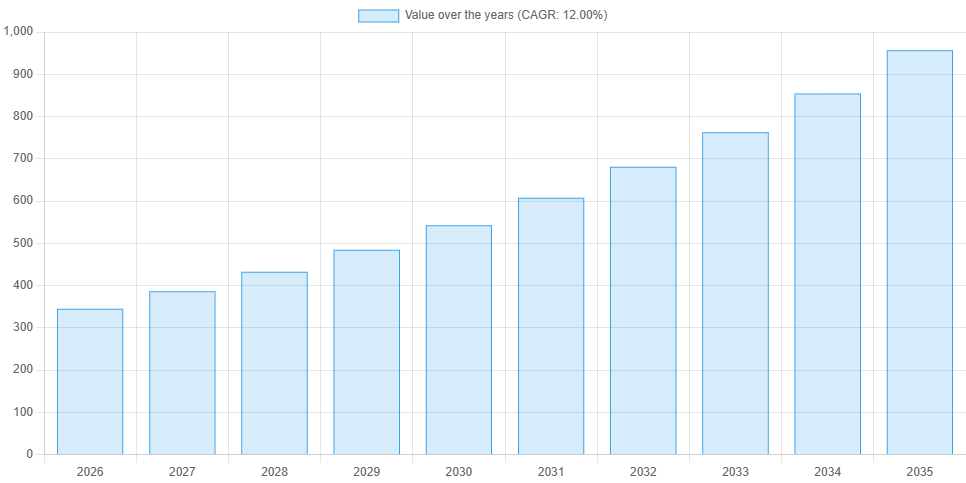
The Techgolly market analysis team’s preliminary assessment indicates that the global Solar Energy market size was valued at least USD 345 billion in 2026 and is projected to reach up to USD 956.71 billion by 2035. The growth will continue at a compound annual growth rate (CAGR) of 10% to 12% from 2026 to 2035.
Reasons for Solar Energy Market Growth
As solar power continues to shine as a clean and abundant energy source, it is poised to play a pivotal role in the global transition to a more sustainable and resilient energy future. The primary reasons behind the exceptional solar energy market growth are discussed below.
Environmental Awareness and Climate Change Mitigation
As the global community becomes increasingly aware of the adverse environmental impacts of fossil fuels, there is a growing consensus on the need to reduce greenhouse gas emissions. Solar energy, a clean and renewable source, is a crucial component of efforts to combat climate change and reduce the carbon footprint of energy production.
Cost Competitiveness
Solar panels and associated technologies have experienced a significant decline. Solar energy has become highly cost-competitive with conventional fossil fuels in many regions. This affordability makes solar power an attractive option for residential and commercial applications.
Government Incentives and Policies
Governments worldwide have implemented a range of incentives and policies to support the growth of solar energy. These include tax credits, feed-in tariffs, net metering programs, and renewable portfolio standards, which stimulate investment in solar infrastructure.
Energy Independence and Security
Solar power contributes to energy independence by reducing reliance on imported fossil fuels. Nations can enhance their energy security by diversifying their energy mix, decreasing vulnerability to supply disruptions, and reducing geopolitical tensions.
Technological Advancements
Ongoing research and development have led to significant advancements in solar technology. Innovations such as high-efficiency solar panels, improved energy storage solutions, and smart grid integration have boosted the reliability and performance of solar energy systems.
Scalability and Versatility
Solar energy systems are highly scalable and versatile. They can be deployed on rooftops, in utility-scale solar farms, and even in off-grid applications. This adaptability allows solar power to meet a wide range of energy needs.
Job Creation
The solar industry has become a major source of employment. Jobs are created in various sectors, including manufacturing, installation, maintenance, and research and development, contributing to economic growth and stability.
Resilience and Grid Support
Solar power can enhance grid resilience by providing distributed generation during outages or disruptions. Solar energy storage systems can stabilize the grid and support critical infrastructure during emergencies.
Energy Access in Developing Regions
Solar energy offers a viable solution to address energy poverty in developing regions. Off-grid solar systems and microgrids provide reliable electricity to communities without access to centralized power sources.
Consumer Demand and Corporate Responsibility
Increasing consumer demand for sustainable energy sources and corporate commitments to reduce carbon emissions have driven investment in solar energy. Many individuals, businesses, and organizations are installing solar panels to meet environmental and sustainability goals.
Key Market Players
The major Solar Energy vendors are First Solar, Jinko Solar, Trina Solar, JA SOLAR Technology Co., Fimer Group, Delta Electronics Inc., Huawei Technologies Co. Ltd., SMA Technologies, SolarEdge Technologies Inc., Tesla, BYD Company Ltd., Samsung SDI Co. Ltd., Enersys, Adara Power., Sungrow, Risen EnergyCo. Ltd., Schneider Electric, General Electric, Morningstar Corporation, Canadian Solar, Wenzhou Xihe Electric Co. Ltd., Beijing EpsolarTechnology Co. Ltd., and SunPower Corporation.