Key Points:
- Middle Eastern nations want to store their excess crude oil in South Korean facilities.
- A blockade of the Strait of Hormuz prevents oil-producing countries from shipping their oil.
- South Korea operates nine strategic reserve bases that can hold 146 million barrels.
- Joint stockpiling agreements let South Korea collect fees and secure emergency fuel supplies.
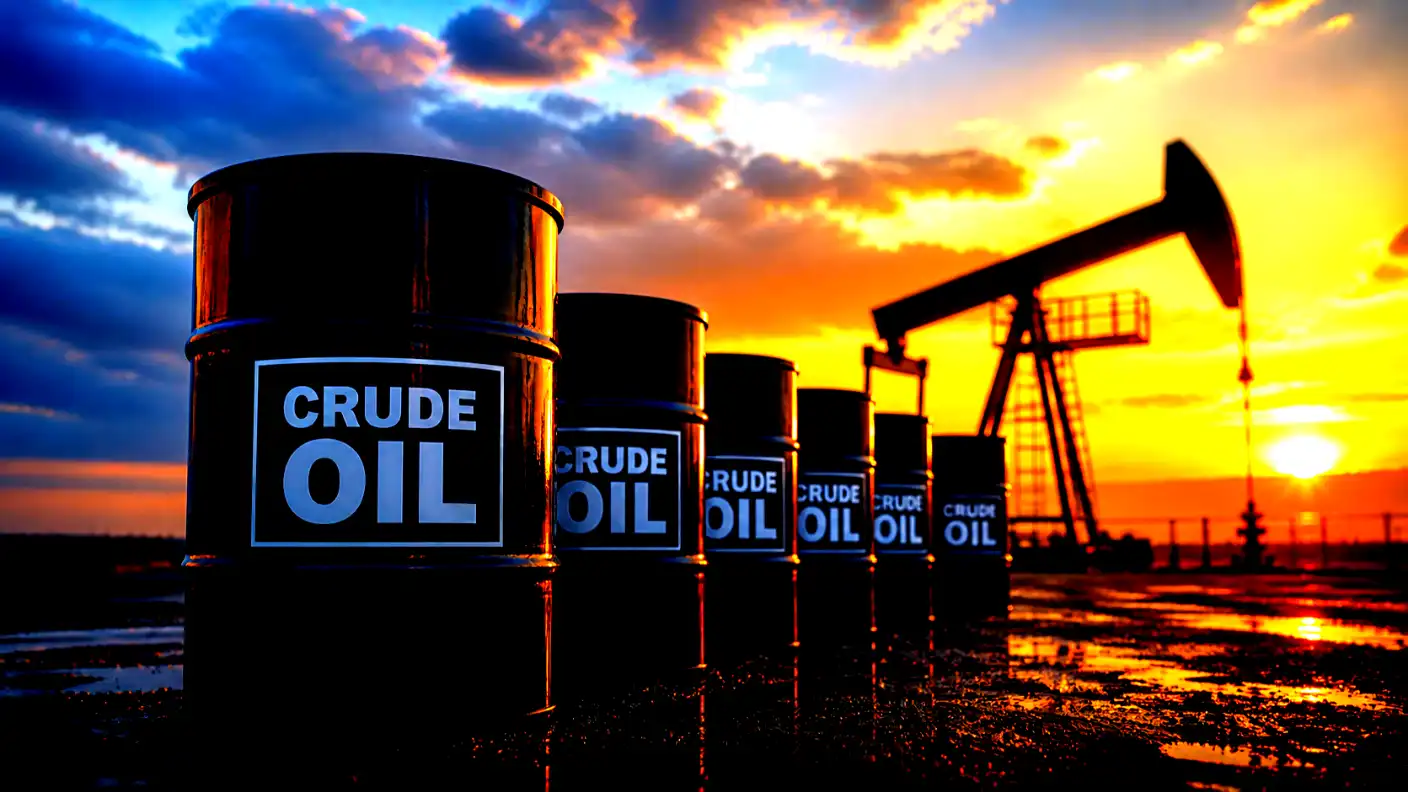
Middle Eastern oil producers face a massive problem right now. They have too much crude oil and nowhere to put it. A prolonged blockade of the Strait of Hormuz stops them from shipping their products to global buyers. Now, these wealthy nations look to South Korea for help. They want to store their valuable crude oil inside the massive South Korean petroleum reserve bases. These specific storage facilities currently rank as the sixth-largest in the world.
The shipping trouble started in late February following military attacks on Iran by the United States and Israel. This violent action forced the closure of the crucial Strait of Hormuz. The ongoing blockade hurts nations that buy oil, like South Korea, but it creates a total nightmare for oil-producing countries. Their domestic storage tanks rapidly reach maximum capacity. Workers keep pumping fresh oil out of the ground, but port authorities cannot send the tanker ships out to sea.
Yang Gi Uk leads the Industry and Resource Security Office at the Ministry of Trade, Industry and Energy. He explained the complicated situation to reporters last month. He noted that several foreign countries approached South Korea recently with unique business proposals. They brought questions and requests to discuss renting space inside the South Korean oil reserve bases. Yang chose not to name the specific countries making these urgent requests.
For nations like Saudi Arabia, Kuwait, and the United Arab Emirates, oil sales form the backbone of their economies. They must keep the oil moving to survive financially. These countries realize they can greatly reduce their business risks by moving their oil out of the Middle East right now. If they store their crude oil safely outside the blocked Strait of Hormuz, they can easily sell it to international buyers later.
South Korea spent almost 50 years building its massive national storage network. The state-owned Korea National Oil Corporation manages these impressive sites today. The Asian country launched this huge project after the severe global oil crisis hit its economy hard in 1973 and 1979. To prevent future energy shortages, South Korea operates 9 different reserve bases across the country. Construction crews finished building the newest facility in the southeastern city of Ulsan in 2021.
Together, these 9 strategic bases offer a maximum combined capacity of 146 million barrels of oil. Right now, the facilities only hold about 100 million barrels of petroleum. This leaves plenty of empty room for foreign partners to rent space and store their stranded oil.
South Korea built most of its storage facilities deep underground. You can find these subterranean bases hidden safely in cities like Ulsan and Yeosu. This building method differs greatly from that of neighboring Japan. Japan operates 10 storage facilities, but only 3 are underground. Japanese companies built the rest of their tanks high above the ground or placed them on floating platforms out at sea.
Building deep underground gives South Korea a massive advantage. The thick earth provides natural blast protection for the highly flammable liquid. Safety remains a top priority because these bases sit near some of the largest petrochemical clusters in Asia. Major oil refiners operate right next door. For example, Saudi Aramco owns a large stake in S-Oil Corporation, while the American energy giant Chevron has close ties to GS Caltex Corporation.
Kim Jin Soo teaches earth resources and environmental engineering at Hanyang University in Seoul. He highlighted another big geographic benefit for South Korea. The open ocean surrounds the country on three sides. Ships do not face narrow chokepoints when they navigate South Korean waters. This direct ocean access makes it incredibly easy for global producers to bring in crude oil and take it out whenever they want.
Kim also explained how global tension changes the value of these giant facilities. He said the worth of energy security assets keeps climbing higher every year. This steady rise happens for both economic and diplomatic reasons. The current Middle East crisis simply accelerates a trend that began a decade ago. Countries now fiercely compete to control vital energy resources and secure safe storage spaces around the globe.
South Korea already knows how to run these international partnerships smoothly. Yang mentioned a current deal with the Abu Dhabi National Oil Company, a state-owned business from the United Arab Emirates. Under a joint stockpiling agreement, this foreign company safely stores its crude oil at South Korean bases. Now, other frustrated nations want to sign this exact type of agreement.
These joint stockpiling deals offer a perfect win-win situation for everyone involved. The Korea National Oil Corporation collects steady rental fees from foreign oil companies that use the giant underground tanks. In return, the South Korean government gets a very special safety net. If a sudden supply crisis hits the global market, South Korea holds priority rights to purchase the stored oil before anyone else.