Key Points:
- SpaceX’s initial public offering has attracted more than $70 billion in buy orders from retail investors.
- Individual investors are set to receive at least 20 percent of the available shares, leaving most demand unmet.
- The offering will raise approximately $75 billion at a fixed price of $135 per share, valuing SpaceX at $1.8 trillion.
- Institutional demand reached $193 billion from roughly 1,000 global investment funds.
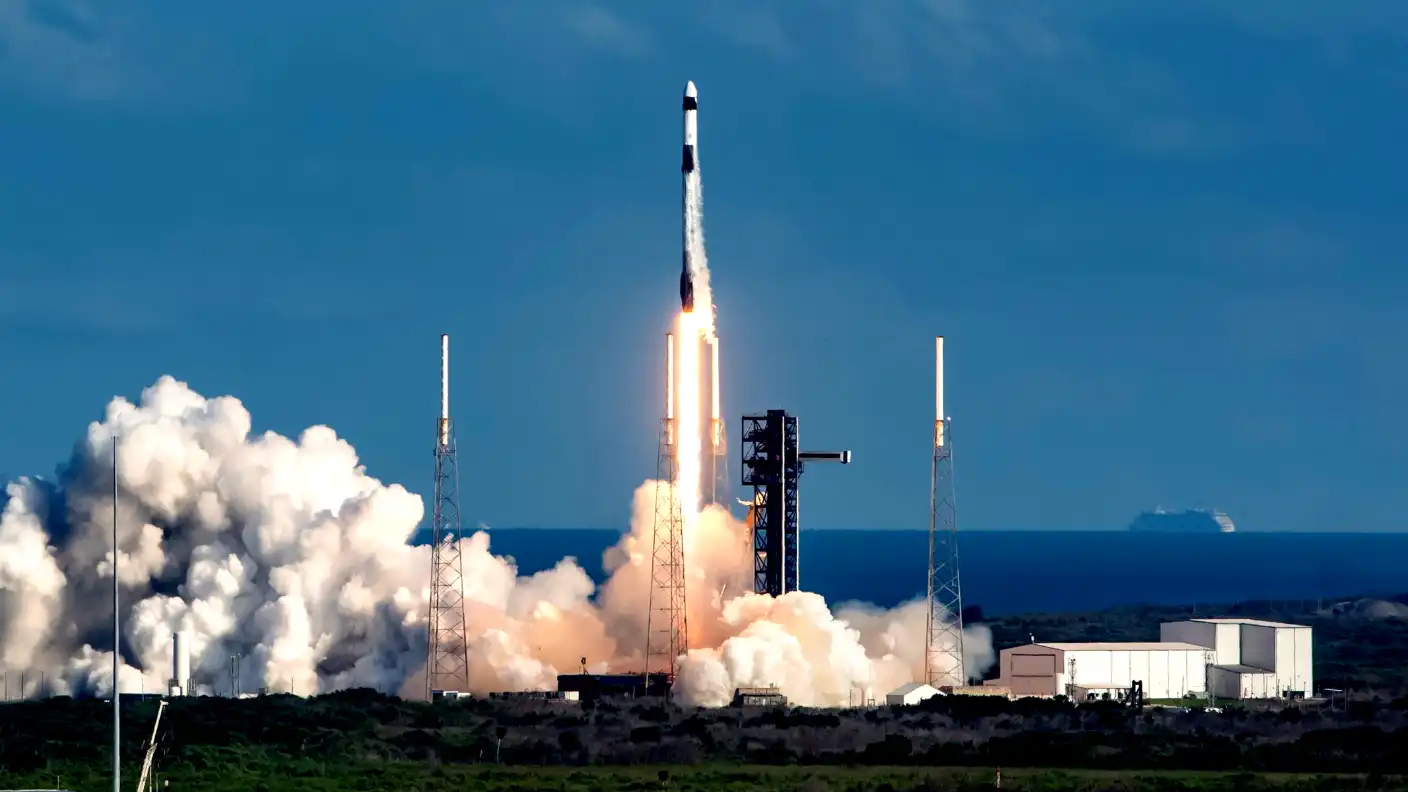
SpaceX’s highly anticipated initial public offering has drawn more than $70 billion in orders from retail investors as the aerospace giant prepares for its historic public debut. This massive surge in individual demand has positioned the transaction to become the largest stock market listing on record, eclipsing previous historic debuts by a substantial margin. Every day, investors have flooded the order books, demonstrating a massive, unprecedented level of interest in owning a stake in the world’s leading private space, communications, and artificial intelligence company.
Individual investors are set to receive at least 20% of the available shares. Based on the planned $75 billion base size of the offering, a 20% allocation would translate to roughly $15 billion in stock for retail accounts. Because retail orders have already surged past $70 billion, this limited allocation means that the vast majority of retail demand will remain completely unmet. Brokerage firms expect to scale back individual share allocations, returning billions of dollars in unallocated subscription capital to disappointed retail investors.
Despite the jaw-dropping demand, underwriters expect the offering terms to remain unchanged. SpaceX plans to sell 555.6 million shares at a fixed price of $135 per share. The massive transaction will raise approximately $75 billion in fresh capital, valuing the Elon Musk-led enterprise at around $1.8 trillion based on outstanding shares. To put this into perspective, the raise is more than two and a half times larger than Saudi Aramco’s $29 billion listing in 2019, which previously held the record for the world’s largest IPO.
The retail frenzy mirrors equally staggering demand from larger institutional players. The rocket and satellite communications company has received orders from approximately 1,000 institutional investors. Total institutional demand reportedly reached a staggering $193 billion before banks closed the subscription books, making the overall institutional offering more than four times oversubscribed. This intense buying pressure from pension funds, sovereign wealth funds, and mutual funds ensures the stock debuts with immense institutional backing.
While domestic investors account for the bulk of demand, SpaceX has carefully managed its international allocations to build a global shareholder base. The company plans to dedicate less than 10% of the IPO shares to international orders, keeping the vast majority of the equity within the domestic market. However, responding to robust demand from Asian markets, underwriters recently raised Japan’s allocation to $2.5 billion, up from an earlier target of $2 billion.
Investors are chasing more than just a rocket-launching operation. Following its merger with AI startup xAI earlier this year, SpaceX effectively operates across three distinct and highly lucrative segments: launch services, Starlink satellite internet, and artificial intelligence. While the launch division commands approximately 90% of the global commercial launch market share, underwriters project that the Starlink division will target 100 million subscribers and $140 billion in revenue by 2030, with the xAI division representing up to 70% of the company’s valuation by the end of the decade.
Major financial institutions have spent weeks preparing their trading systems to handle the unprecedented volume of trading on the Nasdaq debut of SPCX. To minimize post-listing volatility, Nasdaq amended its inclusion rules, shortening the waiting period for Nasdaq-100 membership from three months to just 15 trading days for mega-cap IPOs. This means passive index-tracking funds will have to buy the stock within weeks of its listing, creating a massive wave of mandatory buying that could cushion the share price against early insider-selling pressure.
The massive scale of the SpaceX public offering has officially re-energized the global initial public offering market, which has endured several sluggish years. By demonstrating that public markets have the depth to absorb a trillion-dollar technology giant, SpaceX has paved the way for other highly valued private companies, such as Anthropic and OpenAI, to initiate their own public listing processes. As the stock begins trading, the success of this monumental listing will dictate whether the retail-driven market frenzy can sustain a long-term upward trajectory.