Key Points:
- Spirit Airlines shut down completely on Friday, becoming the first major United States airline to liquidate financially since 2001.
- Flight NK1833 from Detroit to Dallas landed shortly after midnight to close out the final chapter of the budget carrier.
- Bank of America expects the commercial aerospace industry to absorb the shock easily as new airlines quickly take over the empty aircraft.
- Lessors own 76% of the fleet, and these companies will take their planes back, while bankruptcy courts will sell the remaining 24%.
Spirit Airlines permanently closed its doors and began winding down its operations this Friday. The troubled budget carrier finally collapsed after battling deep financial problems for several years. According to a new report from Bank of America, this shutdown marks a historic moment in modern aviation. Spirit becomes the very first major airline in the United States to liquidate completely for financial reasons since Midway Airlines collapsed shortly after the September 11 attacks in 2001.
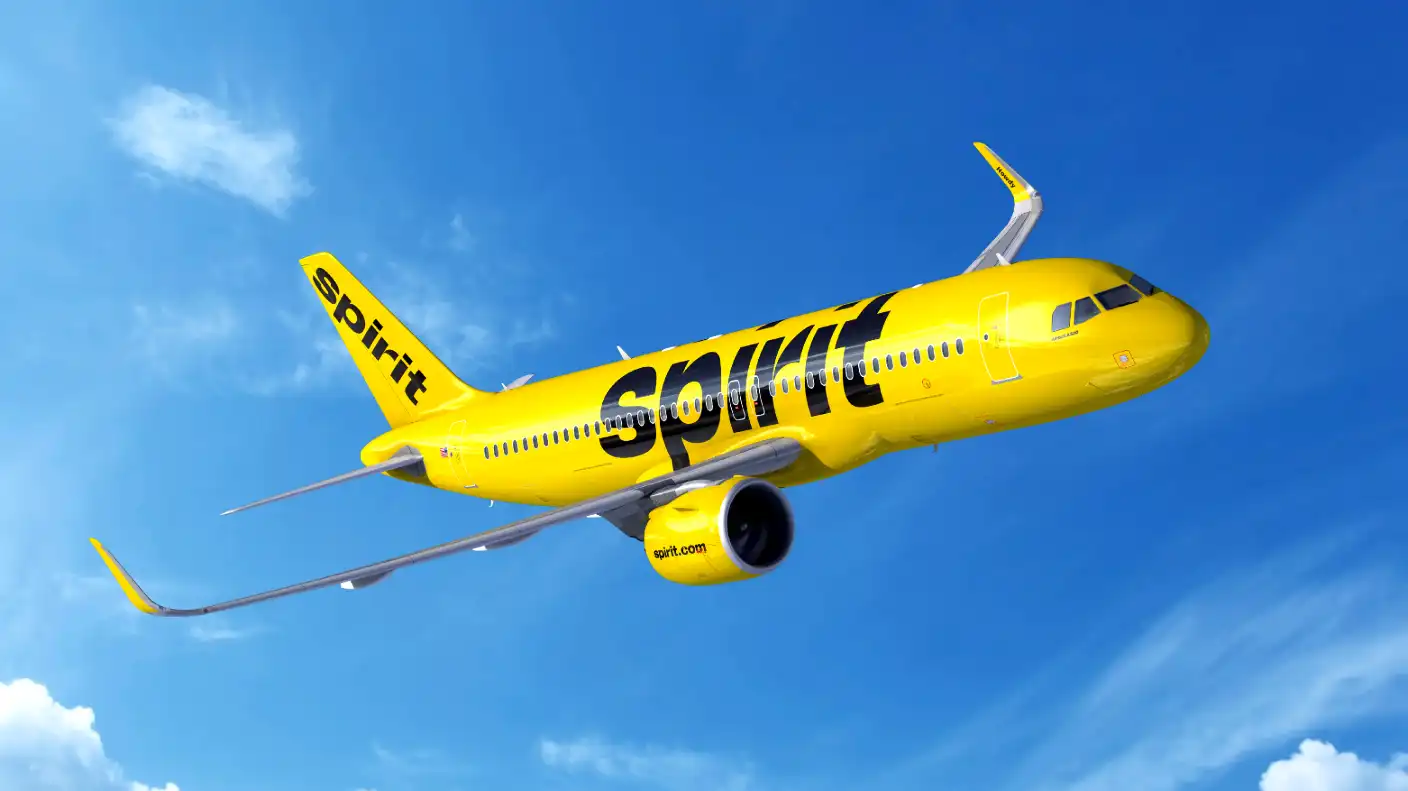
The final chapter of the bright yellow airline ended quietly under the cover of darkness. Spirit flight NK1833 took off from Detroit and touched down in Dallas shortly after midnight on Friday. When the wheels hit the tarmac at Dallas-Fort Worth International Airport, the airline officially ceased all flight operations. The sudden closure stranded thousands of travelers across the country and left thousands of employees looking for new jobs in a tough industry.
Despite the immediate chaos at airport terminals, Wall Street analysts see a relatively calm future for the broader market. The Bank of America report stated that the liquidation of Spirit Airlines will cause minimal disruption to the commercial aerospace industry. Analysts point out that competing airlines desperately need airplanes right now. They expect other carriers to snap up the empty Spirit aircraft very quickly.
Spirit actually began shrinking long before it finally filed for liquidation. Back in 2024, the airline operated a robust fleet of approximately 230 aircraft. However, mounting debt forced executives to downsize rapidly. By early 2026, Spirit flew only 125 active airframes. The airline originally planned to cut that number even further. During earlier bankruptcy negotiations, management wanted to reduce the active fleet to 76-80 planes by the third quarter of 2026.
The leftover fleet consists almost entirely of narrowbody Airbus planes. Spirit primarily flew A319ceo, A320ceo, A320neo, A321ceo, and A321neo variants. When the company filed for its second bankruptcy in August 2025, it still operated 214 aircraft. Those planes boasted a very young average age of just 5.5 years. The breakdown showed that 57.5% of the fleet featured the newer and more fuel-efficient neo models, while older ceo-family jets made up the remaining 42.5%.
Most people assume airlines own their planes, but Spirit actually rents the vast majority of its fleet. Leasing companies owned approximately 76% of the aircraft that Spirit flew every day. The airline itself owned a mere 24% of its active jets. A massive leasing company, AerCap, held the top spot as Spirit’s largest landlord. SMBC Aviation Capital and Jackson Square Aviation followed closely behind as the next largest lessors.
The bankruptcy proceedings triggered complex deals between the dying airline and these massive leasing firms. During the court process, AerCap actually paid Spirit $150 million. In exchange for this large cash payment, Spirit agreed to reject 27 separate airplane leases and settle all outstanding financial claims. Moving beyond the AerCap deal, Spirit separately filed legal motions to reject 87 additional leases across several different leasing companies.
Now that the airline no longer exists, the remaining airplanes face two different paths. The massive leasing companies will immediately take back the 76% of the fleet that they legally own. They will then turn around and lease those same Airbus jets to competing airlines like Frontier, JetBlue, or Delta. The 24% of the fleet that Spirit actually owned faces a more complicated journey. Those specific planes become official assets of the bankruptcy estate. A court-appointed team will sell those owned planes to the highest bidder to help pay off the massive debts Spirit left behind.
Before any of these airplanes take to the skies for a new company, they require significant physical updates. Competing airlines will not fly planes painted in the famous bright yellow used by Spirit. Maintenance crews must strip the paint and apply new corporate logos. Mechanics will also tear out the uncomfortable budget seats and install new interior cabins to match the standards of the new operators. Aviation maintenance shops anticipate a busy season ahead as they prepare these stranded jets for their next big adventure.