Key Points:
- Dr. Anwar Gargash warned at the GLOBSEC conference that the crisis in the Strait of Hormuz directly threatens European energy and trade.
- The UAE diplomatic adviser revealed that about 3,300 missiles and drones targeted the country over a span of 40 days.
- Only about 4% of the incoming aerial attacks penetrated the United Arab Emirates’ highly advanced air defenses.
- Gargash urged European nations to safeguard their trade interests and defend free navigation without entering an active war.
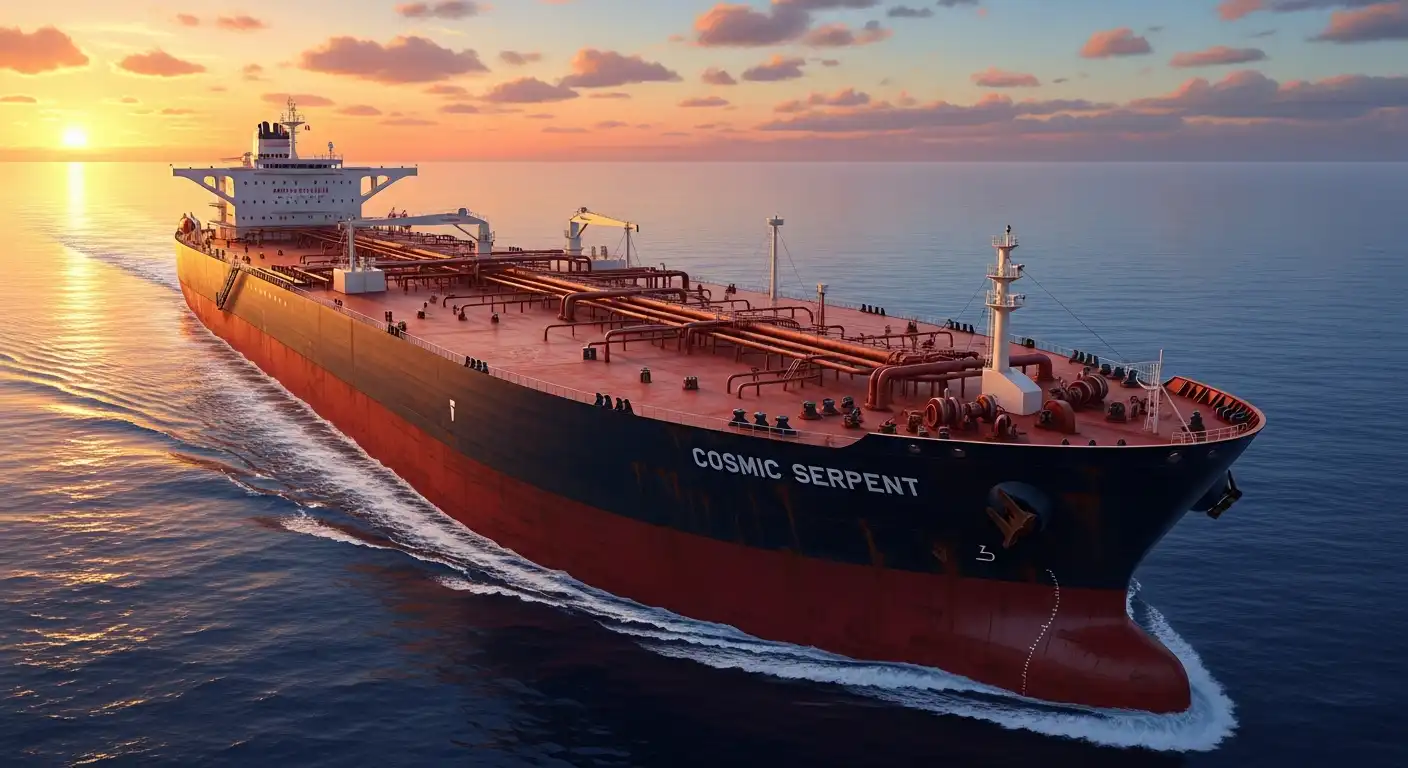
Disruptions in the Strait of Hormuz and growing instability in the Gulf pose a direct challenge to European energy supply lines and global trade, a top diplomatic adviser to the United Arab Emirates president warned. Dr. Anwar Gargash delivered this stark warning during the GLOBSEC conference in Prague, urging European governments to stop viewing the conflict as a distant regional issue. Because Europe relies heavily on the shipping lanes that pass through the Middle East, any threat to free navigation in the strait directly impacts Western trade and energy security.
The current crisis did not emerge overnight in 2026. According to Gargash, the seeds of discontent in the international system and the Middle East have been growing for a long time. The recent war involving Iran has produced wider instability across the region, which has led to attacks on Gulf infrastructure, increased pressure on crucial shipping routes, and raised severe threats to global trade flows. Because a significant portion of the world’s daily energy supplies passes through the Strait of Hormuz, the waterway has become a vital focal point of the overall conflict.
During his address, Gargash described Iran as a much-weakened state today, but noted that the country still possesses dangerous capabilities. He revealed the unprecedented scale of the aerial attacks launched against the United Arab Emirates during the peak of the conflict. Over a period of 40 days or more, approximately 3,300 missiles and drones targeted the UAE. This intense barrage represented a worst-case scenario for the country’s national security, forcing its military systems to operate under maximum stress.
Despite the massive scale of the bombardment, the UAE’s advanced air defense systems successfully intercepted almost all incoming threats. Gargash revealed that only about 4% of the 3,300 missiles and drones managed to penetrate the country’s defensive umbrella. This high interception rate highlights the success of modern defense technologies and radar systems. The successful defense of UAE airspace prevented catastrophic damage to local population centers and kept the nation’s core economic foundations resilient.
The UAE presidential adviser praised the international support his country received during the peak of the attacks. He specifically thanked France and Greece for providing crucial backing when the country faced Iranian aerial assaults. This defense cooperation proved vital in maintaining stability in the Gulf and protecting critical commercial infrastructure, such as desalination plants, transport hubs, and local energy facilities.
With European governments facing renewed concerns over supply chain resilience, Gargash called for greater European engagement in safeguarding regional navigation routes. He clarified that the UAE is not asking European nations to deploy troops or get involved in an active military conflict. Instead, he urged European capitals to protect their own national interests by supporting maritime security operations that ensure the free flow of goods and energy through the strait.
The economic fallout of a prolonged blockade in the Strait of Hormuz could be devastating for Europe’s industrial sectors. Economists estimate that a complete closure of the waterway would instantly disrupt up to 20% of the world’s liquefied natural gas and crude oil shipments, potentially driving global energy prices up by 15% or more. Such a price spike would fuel inflation across the European Union, dragging down GDP growth and forcing central banks to raise interest rates even further.
Ultimately, Gargash argued that military action alone cannot secure the region over the long term. He emphasized that global powers must pursue a diplomatic and political solution that avoids further military confrontations. He urged international leaders to dig deep and address the root causes of instability in the Gulf to build a secure environment where commercial shipping can navigate safely without the constant threat of aerial attacks.