

Key Points:
- The diplomatic agreement to reopen the Strait of Hormuz faces severe logistical and technical obstacles.
- High maritime war risk insurance premiums of up to 1.5 percent keep shipowners from returning.
- Navies must clear underwater mines and physical wreckage before commercial traffic can safely resume.
- Kpler shipping data confirms only five commercial vessel crossings since the ceasefire announcement.
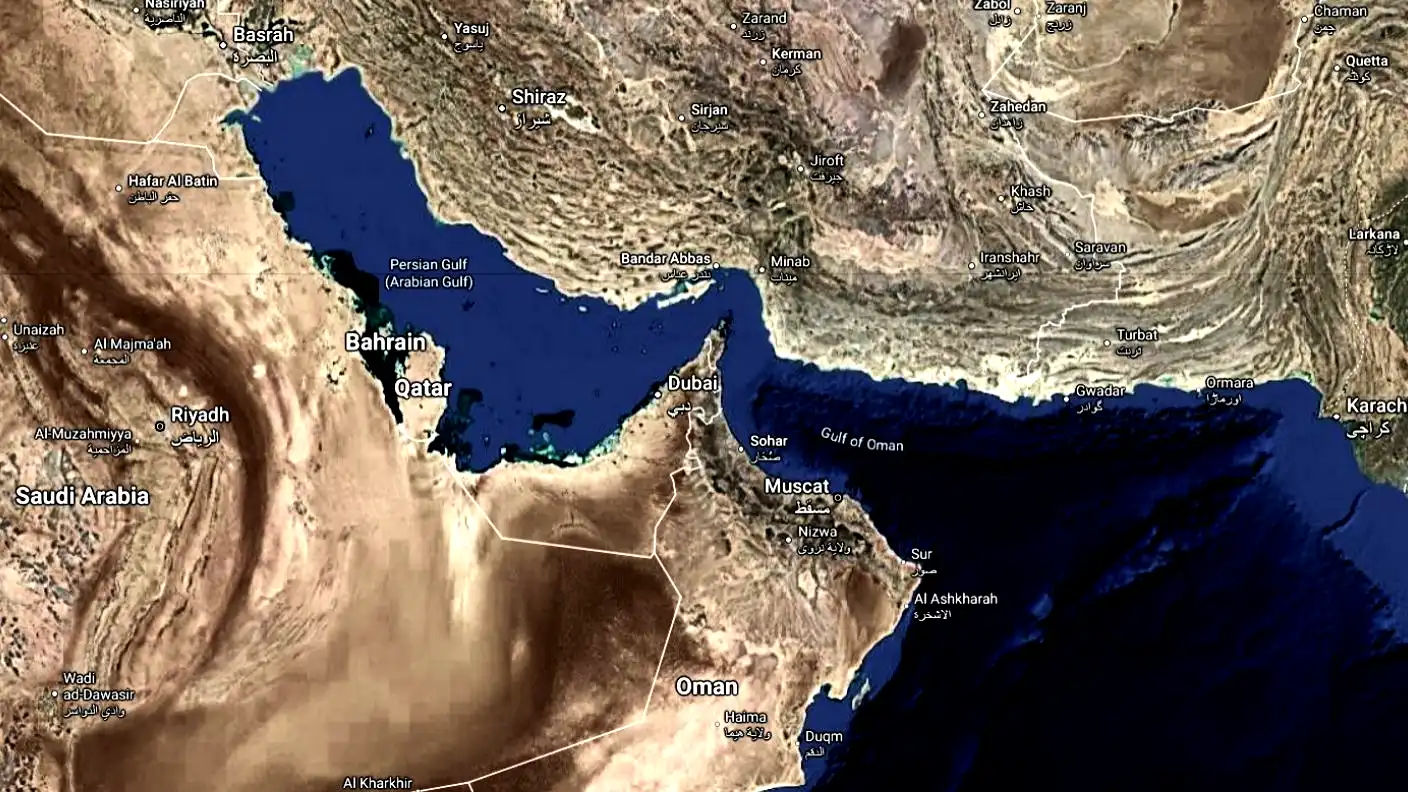
Strait of Hormuz Reopening plans face severe technical and logistical hurdles, demonstrating that declaring the vital waterway open is far easier than actually restarting commercial shipping traffic. Following the recently announced preliminary peace agreement between the United States and Iran, global markets reacted with immediate, near-record optimism. However, energy analysts and maritime logistics experts warn that the physical recovery of the world’s most critical oil chokepoint will require considerable time. While political leaders have declared an end to the 107-day war, the shipping industry remains in a defensive holding pattern as it waits for real-world security on the water.
The most immediate obstacle to resuming normal maritime trade is the presence of physical hazards throughout the narrow passage. During the intense military conflict, both warring sides deployed naval mines, while numerous drone and missile strikes damaged or sank several large commercial tankers. Before massive, high-capacity crude carriers can safely navigate the strait, international naval coalitions must execute a comprehensive, high-risk de-mining operation. Sweeping the shipping channels for underwater explosives and locating half-submerged wreckage is a slow, painstaking engineering task that will likely take weeks to complete.
Even if navies declare the shipping lanes physically clear, commercial shipowners cannot realistically resume operations under current financial conditions. During the height of the Middle East conflict, maritime war risk insurance premiums for transit through the Persian Gulf skyrocketed to a prohibitive peak of 1.0% to 1.5% of a vessel’s total hull value. This massive premium can add up to $1 million in extra insurance costs for a single voyage. Additionally, international underwriters will likely maintain high maritime war-risk insurance premiums until they can verify the permanent stability of the ceasefire, delaying the return of hundreds of stranded tankers to active service.
This cautious industry stance is already visible in real-time maritime tracking databases. Recent shipping data compiled by the energy intelligence firm Kpler showed no discernible uptick in commercial shipping activity through the vital chokepoint, with only five confirmed vessel crossings recorded since the peace announcement. Analysts at the data firm confirmed that while public reports indicate an initial agreement, key operational questions remain completely unresolved. These outstanding hurdles include transit security, local navigation fees, and safe passage arrangements, forcing shipowners to wait on the sidelines.
The reluctance to return reflects a wider lack of trust in the durability of the temporary ceasefire, which currently extends the peace window by only 60 days. Industry groups note that companies that shut down their production and rerouted their fleets will not risk their multi-million-dollar assets on a fragile political promise. Maritime strategists emphasize that shipowners want to see a stable, durable peace that lasts more than 30 or 60 days before they commit to expensive, long-term routing changes. Without these concrete security guarantees, most operators will continue to use the longer, more expensive route around the Cape of Good Hope.
The human element also presents a major, often overlooked challenge to normalizing shipping traffic. International seafarer unions have actively warned that many crews are refusing to sail through the Persian Gulf due to the lingering psychological trauma of recent drone and missile attacks on merchant vessels. During the conflict, multiple ship crews had to abandon their burning vessels or face armed boardings. Additionally, to convince highly skilled mariners to return to these high-risk waters, shipping lines must negotiate substantial hazard-pay premiums and provide verifiable proof of military escort protection, further inflating operational expenses.
Even if shipping lines successfully overcome these maritime bottlenecks, the actual supply of Middle Eastern oil will require significant time to recover. Restarting oil wells that operators shut in during the conflict is a highly complex, slow technical process. While countries like Saudi Arabia can quickly restart production because they utilized alternative pipeline bypasses, others face a much more difficult path. Energy analysts at Wood Mackenzie estimate that Iraq, which had to implement massive, near-total shut-ins, will require about a year to bring its crude oil production back to pre-war levels, limiting the immediate volume of oil available for export.
The struggle to restart shipping traffic through the Strait of Hormuz highlights the permanent damage that geopolitical conflicts inflict on global supply chains. By proving that a political declaration of peace does not automatically translate into immediate physical trade, the shipping logjam serves as a stark warning to both central banks and consumers. Rebuilding the physical, financial, and political infrastructure of the global energy supply chain requires meticulous, long-term coordination. Until the formal signing ceremony on Friday establishes a durable security framework, the world must continue to navigate a highly volatile, high-cost energy landscape.






