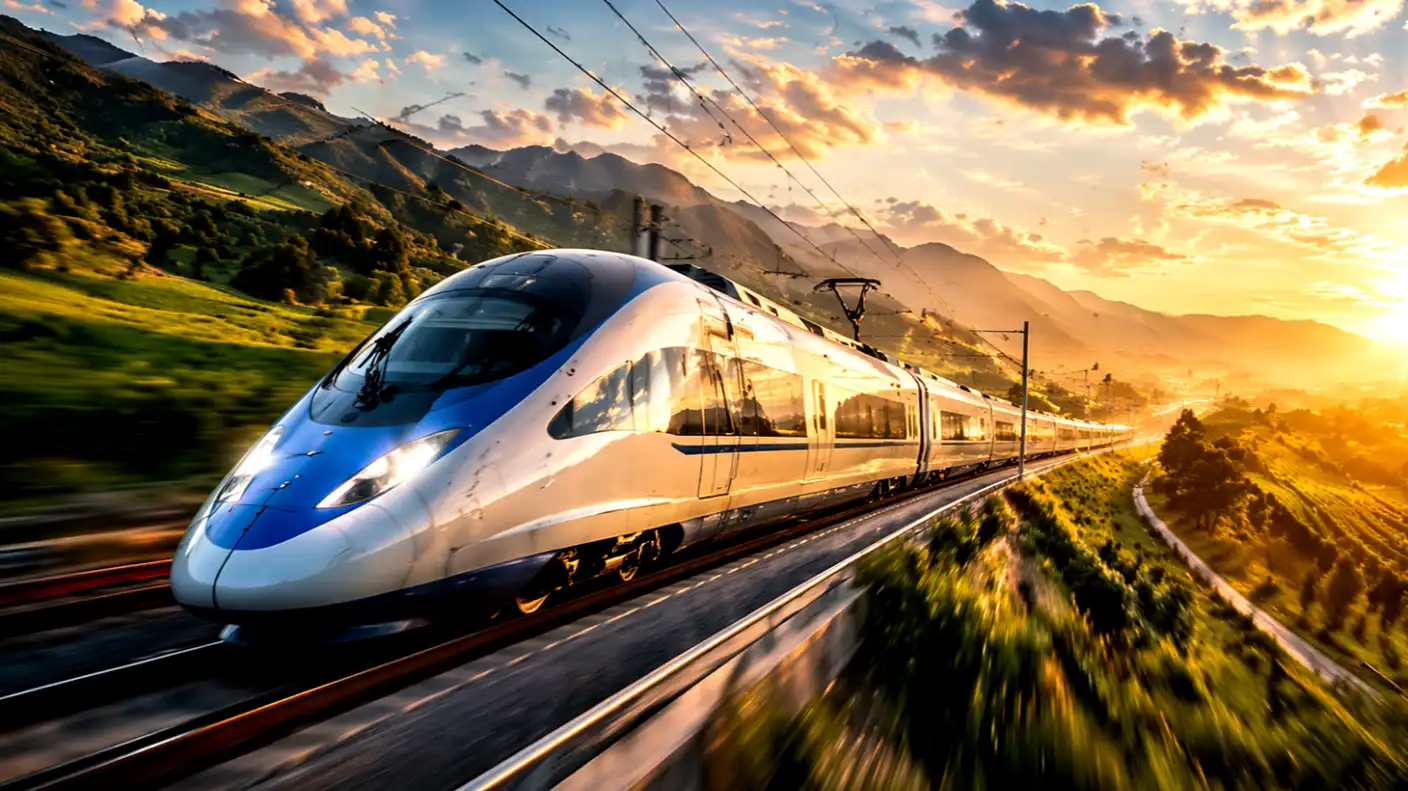
The physical transportation backbone of Taiwan is entering a high-growth phase. On Saturday, August 15, 2026, the first of Taiwan’s next-generation high-speed bullet trains officially arrived at the Port of Kaohsiung in southern Taiwan, shipped directly from Hitachi’s Kasado Works in Yamaguchi Prefecture, Japan. This landmark delivery represents the first tangible milestone under a massive 124 billion Japanese yen (approximately $761 million) contract signed in May 2023, signaling a major technological upgrade for the island’s high-speed rail network.
The new fleet, designated as the N700ST series, is manufactured by the Japan-based Hitachi-Toshiba Supreme Consortium. The contract covers the delivery of 12 complete trainsets, totaling 144 individual passenger cars, designed to replace and supplement the older 700T series trains that have operated since the high-speed line first opened. By introducing these advanced, next-generation bullet trains, the Taiwan High Speed Rail Corporation wants to increase its peak-hour passenger capacity by approximately 25%, providing a vital capacity boost to support the island’s rapidly expanding western economic corridor.
The arrival of the first trainset represents more than just a standard industrial delivery. It marks the successful resolution of a multi-year, highly contentious negotiation deadlock between Taiwanese transit authorities and Japanese exporters. By securing this advanced fleet, Taiwan is cementing its long-standing, multi-decade technological alliance with Japan, ensuring that its high-speed rail system remains one of the most efficient, punctual, and technologically advanced transit networks in the world.
Resolving the Four-Year Deadlock: The Economics and Negotiation Behind the Deal
The path to securing the N700ST contract was exceptionally challenging. It required both parties to navigate severe pricing disagreements, administrative delays, and changing macroeconomic conditions over a four-year period.
The Pricing Friction and Failed Bidding Rounds
The procurement process for the new high-speed fleet officially began in 2019, as the rail operator realized it needed to expand its capacity to accommodate a steady, year-on-year rise in passenger volumes. However, the initial negotiations quickly ran into a severe, multi-year deadlock. Two consecutive public bidding rounds failed through 2021 because the Japanese consortium quoted an exceptionally high price of approximately NT$5 billion (nearly $155 million) per individual trainset.
The rail operator rejected this initial quote as completely excessive and disconnected from market realities. The Japanese consortium defended its high pricing, explaining that the quote represented a comprehensive, turn-key industrial package.
This package covered not just the raw manufacturing of the rolling stock, but also extensive project management, custom engineering, and the integration of highly complex electrical and safety systems.
Furthermore, because Taiwan’s high-speed rail network utilizes a unique 12-car train configuration, which differs from the standard 16-car trains operated on Japan’s Tokaido Shinkansen lines, the manufacturers had to fund custom design and engineering modifications, driving up production costs.
How the Yen Depreciation and Pandemic Realignment Closed the Gap
Faced with this pricing standoff, the rail operator explored alternative international suppliers, including major high-speed rail manufacturers in Europe. However, because the existing Taiwanese infrastructure—including the signaling systems, track beds, and central dispatch networks—was built entirely on Japanese Shinkansen technology, switching to a European supplier would have required a massive, multi-billion-dollar overhaul of the entire network.
Recognizing these physical and financial limitations, the operator chose to return to the negotiating table with the Japanese consortium.
Several factors eventually broke the deadlock, leading to the successful contract signing in May 2023.
The prolonged negotiations coincided with a historic, sustained depreciation of the Japanese yen, which significantly reduced the real cost of the 124 billion yen contract when converted into New Taiwan Dollars.
This currency shift, combined with compromises on project management scopes and long-term maintenance agreements, successfully narrowed the pricing gap, allowing both parties to close the deal and secure the future of the island’s high-speed rail network.
Inside the N700ST: Next-Generation Shinkansen Technology
The newly arrived N700ST series represents the absolute cutting edge of Japanese high-speed rail technology. It has been customized specifically to meet the unique operational requirements and geological challenges of the Taiwanese environment.
Technical Specifications of the Three-Hundred-Meter Bullet Train
The N700ST is based on the advanced N700S platform, which is the latest, most sophisticated Shinkansen model operated by the Central Japan Railway Company. Each 12-car trainset stretches approximately 300 meters in length and is designed to operate at a maximum commercial speed of 300 kilometers per hour.
This high speed allows the train to cover the 350-kilometer western corridor between Taipei in the north and Kaohsiung in the south in under 100 minutes, making high-speed rail highly competitive with regional aviation.
The exterior of the train features a sleek, predominantly white front-end design, combined with a bold orange accent—which is the corporate color of the rail operator—and a classic black line that pays tribute to the existing 700T fleet.
The interior of the passenger cars has been completely redesigned to maximize rider comfort. Standard class cars feature advanced reclining seats with linked seat cushions that adjust automatically as the passenger reclines, while business class cars incorporate luxurious, wraparound seating designed to create a quiet, refined working environment for business travelers.
Silicon Carbide Traction and Blower-less Cooling Systems
Beyond passenger comfort, the N700ST incorporates several major technological innovations designed to lower operating costs and reduce energy consumption. The train’s traction system utilizes advanced silicon carbide (SiC) power semiconductor devices, which are paired with an innovative, blower-less cooling system.
This advanced design allows the onboard electrical equipment to be significantly smaller and lighter than the systems used on the older 700T fleet, resulting in a substantial 13-tonne weight saving per trainset.
This weight reduction, combined with a flatter, more aerodynamic lead car design that reduces wind resistance when entering tunnels, makes the N700ST approximately 7% more energy-efficient than previous models.
The improved aerodynamics and active suspension systems also reduce interior cabin noise levels by an impressive 10%, ensuring a smooth, whisper-quiet journey for passengers.
For the rail operator, even a 1.5% improvement in energy efficiency can save millions of dollars in annual power expenses, making these technical upgrades highly valuable for long-term profitability.
Disaster Resilience: Toshiba’s SCiB Battery Backup System
Operating a high-speed rail network in Taiwan requires preparing for some of the most volatile and dangerous natural environments in the world. The island is highly vulnerable to severe typhoons and powerful, destructive earthquakes, which can instantly disrupt the electrical grid and strand passenger trains.
Navigating Natural Disasters in Cyberspace and Reality
The physical challenges of the region were clearly demonstrated during the shipping process itself. The departure of the first N700ST trainset from Japan’s Kasado Works was originally scheduled for August 6, 2026.
However, two consecutive regional typhoons—Typhoon Dolphin and Typhoon Chan-hom—forced port authorities to delay the ship’s departure until Tuesday, August 11, illustrating how deeply dependent the high-speed rail supply chain remains on physical weather conditions.
To protect passengers from these extreme natural threats once the trains enter service, the N700ST incorporates a highly advanced, redundant safety system.
The train is equipped with a self-propelled backup battery system utilizing Toshiba’s proprietary SCiB™ lithium-ion batteries.
These advanced batteries are celebrated for their rapid charging capabilities, long cycle lives, and exceptional thermal stability, making them highly reliable in extreme operating conditions.
Self-Propelled Emergency Evacuation Capabilities
In the event of a catastrophic power outage caused by a major earthquake or a severe grid failure, the main overhead electrical lines will instantly lose power, normally leaving a high-speed train stranded on the tracks.
If this shutdown occurs while the train is inside a long tunnel or on a high, elevated bridge, executing a passenger evacuation can be exceptionally difficult and dangerous.
The self-propelled SCiB™ battery system solves this emergency bottleneck.
If the overhead power is cut, the backup battery system instantly activates, providing enough electricity to propel the 300-meter-long train at a safe, low speed for up to 10 kilometers.
This self-propelled range allows the driver to safely steer the train out of dangerous tunnels, off elevated viaducts, and into the nearest passenger station, where emergency services can execute a safe, controlled evacuation.
The battery system also maintains essential onboard facilities—including emergency ventilation, cabin lighting, and vacuum restrooms—ensuring that passengers remain comfortable and safe throughout the emergency, establishing a new global benchmark for high-speed rail safety.
The Financial Roadmap: Impending Fare Hikes and Long-Term Profitability
The arrival of the new N700ST fleet has also initiated a major, high-stakes discussion regarding the long-term financial strategy and pricing structure of the high-speed rail network.
The First Fare Increase in Twenty Years Under Consideration
During the official arrival ceremony at the Port of Kaohsiung, the Chairman of the rail corporation, Shih Che, delivered a significant address regarding the future of the company’s tariff structure. He indicated that following the successful integration and testing of the first new trainset, the company will begin formal, internal discussions regarding its first passenger fare increase in twenty years.
The rail operator has kept its ticket prices virtually unchanged since it first opened for commercial service in 2007.
While this stable pricing has made high-speed rail highly popular and accessible to the public, driving annual ridership past 82 million passengers in 2025, it has also put immense pressure on the company’s financial margins.
With operating costs, electricity rates, and labor expenses rising steadily over the past two decades, the company must eventually raise fares to fund its massive, multi-billion-dollar infrastructure upgrades, including the 124 billion yen contract for the new Japanese bullet trains.
Safeguarding Accessibility and the 2028 Implementation Timeline
Recognizing that a sudden, sharp fare increase could trigger public backlash and hurt consumer confidence, Chairman Shih Che reassured the public that any potential price adjustment would be handled with extreme care and discipline.
The chairman clarified that enhanced passenger safety, superior comfort, and increased capacity were absolute, non-negotiable preconditions before the company could legally implement any fare adjustment.
Furthermore, even if the board decides to move forward with a fare hike, the price increase will not take effect immediately.
The new tariff structure will only be implemented after all 12 of the new N700ST trainsets have been delivered, tested, and integrated into full commercial service, which is scheduled for completion by the end of September 2028.
This phased timeline ensures that any future fare increases are fully justified by a substantial upgrade in service quality, protecting the company’s brand reputation and ensuring that the high-speed rail network remains the preferred, affordable choice for the millions of travelers who depend on it daily.
Powering the Island’s Future
The successful arrival of the first next-generation N700ST high-speed bullet train in Kaohsiung represents a historic milestone for Taiwan’s national infrastructure and economic development. By utilizing its advanced, customized Shinkansen technology, the new fleet will successfully increase peak-hour passenger capacity by approximately 25%, providing a vital capacity boost to support the island’s high-growth western economic corridor.
While the project has had to navigate four years of difficult, deadlocked pricing negotiations and recent typhoon delays, the close partnership between the rail operator and the Japan-based Hitachi Toshiba Supreme Consortium has established a highly resilient, well-funded platform.
As the first trainset enters its rigorous, multi-stage testing phase at the Yanchao depot, and as policymakers prepare for the future integration of the remaining 11 trains, this advanced rolling stock will ensure that the high-speed rail network remains the undisputed, high-speed backbone of the Taiwanese economy, powering connectivity, industrial innovation, and sustainable tourism for decades to come.