Key Points:
- Wholesale UK electricity prices fell below zero for the first time since late April.
- Strong wind and solar output are set to flood the grid, outstripping national demand.
- Grid bottlenecks mean operators must pay Scottish wind farms to shut down to prevent oversupply.
- The rise of negative hours is driving rapid private investment in utility-scale battery storage.
Wholesale electricity prices in the United Kingdom fell below zero for the first time since late April, as a massive wave of wind and solar generation prepared to flood the national power grid. This downward price plunge highlights the growing challenges of integrating intermittent renewable energy into a system originally designed for fossil-fuel baseload generation. As clean energy output outstrips domestic demand, the grid operator must manage massive supply gluts, highlighting the urgent need for infrastructure upgrades and battery storage solutions.
Negative power prices occur when the supply of cheap, subsidized renewable electricity far exceeds the total demand on the grid. During these periods, wholesale electricity prices drop below zero, meaning that generators must actually pay the grid or large-scale consumers to take their excess electricity. For consumers enrolled in flexible, smart-meter-linked tariffs, these events turn electricity usage into a profitable activity, allowing them to charge electric vehicles and run home appliances for free or even receive a small credit on their utility bills.
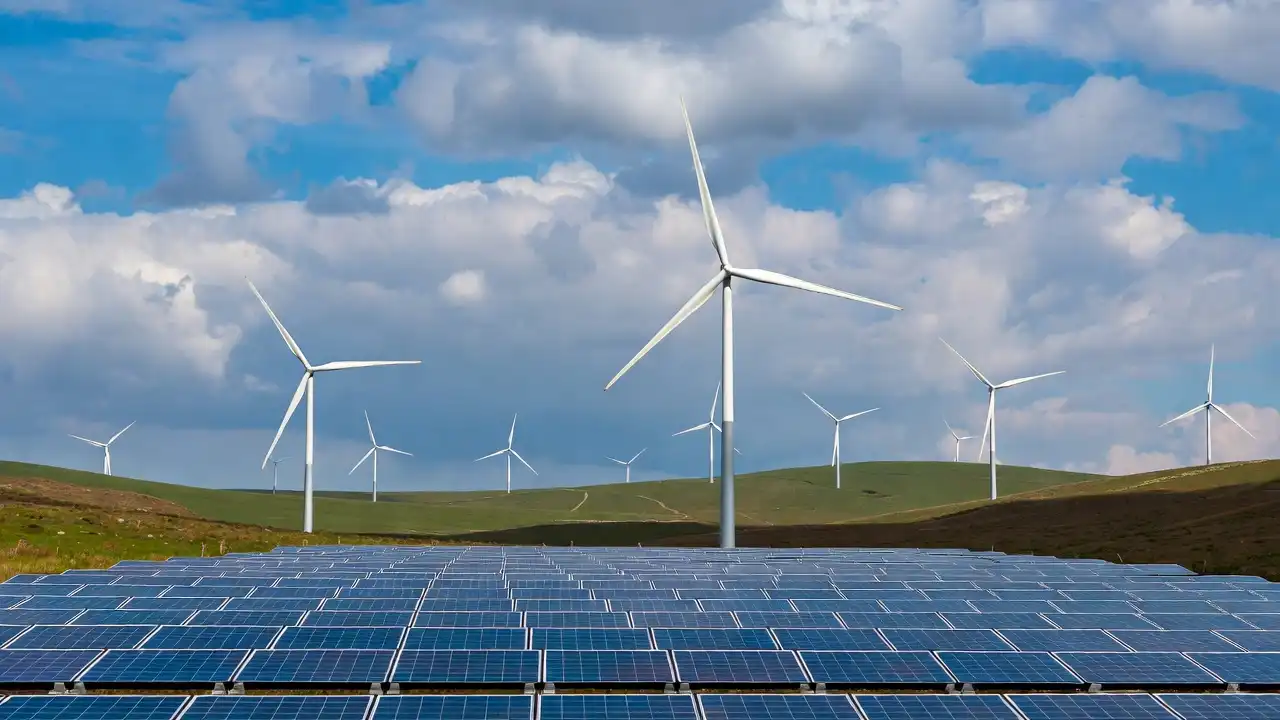
This week’s pricing slump stems from a highly favorable combination of strong winds across Scotland and clear, sunny conditions over England and Wales, which sent both wind and solar generation to near-record levels. According to grid operator models, total wind output alone is expected to reach 20 to 24 gigawatts, meeting over three-quarters of the country’s electricity demand. This massive clean energy surge easily pushes expensive, gas-fired power stations out of the mix, but also threatens to overwhelm transmission lines.
The sheer volume of clean energy highlights severe structural bottlenecks within the British transmission network. The vast majority of the country’s onshore and offshore wind turbines are located in Scotland and the far north, while the largest population centers are in southern England. Because the existing grid infrastructure cannot handle the massive transfer of electricity from north to south, the National Energy System Operator must routinely pay northern wind farms to shut down. These curtailment payments cost the British public hundreds of millions of pounds annually, as gas-fired plants in the south are simultaneously paid to fire up to meet local demand.
The rising frequency of negative pricing events also introduces significant financial risks for renewable energy developers, particularly under newer government subsidy programs. While older projects received guaranteed payments regardless of market conditions, newer initiatives operating under the government’s Contracts for Difference (CfD) framework from Allocation Round 4 onwards face strict limits. Under these updated rules, developers do not receive any subsidy payments when the Intermittent Market Reference Price falls below zero, exposing them to direct market risks and encouraging them to find alternative ways to capture value.
To bypass these negative pricing penalties, developers are rapidly accelerating their investments in utility-scale battery energy storage systems (BESS). Battery installations can absorb excess, cheap electricity during negative-pricing gluts and discharge it back into the grid when demand recovers, and prices spike. This arbitrage capability not only protects renewable developers from financial losses but also provides the grid operator with the crucial localized flexibility needed to stabilize network frequency and reduce expensive curtailment costs.
This week’s negative pricing event is far from an isolated incident, reflecting a long-term structural trend in European energy markets. Data from independent energy analysts reveal that the number of negative pricing hours in Great Britain has steadily climbed over the past decade. The market recorded 155 hours of sub-zero pricing in 2024, representing a historic high. As the country races toward its Clean Power 2030 targets and accelerates reforms to connections, the frequency of these low-price intervals is set to climb even further, forcing a complete redesign of wholesale pricing mechanisms.
The overall transition has already begun to weaken the historically tight link between wholesale electricity prices and the cost of expensive imported natural gas. According to data from the Department for Energy Security and Net Zero, the share of hours where gas sets the price of power in Great Britain has fallen from more than 90% in 2021 to around 60% today. While the country remains vulnerable to global energy shocks triggered by geopolitical conflicts in the Middle East, the rapid growth of domestic wind and solar power is gradually insulating the national economy from fossil-fuel volatility.
The return of negative power prices in Great Britain serves as both a celebration of technological success and a warning of infrastructural deficit. While the rapid expansion of wind and solar capacity demonstrates the viability of the clean energy transition, the grid’s inability to absorb this low-cost power underscores the urgent need for massive grid modernization. To fully unlock the economic benefits of abundant, zero-emission electricity, policymakers and grid operators must prioritize battery storage deployments, regional transmission upgrades, and flexible pricing structures that reward consumers for matching their demand to the clean energy harvest.