The United States government is exerting intense diplomatic pressure on member nations of the Group of 20 major economies to formally confront global macroeconomic imbalances, placing China’s surging $1.2 trillion trade surplus at the center of international economic policy. During high-level negotiations at the G20 finance ministers and central bank governors summit in Asheville, North Carolina, American officials pushed for explicit commitments in the group’s joint communique to eliminate structural current account disparities that threaten the stability of global commerce.
The American diplomatic offensive reflects an urgent reality in global trade. While aggressive unilateral tariffs and selective trade embargoes implemented by Washington have walled off the American consumer market—slashing the direct United States bilateral trade deficit with China by one-third in the first six months of the year down to $73.9 billion—Chinese manufacturing overcapacity has not slowed down. Instead, state-subsidized factory production has rerouted into third-party markets across Europe, Latin America, and Southeast Asia, depressing local industrial prices, displacing factory workers, and stoking geopolitical tensions.
United States Treasury Secretary Scott Bessent and senior economic policymakers warned international finance ministers that the global economy cannot sustain an export-led survival strategy from the world’s second-largest economy. By lobbying G20 partners to re-examine their bilateral terms of trade and consider erecting coordinated defensive barriers, Washington is attempting to build a unified multilateral front. The objective is to force Beijing to abandon state-directed manufacturing subsidies and implement structural domestic reforms that boost household purchasing power, ensuring that global trade operates on balanced, reciprocal foundations.
A Diplomatic Crusade for Global Trade Rebalancing in Asheville
The gathering of G20 finance leaders in the mountain city of Asheville represents a strategic arena for American international economic policy. Bringing together finance ministers and central bank governors representing 85% of global economic output and 75% of global trade, the forum serves as the primary steering body for macroeconomic coordination.
The American delegation arrived with a clear, singular objective: shifting the multilateral conversation away from passive macroeconomic monitoring toward active, coordinated trade rebalancing.
American officials argued that historical trade models built on free-market assumptions break down when competing against state-directed economies that deploy unlimited public capital to dominate strategic manufacturing sectors.
By insisting that the final summit communique include strong language on global trade imbalances and industrial overcapacity, Washington is challenging traditional allies and emerging economic powerhouses to take a definitive stand. The United States maintains that failing to address trade distortions today will result in permanent industrial de-industrialization across democratic economies tomorrow.
Unpacking the US Drive for a Binding G20 Joint Communique
Drafting the official G20 communique is traditionally a contentious exercise in diplomatic negotiation. Every sentence requires unanimous consensus among diverse member states with competing economic interests, including the United States, Germany, Japan, India, Brazil, and China.
The American negotiating team is pushing for specific, binding language in the Asheville declaration:
- Explicitly recognizing that persistent, multi-hundred-billion-dollar current account surpluses undermine global macroeconomic stability.
- Acknowledging that state-directed industrial subsidies and structural excess manufacturing capacity distort international pricing mechanisms.
- Committing member nations to evaluate their trade policies and implement targeted safeguards against subsidized import dumping.
- Urging surplus economies to enact comprehensive domestic economic reforms that stimulate consumer household demand and reduce reliance on external export markets.
While Chinese delegates have pushed back against the proposals, accusing Washington of politicizing economic forums and promoting trade protectionism, American negotiators are building strong momentum among European, Latin American, and Asian partners who face identical industrial pressures.
Why Washington Identifies China’s $1.2 Trillion Surplus as a Systemic Threat
The primary quantitative foundation supporting the American position is the unprecedented expansion of China’s annual trade surplus, which has crossed the historic $1.2 trillion threshold. In macroeconomic theory, a persistent trade surplus of this magnitude reflects a severe domestic imbalance between domestic savings and domestic investment.
Treasury Secretary Scott Bessent outlined why this massive surplus poses a systemic threat to the global economy:
- China’s domestic economy remains constrained by a multi-year property sector crisis, high local government debt burdens, and weak retail consumer spending.
- Instead of deploying public capital to expand national social safety nets, fund healthcare, or distribute direct household stimulus, Beijing has channeled hundreds of billions of dollars in low-interest loans into export manufacturing.
- Chinese factories are generating massive surpluses of electric vehicles, advanced batteries, solar modules, industrial machinery, and petrochemicals that domestic consumers cannot afford to buy.
- Expecting international markets to absorb over $1.2 trillion in net industrial exports every year forces other nations to accept factory shutdowns and rising unemployment.
Bessent emphasized that the global trading system cannot tolerate a permanent, one-way export valve. He stated that other nations must establish defensive measures to give Beijing an inescapable financial incentive to balance its domestic economy.
The Economics of Export Diversion: Squeezing Europe, Latin America, and Asia
The core argument that the United States is presenting to G20 finance ministers centers on the phenomenon of trade diversion. When the United States enacted sweeping Section 301 tariffs, tightened customs enforcement, and banned Chinese-connected vehicle hardware, it successfully reduced direct American exposure to subsidized goods.
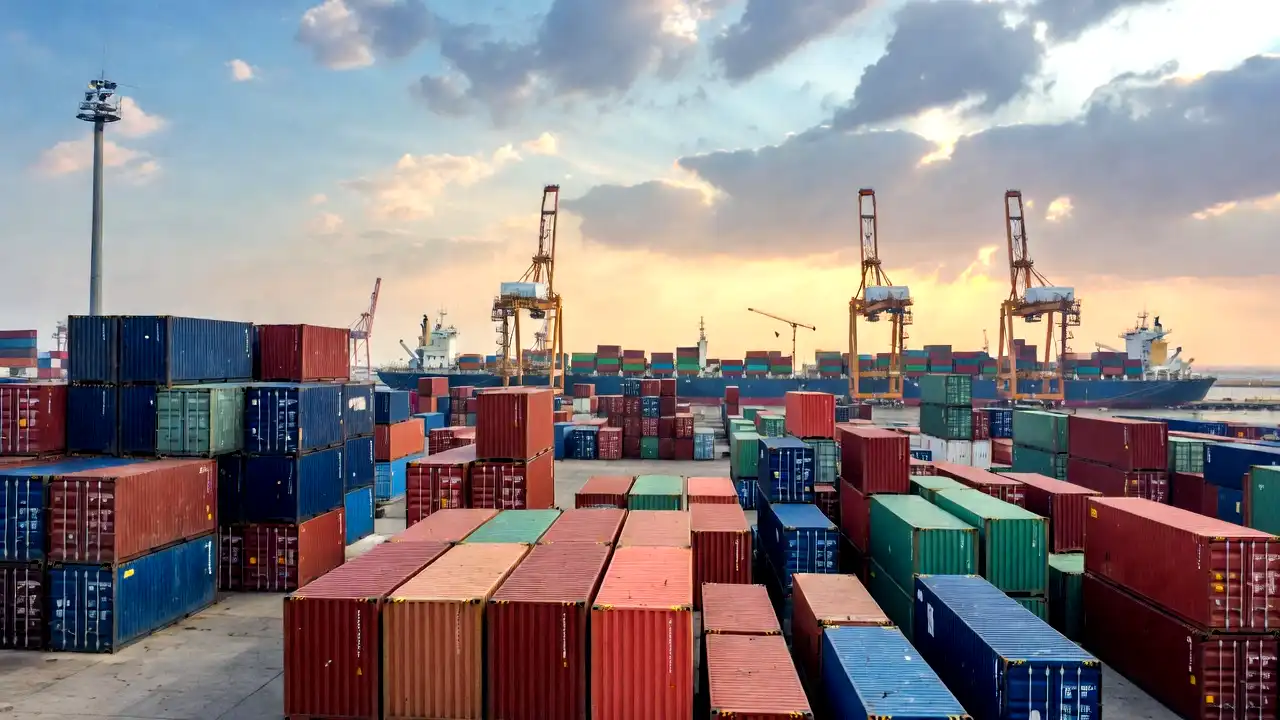
However, Chinese manufacturing output did not adjust downward to match reduced American demand. Instead, state-owned and private Chinese enterprises rerouted container ships toward open ports in Europe, South America, and Southeast Asia.
This massive redirection of industrial supply has created severe economic dislocations across third-party economies, forcing international policymakers to confront the exact same trade challenges that Washington has battled for years.
Shrinking the US Bilateral Deficit by One-Third to $73.9 Billion
The United States demonstrated to G20 partners that assertive, strategic trade policy can achieve measurable bilateral results. Official trade statistics for the first six months of the year confirm that the United States merchandise trade deficit with China dropped by a full third compared to the same period in the prior year, falling to $73.9 billion.
This sharp contraction in the bilateral trade gap resulted from a coordinated suite of economic measures:
- Maintaining comprehensive 25% to 50% tariffs across strategic Chinese industrial categories, including advanced electronics, robotics, and industrial machinery.
- Enforcing strict 100% tariffs on imported Chinese electric vehicles, effectively barring subsidized passenger cars from American roadways.
- Utilizing rigorous customs inspections under the Uyghur Forced Labor Prevention Act to seize non-compliant goods at maritime entry ports.
- Corporate nearshoring and reshoring initiatives transferred billions of dollars in procurement contracts to domestic American factories, Mexico, and allied Asian nations.
The shrinking bilateral deficit provided American negotiators with concrete proof that targeted trade barriers successfully protect domestic industrial capacity from foreign overcapacity.
How Rerouted Chinese Goods Disrupt Manufacturing in Brazil, Mexico, and the EU
While the United States walled off its domestic market, third-party economies absorbed the full impact of diverted Chinese exports. In the European Union, Latin America, and Southeast Asia, domestic manufacturers have faced an unprecedented flood of discounted products sold at prices that local producers cannot match.
The economic disruption has triggered widespread trade resistance across major G20 economies:
- In the European Union, bilateral trade deficits with China climbed past €360 billion, prompting the European Commission to impose countervailing tariffs of up to 38% on imported Chinese electric vehicles.
- In Brazil, surging imports of discounted Chinese steel, chemicals, and consumer textiles led the government to launch dozens of formal anti-dumping investigations and raise import tariffs on heavy industrial goods.
- In Mexico, domestic automotive parts manufacturers and metal producers formed industry alliances to lobby for strict regional value content rules to prevent Chinese component dumping.
- Across Southeast Asian manufacturing hubs in Thailand, Vietnam, and Indonesia, local small and medium-sized craft workshops and electronics assemblers faced widespread operational slowdowns.
American officials pointed to these real-world disruptions to show international finance ministers that trade diversion is actively destabilizing their own domestic economies, making a coordinated multilateral response essential.
Chronic Domestic Weakness and Deflationary Pressures Inside China
The underlying driver fueling the global export flood is the persistent weakness of domestic demand within China. Chinese household consumption accounts for less than 40% of national gross domestic product, a figure roughly 20 percentage points below the global average and far behind the 68% recorded in the United States.
Official economic indicators highlight the structural deflation gripping the Chinese economy:
- The national manufacturing purchasing managers’ index stood at 49.8, remaining in contraction territory as domestic order books struggle to generate growth.
- Domestic consumer price inflation has hovered near zero for consecutive quarters, reflecting deep consumer caution and widespread discounting by retail merchants.
- The prolonged real estate downturn has frozen hundreds of billions of dollars in private household equity, compelling families to increase precautionary savings rather than spend on consumer goods.
- Industrial capacity utilization rates across automotive, battery, and chemical manufacturing plants have dropped below 70%, forcing companies to export surpluses at marginal cost.
Because domestic retail spending cannot absorb current factory output, Chinese industrial conglomerates view foreign export markets as their only viable path to service heavy bank debt liabilities and keep factories operating.
The Delicate Balancing Act Ahead of the Trump-Xi Summit
The assertive stance taken by the United States at the Asheville G20 summit unfolds against a delicate diplomatic backdrop. American and Chinese trade negotiators are actively preparing the groundwork for a scheduled bilateral summit between President Donald Trump and President Xi Jinping in late September.
Managing this relationship requires balancing tough public demands for structural trade reform with pragmatic commercial agreements that maintain market stability and prevent uncontrolled economic decoupling.
While Washington is organizing international coalitions to challenge China’s $1.2 trillion surplus, bilateral negotiators are simultaneously preserving a targeted trade truce covering non-strategic goods.
Preserving the $30 Billion Tariff Truce on Non-Strategic Goods
A vital stabilizing element in the bilateral relationship is the ongoing execution of a targeted tariff reduction agreement reached earlier in the year. Under the bilateral framework, the United States and China agreed to lower import tariffs on roughly $30 billion worth of non-strategic consumer and agricultural goods on each side.
Treasury Secretary Bessent confirmed that this targeted $30 billion tariff relief remains fully intact:
- Lowering import duties on non-sensitive consumer products, including specialty agricultural commodities, apparel, and basic household items.
- Providing immediate cost-of-living relief to American consumers and small retail businesses without compromising national security protections on strategic technologies.
- Preserving a constructive diplomatic atmosphere ahead of the upcoming Trump-Xi presidential summit.
- Maintaining direct, professional communication channels between the United States Treasury and Chinese economic leadership.
Maintaining this targeted truce demonstrates that the United States is not pursuing total economic isolation, but rather targeted, structural rebalancing that protects strategic industries while allowing non-sensitive commerce to continue.
Navigating High-Stakes Bilateral Agendas on Artificial Intelligence and Currency
Beyond traditional merchandise trade, the economic discussions between Washington and Beijing have expanded to encompass cutting-edge computing technologies and international currency dynamics. The technological and financial dimensions of the relationship will dominate upcoming presidential negotiations.
Key bilateral discussion topics include:
- Artificial Intelligence Safety: Establishing international guardrails to prevent advanced frontier artificial intelligence reasoning models from falling into the hands of rogue non-state actors or cybercriminal syndicates.
- Advanced Semiconductor Controls: Reviewing the enforcement of export restrictions on high-density graphics processor clusters, specialized semiconductor manufacturing equipment, and electronic design software.
- Currency Valuation Transparency: Monitoring foreign exchange movements to ensure that neither nation engages in competitive currency devaluations to gain unfair export advantages.
- Critical Mineral Supply Chains: Establishing transparent trade channels for essential rare earth elements, battery chemicals, and permanent magnets required for clean-energy manufacturing.
Integrating artificial intelligence governance and currency stability into bilateral trade negotiations reflects the reality that technological leadership and monetary stability are permanently intertwined with trade policy.
Allied Perspectives and G20 Consensus Challenges
While the United States is advocating for coordinated trade barriers, building consensus among G20 member states requires addressing complex geopolitical and economic relationships. Many European and Asian economies maintain deep commercial and investment ties with China that make adopting aggressive American-style trade measures economically complicated.
For export-oriented economies like Germany, Japan, and South Korea, China remains a vital export market for precision machine tools, chemical inputs, and automotive components.
Imposing sweeping import tariffs carries the risk of triggering retaliatory trade sanctions from Beijing that could damage domestic industrial champions.
However, as the scale of Chinese overcapacity threatens domestic factory employment, allied governments are finding that their economic interests increasingly align with Washington’s defensive trade posture.
European Anti-Dumping Inquiries and Electric Vehicle Tariff Coalitions
The European Union has moved closest to adopting Washington’s trade defense strategy. Following extensive investigations that proved Chinese electric vehicle manufacturers receive massive state subsidies across battery supply chains, raw material procurement, and factory land grants, Brussels enacted definitive countervailing tariffs on imported Chinese electric cars.
European trade policy is undergoing a profound structural shift:
- Major industrial nations, including France, Italy, and Spain, are advocating for the European Union to expand trade investigations beyond automotive sectors to encompass wind turbines, medical devices, and railway equipment.
- European policymakers are developing stricter rules of origin and local content mandates to prevent Chinese manufacturers from assembling subsidized component kits inside Eastern Europe.
- European industrial associations are demanding that trade commissioners establish common external tariffs to prevent subsidized imports from circumventing national borders.
- The European Union is advancing its Economic Security Strategy, identifying critical technology dependencies and establishing screening mechanisms for outbound investments into non-market economies.
This growing alignment between the United States and the European Union establishes the core foundation of an international coalition capable of forcing structural trade adjustments.
Japanese Yen Stability and Bank of Japan Monetary Coordination
In Asia, foreign exchange volatility represents another critical variable in the international trade equation. During the Asheville meetings, Treasury Secretary Bessent scheduled bilateral discussions with Bank of Japan Governor Kazuo Ueda to review currency markets and Japanese monetary policy.
The stability of the Japanese yen carries significant implications for regional trade competitiveness:
- The Japanese yen has experienced periods of intense volatility, trading near multi-decade lows against the United States dollar.
- A weak domestic currency inflates the cost of imported energy and raw materials for Japanese manufacturers while making Japanese exports highly competitive on global markets.
- Secretary Bessent expressed strong institutional confidence in Governor Ueda’s monetary leadership, supporting the Bank of Japan’s gradual transition toward normalized interest rates.
- Bilateral discussions focused on ensuring that currency markets remain orderly, avoiding competitive currency depreciations that could worsen regional trade imbalances.
Maintaining stable foreign exchange rates ensures that international trade rebalancing occurs through transparent market adjustments rather than destructive currency fluctuations.
Strategic Implications for the Future of Multilateral Trade Architecture
The assertive push by the United States at the G20 summit marks a permanent departure from the post-Cold War era of unconstrained globalization. For three decades, international trade policy was governed by the assumption that lowering tariffs and integrating non-market economies into the World Trade Organization would naturally lead to market-driven convergence.
The reality of China’s $1.2 trillion trade surplus has shattered that assumption. Governments worldwide are recognizing that open, rules-based market economies cannot survive when competing against centralized state-capitalist systems that deploy unlimited public subsidies to capture global market share.
The international trading system is transitioning into a new era defined by economic security, reciprocal trade terms, and localized industrial sovereignty.
The Shift from WTO Open-Market Norms Toward Geopolitical Blocs
The traditional multilateral framework anchored by the World Trade Organization is being replaced by regional, values-aligned trade architectures. Because the WTO’s consensus-based decision-making and dispute settlement mechanisms are unequipped to handle massive state-directed subsidies, nations are establishing independent trade mechanisms.
The modern trade architecture is characterized by several key features:
- Plurilateral Trade Agreements: Coalition agreements among trusted democratic allies that enforce common labor, environmental, and intellectual property standards.
- Strategic Critical Mineral Clubs: Bilateral and multilateral partnerships designed to secure independent supply chains for lithium, cobalt, nickel, and rare earths outside non-market monopolies.
- Carbon Border Adjustments: Implementing border taxes on carbon-intensive industrial imports to protect domestic manufacturers that adhere to strict environmental standards.
- Reciprocal Market Access Rules: Restricting public procurement contracts and clean-energy tax credits to corporations originating from allied nations that offer reciprocal commercial access.
As global trade organizes around trusted geopolitical blocs, international commerce is prioritizing supply chain resilience and national security over pure low-cost efficiency.
The Long-Term Horizon for Global Industrial Supply Chain Realignment
The coordinated international pressure on trade imbalances will accelerate the multi-decade restructuring of global industrial supply chains. Multinational corporations that spent decades consolidating manufacturing operations inside China are executing strategic diversification roadmaps.
Key structural trends shaping the next decade of global manufacturing include:
- Comprehensive Nearshoring: Shifting final assembly lines to regional partners across North America, Central Europe, and Southeast Asia to minimize geopolitical risks.
- Local-for-Local Production: Constructing geographically independent manufacturing hubs that design, fabricate, and assemble products within the specific regional markets where they are sold.
- Advanced Automation Deployment: Investing heavily in automated robotics, digital twin simulations, and artificial intelligence-driven quality control to lower labor costs in domestic Western factories.
- Redundant Component Sourcing: Establishing dual-sourcing requirements for all critical microchips, specialized chemicals, and precision structural parts to eliminate single-country points of failure.
This global reorganization will establish a more balanced, resilient international economic system capable of withstanding geopolitical shocks and economic disruptions.
The United States government’s assertive campaign at the Asheville G20 summit to address global trade imbalances and confront China’s $1.2 trillion surplus marks a historic turning point in international economic governance. By demonstrating that unilateral tariffs have successfully reduced the bilateral United States deficit to $73.9 billion while diverting surplus production to Europe, Latin America, and Asia, Washington has proven that trade overcapacity is a shared global challenge that demands a coordinated multilateral solution. As finance leaders negotiate binding communique language and bilateral teams prepare for the upcoming Trump-Xi summit, the era of passive trade tolerance has definitively ended. By uniting G20 partners behind reciprocal trade terms, defensive safeguards, and domestic demand stimulation, the international community is laying the foundation for a more balanced, secure, and prosperous global economy for decades to come.