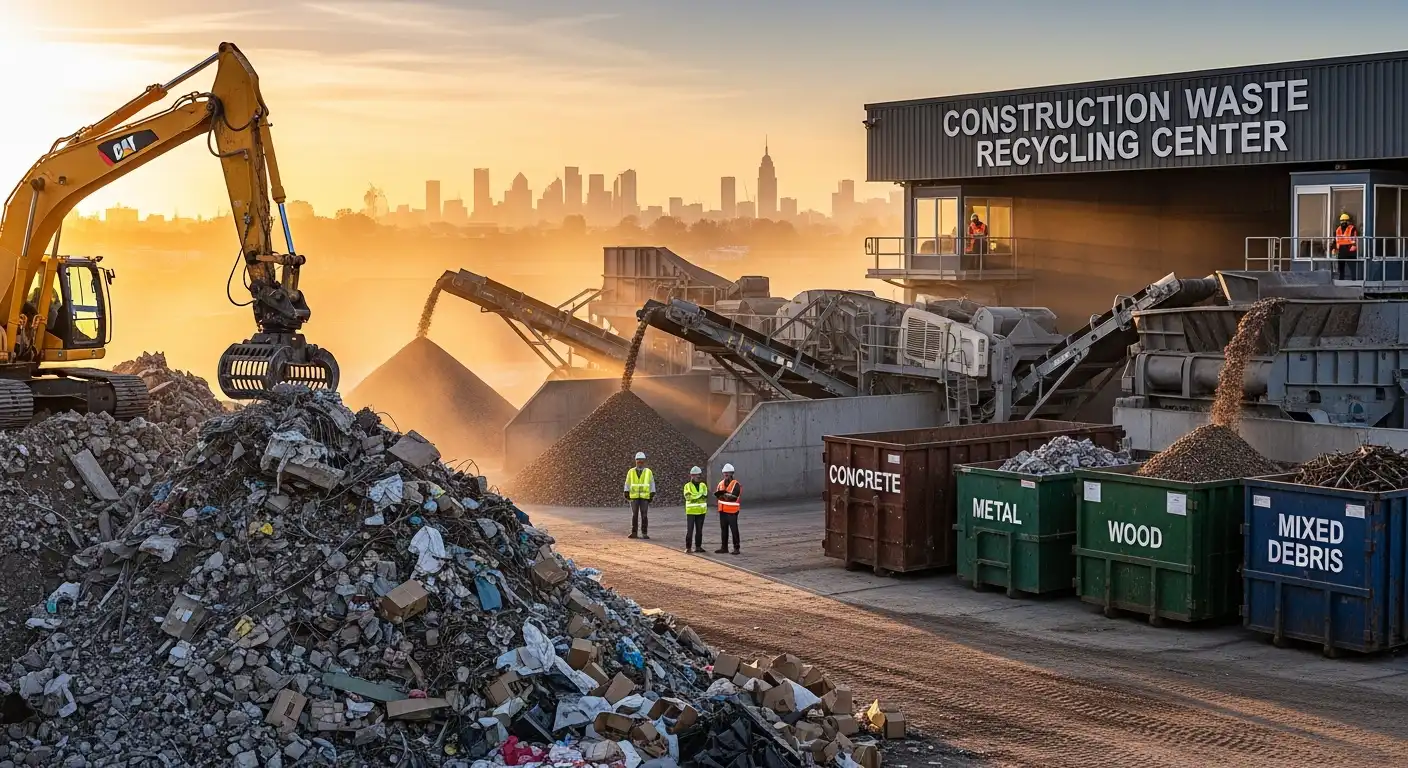
Construction waste management is a critical aspect of sustainable building practices. It aims to minimize waste generation, maximize recycling and reuse, and reduce environmental impact. This article delves into the importance, strategies, and future trends of construction waste management, highlighting its pivotal role in fostering a more sustainable construction industry.
Understanding Construction Waste Management
Construction waste management involves the systematic planning, collection, recycling, and disposal of waste generated during construction, renovation, or demolition activities. To minimize landfill disposal and promote resource conservation, it encompasses waste streams such as concrete, wood, metal, plastics, and packaging materials.
Waste Minimization Strategies
Effective construction waste management begins with waste minimization strategies to reduce waste generation at its source. It involves optimizing material use, implementing lean construction practices, and selecting materials with minimal packaging and waste generation. Construction projects can minimize waste generation and associated environmental impacts by prioritizing efficiency and resource optimization.
Recycling and Reuse Programs
Recycling and reuse programs play a crucial role in construction waste management by diverting waste materials from landfills and reintroducing them into the production cycle. Concrete, asphalt, wood, and metal can be crushed, processed, and repurposed in new construction projects or as alternative raw materials. Implementing robust recycling and reuse programs reduces the demand for virgin materials, conserves natural resources, and lowers carbon emissions associated with material production.
Waste Sorting and Segregation
Waste sorting and segregation processes are essential components of construction waste management, ensuring that different waste streams are properly identified, separated, and disposed of or recycled accordingly. On-site waste-sorting stations and designated containers for different waste streams facilitate efficient segregation and collection, thereby maximizing the recovery and recycling of valuable materials.
Advantages of Construction Waste Management
Construction waste management offers numerous benefits to construction companies, project stakeholders, and the environment, including cost savings, resource conservation, and reduced environmental impact.
Cost Savings and Efficiency
Implementing effective construction waste management practices can yield significant savings by reducing waste disposal fees, lowering material procurement costs, and enhancing operational efficiency. By maximizing recycling and reuse opportunities, construction companies reduce the need to purchase new materials and optimize resource utilization, thereby improving project economics and profitability.
Resource Conservation and Sustainability
Construction waste management promotes resource conservation and sustainability by diverting waste materials from landfills and conserving valuable resources. Recycling and reusing construction waste reduce the demand for virgin materials, preserve natural resources, and minimize energy consumption and greenhouse gas emissions associated with material extraction and production. By adopting sustainable waste management practices, construction projects contribute to environmental stewardship and promote a circular economy.
Environmental Protection and Compliance
Effective construction waste management helps protect the environment and ensure regulatory compliance by minimizing pollution, reducing landfill burden, and mitigating environmental risks. By properly managing waste streams and adhering to waste-disposal regulations, construction companies prevent soil, water, and air pollution, thereby safeguarding ecosystems and public health. Compliance with waste management regulations also mitigates legal and reputational risks associated with environmental violations.
Applications of Construction Waste Management
Construction waste management practices are applicable across various construction projects, including residential, commercial, industrial, and infrastructure developments, to promote sustainability and responsible waste management.
Residential Construction Projects
Waste management practices in residential construction projects focus on minimizing waste generation during construction and renovation activities. Builders prioritize material efficiency, source separation, and recycling initiatives to reduce waste sent to landfills and create healthier, more sustainable homes for occupants. Recycling construction waste materials like concrete, wood, and metal can reduce project costs and contribute to green building certifications.
Commercial and Industrial Developments
Due to their scale and complexity, commercial and industrial construction projects generate substantial waste. Waste management strategies for these projects include conducting comprehensive waste audits, implementing recycling programs, and collaborating with waste management providers to optimize waste collection and disposal. Implementing advanced waste management technologies, such as waste-to-energy systems or sorting facilities, can further enhance resource recovery and environmental performance in commercial and industrial developments.
Infrastructure and Public Works Projects
Infrastructure and public works projects, such as road construction, bridge construction, and utility systems, also require effective waste management practices to minimize environmental impacts and ensure project sustainability. Construction waste generated from infrastructure projects, including concrete, asphalt, and excavation materials, can be recycled and reused as road base materials or as aggregate for new construction projects. Implementing waste management plans and partnering with recycling facilities are essential for promoting circularity and resource conservation in infrastructure development.
Future Trends in Construction Waste Management
The future of construction waste management is characterized by technological advancements, innovative recycling solutions, and an increased emphasis on circular economy principles to maximize resource recovery and minimize waste generation.
Digital Waste Tracking and Monitoring
Digital waste-tracking and monitoring systems leverage IoT sensors, RFID technology, and cloud-based platforms to monitor waste generation, collection, and recycling processes in real time. These systems provide construction companies with actionable insights into waste streams, enabling data-driven decision-making, optimizing waste management processes, and improving transparency in reporting on compliance with waste diversion goals.
Advanced Recycling Technologies
Advancements in recycling technologies, such as mobile recycling units, robotic sorting systems, and advanced material recovery facilities, are revolutionizing construction waste recycling. These technologies enable the efficient sorting, processing, and recycling of complex waste streams, including mixed construction debris and contaminated materials, to extract valuable resources and minimize landfill disposal. Implementing advanced recycling technologies enhances resource recovery rates and supports the construction industry’s transition toward a circular economy.
Circular Economy Initiatives
Circular economy initiatives are gaining momentum in the construction industry. They promote “reduce, reuse, recycle” to minimize waste generation and maximize resource efficiency. Construction companies are embracing circular economy principles by designing buildings for disassembly, incorporating recycled materials into construction projects, and exploring innovative reuse opportunities for construction waste. Circular economy strategies drive innovation, foster collaboration across the construction value chain, and create new business opportunities in sustainable construction practices.
Conclusion
Construction waste management is essential for promoting sustainability, resource conservation, and environmental protection in the construction industry. Construction projects can reduce environmental impact, lower costs, and contribute to a more sustainable built environment by implementing waste minimization strategies, recycling and reuse programs, and waste sorting and segregation processes. As technology advances and circular-economy principles gain traction, construction waste management will continue to evolve, shaping the future of responsible waste management and sustainable construction worldwide.