Key Points:
- Clean energy investments saved the European Union €51.4 billion ($60 billion) in 2025 by cutting polluting fossil fuel imports.
- The massive savings resulted from record wind and solar deployment, which significantly reduced reliance on imported gas and oil.
- In April 2026, wind and solar generated more global electricity than natural gas for the first month ever in history.
- The power sector’s clean energy transition has successfully shielded European consumers from Middle East war-driven energy shocks.
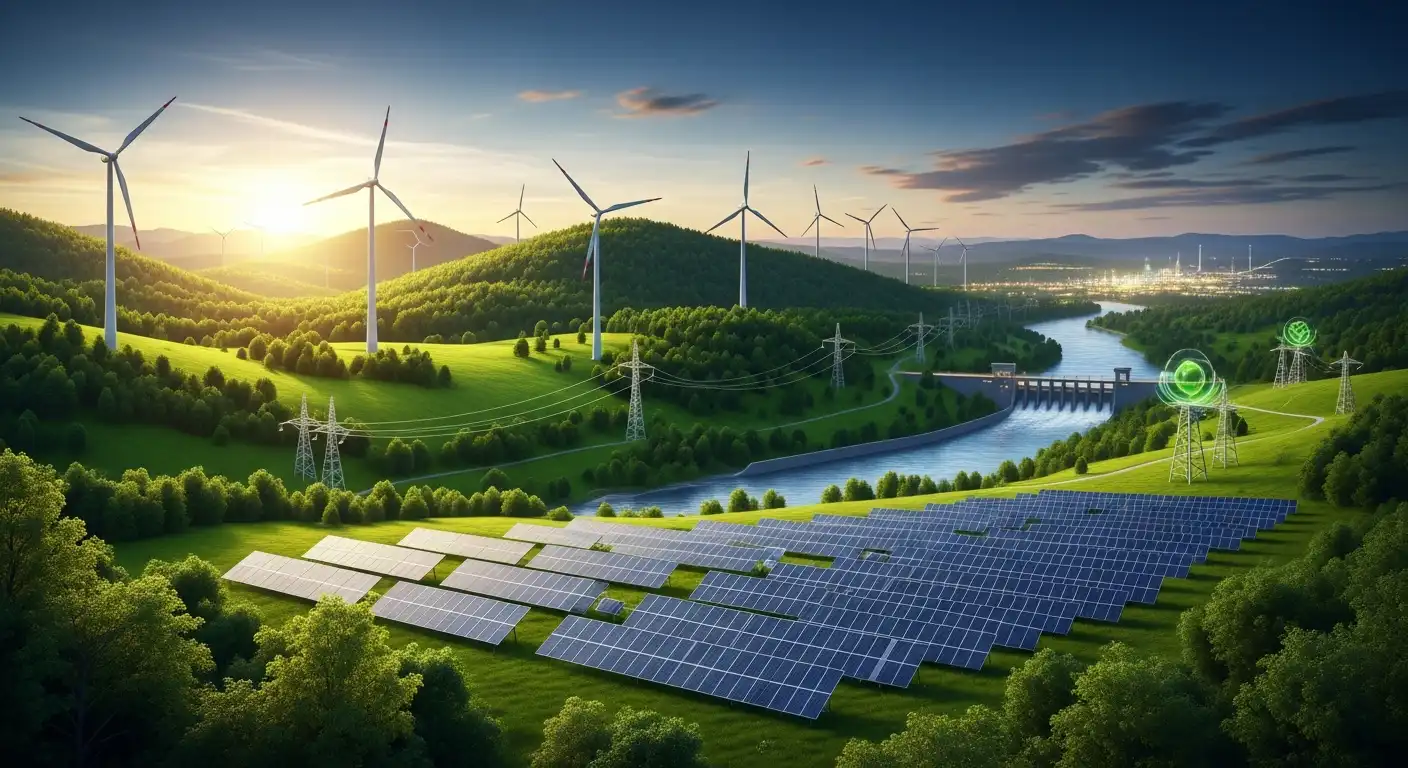
The European Union has achieved a major milestone in its green transition, proving that renewable energy is as much an economic shield as a climate necessity. According to reports published on Friday, May 29, 2026, by energy think tank Ember and the International Energy Agency (IEA), clean energy investments saved the EU €51.4 billion (approximately $60 billion) in 2025. This massive saving resulted directly from the rapid deployment of wind and solar power, which dramatically reduced the bloc’s reliance on expensive, imported fossil fuels.
These multi-billion-dollar savings are set to expand even further through the remainder of 2026. Ideal spring conditions across Europe have pushed renewable energy generation to record highs over the past few months. This clean energy boom is acting as a critical buffer for European energy security at a moment when the ongoing U.S.-Israel and Iran war has severely destabilized Middle Eastern supply chains, driving wholesale oil and gas prices to some of their highest levels in nearly four years.
An Ember spokesperson told Euronews Earth that Europe’s energy transition is paying massive dividends. They noted that the $60 billion in fossil fuel savings recorded last year will likely be eclipsed by even larger savings this year as international coal, gas, and oil prices continue to surge. Because of the rapid integration of wind and solar, the electricity sector has become the least impacted among Europe’s energy segments, shielding households and businesses from catastrophic utility rate hikes.
With the power grid now largely insulated from fossil fuel shocks, European policymakers are shifting their investment focus toward broader electrification. Today, the vast majority of Europe’s remaining fossil fuel imports flow into sectors outside of power generation, particularly transport and heating. To eliminate these dependencies, the EU is aggressively funding programs to accelerate electric vehicle adoption, scale up residential heat pump installations, and electrify heavy industrial manufacturing, which could reduce Europe’s long-term energy costs by up to 1.5% annually.
Despite the massive savings, Europe remains highly dependent on foreign energy providers. According to data compiled by Brussels-based think tank Strategic Perspectives, the European Union imported €336.7 billion worth of energy products in 2025, amounting to approximately 723.3 million tonnes of fuel. However, the data also show a positive structural trend: compared with 2024, the value of these energy imports fell by 11.1%, while the net physical mass decreased by 0.6%, indicating that the transition is successfully shrinking Europe’s global energy footprint.
This regional progress aligns with an extraordinary, unprecedented milestone on the global stage. According to Ember’s data analysis, wind and solar power generated more electricity globally than natural gas did for the first time in April 2026. Together, wind and solar accounted for 22 percent of all global electricity generation during the month, comfortably surpassing the 20 percent share recorded for natural gas. This historical shift proves that the clean energy transition is a rapidly accelerating global reality.
The data clearly demonstrates that clean energy has evolved from a purely environmental choice into a highly sophisticated economic and geopolitical strategy. Analysts point out that every gigawatt of solar panel or wind turbine that Europe installs represents a direct reduction in the geopolitical leverage of foreign fossil-fuel suppliers. By localizing power generation through renewable technology, the EU is successfully shielding its citizens and businesses from the sudden price shocks and supply blackouts that have historically crippled industrial productivity.
As the European Union prepares for a highly volatile winter heating season, its massive clean energy reserves will remain its greatest defense. By continuing to invest in grid infrastructure, cross-border interconnectors, and localized battery storage systems, the bloc can further reduce its vulnerability to international conflicts. The €51.4 billion saved last year is not just a financial victory, but a powerful proof of concept, showing that a clean, self-sufficient energy system is the only way to guarantee Europe’s long-term economic sovereignty.