Key Points:
- The 2026 Global Mayors Dialogue convened representatives from 73 cities across 56 countries in Beijing to discuss smart tourism technologies.
- Global municipal leaders experienced advanced extended reality (XR) exhibits, including an interactive Ming Dynasty scroll.
- Beijing Mayor Yin Yong urged international cities to collaborate on research, development, and the creation of new business models in digital tourism.
- European delegates shared real-world successes in integrating AI into public translation and real-time transit information systems.
The intersection of heritage preservation and cutting-edge digital technology took center stage this week in China’s capital. Municipal leaders, urban planners, and tourism executives from across the globe gathered for the prestigious Global Mayors Dialogue 2026. Under the forward-looking theme of “Smarter Travel, Stronger Cities,” the summit drew prominent representatives from 73 cities across 56 countries and regions. The primary objective of the dialogue was to explore how cities can successfully deploy advanced tools such as artificial intelligence (AI) and extended reality (XR) to revitalize their local tourism economies while protecting their historical identities.
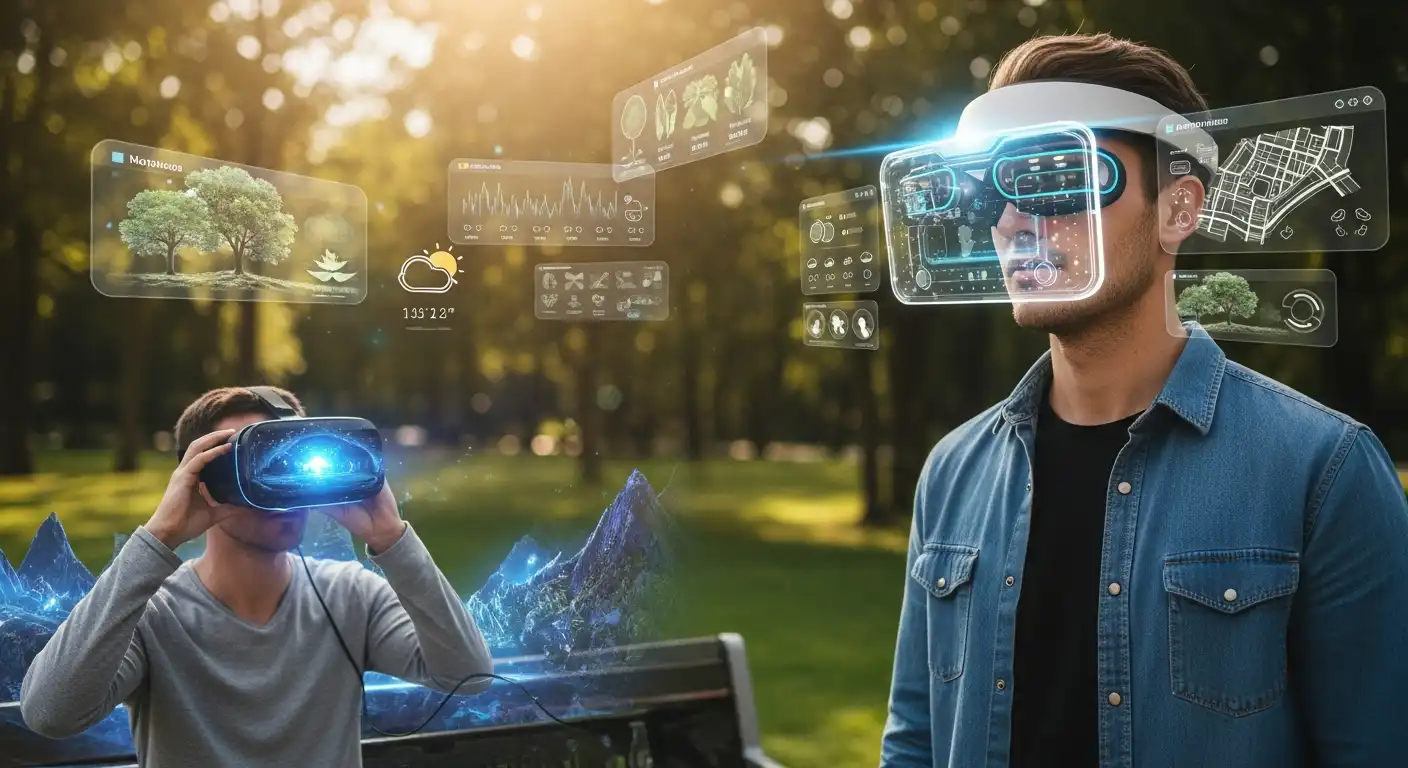
For many international delegates, the power of these digital tools became immediately clear during immersive on-site demonstrations. Vasileios Vasileiadis, the head of the tourism department’s director’s office in Thessaloniki, Greece, experienced a virtual “space tour” that projected him directly into a highly detailed simulation of Beijing’s historic Dashilar district. Moments later, Vasileiadis and other international officials watched as a digital rendering of a famous Ming Dynasty (1368-1644) scroll sprang to life. The high-resolution XR display animated wooden boats and busy boatmen drifting down an ancient canal, showing how modern software can preserve and elevate centuries-old historical artifacts.
The host city emphasized that these impressive visual demonstrations must pave the way for deeper, practical global cooperation. In his keynote address to the summit, Beijing Mayor Yin Yong urged international municipal leaders to establish formal, cross-border research and development partnerships. Yin explained that cities must work collaboratively to design innovative business models and empower their tourism sectors with next-generation technology. He noted that as global travel demand rebounds, integrating AI into public transit, hospitality, and historical archiving will help cities manage higher visitor volumes while reducing operational costs.
Several European cities are already demonstrating how artificial intelligence can resolve everyday tourist pain points and streamline public services. Despoina Limniotaki, the President of the Athens Municipal Council in Greece, shared how her administration has integrated AI into its official municipal digital platforms. The AI-driven translation system has achieved a massive 95% reduction in complaints about language barriers, allowing international travelers to navigate the ancient city, book tickets, and access emergency services in their native tongues. Limniotaki expressed a strong desire to collaborate directly with Chinese software developers to upgrade Athens’ digital infrastructure further.
This push for digital integration arrives as the global smart tourism market experiences rapid, multi-billion-dollar expansion. Industry analysts project that global investment in tourism-related technology, including AI booking platforms, smart transit grids, and AR-guided tours, will surpass $15 billion annually by 2030, growing at an annual rate of 12%. While these initial digital segments account for only 1.5% of global tourism revenue today, their strategic growth rate remains immense. For cities like Beijing and Athens, which rely heavily on travel to support local small businesses and generate public revenues, these tech investments deliver immediate dividends. By shortening visitor wait times and improving city navigation, digital tools encourage longer hotel stays and higher local spending.
However, several delegates also reminded the forum that technology must serve as a supportive tool rather than a distraction from a city’s core identity. Josy Michaud Payet, the Mayor of Victoria in the Seychelles, emphasized the delicate balancing act that small island nations and historical towns must perform. Payet explained that a city’s unique cultural context and natural landscape remain the most valuable assets for its long-term tourism development. She expressed hope that by drawing inspiration from China’s technical practices, her administration can implement smart infrastructure—such as automated eco-tourism tracking systems—without compromising Victoria’s pristine environment.
Greece’s Vasileios Vasileiadis echoed this sentiment, noting that China’s distinctive approach to heritage preservation offers a highly valuable lesson for European cities. He observed that Chinese tech firms do not merely build modern digital tools; instead, they use advanced software to breathe new life into ancient physical sites. By using non-intrusive augmented reality (AR) overlays at landmarks like the Capital Museum, developers allow visitors to learn about centuries of history without physically altering the ancient bricks or delicate artifacts. Vasileiadis expressed his strong hope of establishing permanent bilateral cultural exchange programs with Chinese partners to bring these techniques to Thessaloniki’s own Roman-era historical sites.
While the benefits of smart tourism are undeniable, municipal leaders also discussed the unique operational challenges posed by these automated networks. When a city uses algorithms to recommend local hidden gems to millions of users, it can easily trigger sudden, overwhelming waves of over-tourism that disrupt local neighborhoods. To counter this, urban planners at the expo demonstrated predictive crowd-control software that dynamically redirects tourist flows away from congested landmarks using real-time mobile data. Additionally, agencies must establish strict data privacy standards to protect travelers’ biometric and payment information as they transit through highly connected smart cities.
Ultimately, the 2026 Global Mayors Dialogue in Beijing has proved that the future of global tourism depends deeply on digital innovation. By combining advanced extended reality experiences, robust AI translation services, and a strict commitment to cultural preservation, global cities are building a highly resilient, modern travel ecosystem. As delegates return to their respective nations, the successful execution of this summit will serve as a vital case study for the global transport and hospitality industries. In a rapidly digitizing world, the most successful cities will not be those that simply build the tallest skyscrapers, but those that use smart technology to make their rich histories accessible to the entire world.