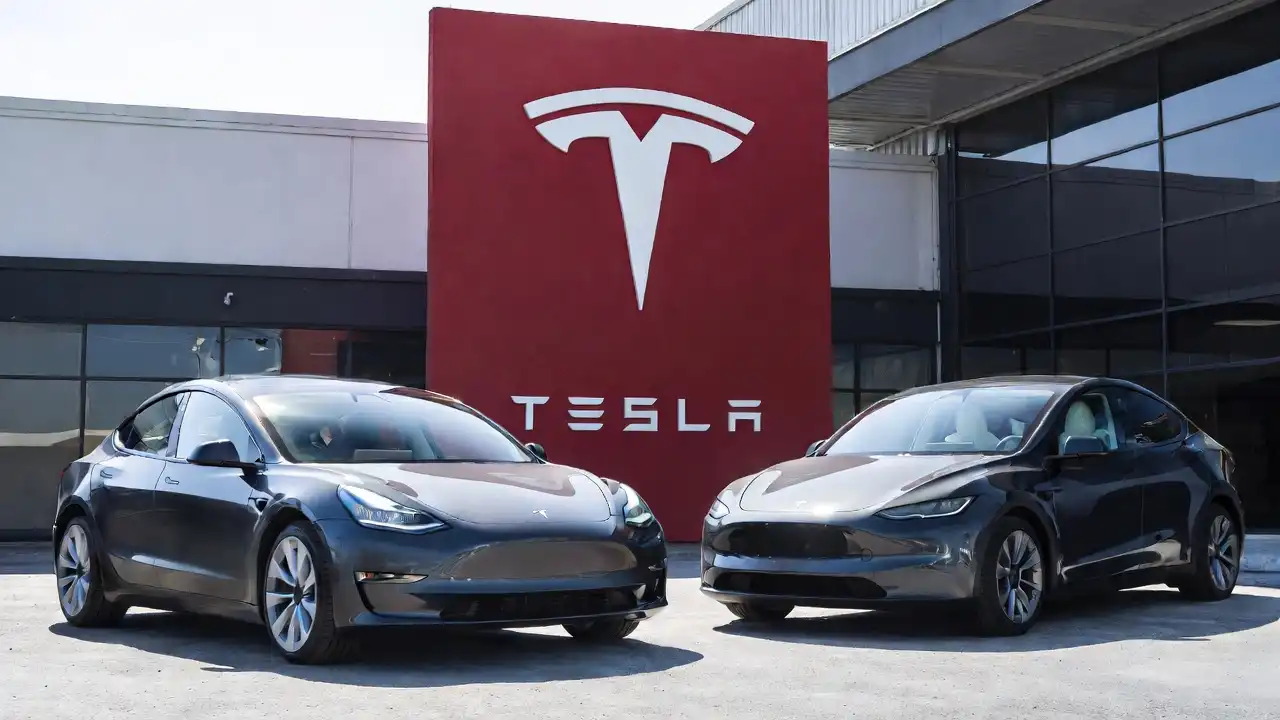
Tesla Inc. announced its vehicle production and delivery numbers for the second quarter of 2026, delivering a massive blowout performance that completely shattered Wall Street’s expectations. The Austin-based electric vehicle pioneer delivered 480,126 vehicles during the three months ending June 30, beating the company-compiled analyst consensus of 406,024 by an extraordinary 18%. The robust performance marks a decisive turning point for Tesla, representing its first quarter of positive year-over-year sales growth after a painful, two-year slump.
The dramatic sales rebound arrived as a major surprise to both bullish and bearish analysts, who had spent months predicting a sluggish performance due to rising global competition, high interest rates, and public controversies surrounding CEO Elon Musk. Instead, the 480,126 delivery figure represents a 25% year-on-year increase compared to the 384,122 vehicles shipped during the second quarter of last year, and a massive 34% quarter-on-quarter jump from the 358,023 deliveries recorded in the first quarter of this year. By executing a series of aggressive pricing strategies, expanding its automated driving systems into Europe, and capitalizing on unexpected geopolitical tailwinds, Tesla pulled off the fourth-best delivery quarter in its corporate history.
The Core Numbers: Production, Deliveries, and Inventory Drawdowns
The physical details of Tesla’s second-quarter report show a highly efficient operational turnaround. During the three months, Tesla produced 451,758 vehicles while delivering 480,126 units. This reverse trend is highly significant, as it means the company delivered 28,368 more vehicles than it actually manufactured during the quarter. By doing so, Tesla successfully drew down its massive stockpile of unsold inventory, reversing a painful trend from the first quarter of the year when the company built up over 50,000 excess vehicles that it struggled to sell.
A breakdown of the production and delivery data by model shows that the company’s high-volume, lower-cost platforms continue to do all the heavy lifting for the business:
- Model 3 and Model Y: Tesla produced 442,936 units and delivered 467,762 units of its entry-level sedan and midsize crossover, representing approximately 97% of all deliveries.
- Other Models: The premium “Other Models” category—which bundles the Model S, Model X, Cybertruck, and the Tesla Semi—contributed 8,822 produced units and 12,364 deliveries.
- Production Transition: In January, Tesla officially ended production of its legacy Model S sedan and Model X SUV at its Fremont plant in California. This strategic decision freed up valuable factory floor space and engineering resources to begin assembling the company’s next-generation Optimus humanoid robots, which are currently being installed in active roles across Tesla’s factories.
By clearing out its excess vehicle inventory, Tesla has significantly improved its near-term cash-flow position. The successful inventory drawdown reduces the carrying costs of holding thousands of unsold cars in storage lots, giving the company a cleaner, more efficient balance sheet heading into its full quarterly earnings report.
The Strategic Factors Driving the Massive Turnaround
Tesla’s blowout quarter was not a stroke of luck; it was the direct result of a highly coordinated, aggressive effort to revitalize global demand. After facing consecutive annual sales declines in 2024 and 2025, management recognized that it had to adjust its sales and product strategies to compete in a rapidly maturing and highly competitive market.
To re-accelerate sales, the company launched a series of targeted promotional and technological initiatives across its major regional markets. These efforts helped lower the entry barriers for prospective car buyers, while leveraging Tesla’s technological advantages in autonomous driving and energy storage to win over skeptical consumers.
Promotional Financing and Lower-Cost Vehicle Trims
The primary driver of the sales rebound in North America and China was the introduction of aggressive promotional financing deals and lower-cost vehicle trims. Recognizing that high interest rates have priced millions of potential buyers out of the new car market, Tesla began offering highly attractive lease deals and near-zero-interest loans on several popular configurations.
In the United States, where the loss of the federal $7,500 EV tax credit had previously cooled demand, Tesla introduced lower-cost variants of the Model 3 and Model Y, bringing the entry-level purchase price closer to traditional gasoline cars. These pricing adjustments, combined with attractive financing promotions, successfully lowered the monthly payment for the average consumer, allowing Tesla to tap into a massive pool of budget-conscious buyers who had previously ruled out purchasing an electric car.
The European Sales Recovery and FSD Expansion
A second critical factor in the second-quarter blowout was a dramatic sales recovery across several key European markets. Before the release of the global delivery report, registration data from multiple European countries showed that Tesla was experiencing a powerful surge in demand.
The registration figures demonstrate a highly successful European push:
- In Denmark, new Tesla registrations rose by a substantial 39% year-over-year.
- In Sweden, registrations jumped by an impressive 56%.
- In Portugal and Italy, registrations climbed by 43%.
- In France, a major market, registrations more than doubled compared to the same period last year, supported by active government EV subsidies and faster fleet electrification mandates.
- FSD Expansion: To support this European sales recovery, Tesla officially made its driver assistance systems, marketed as Full Self-Driving (Supervised), available in several European countries. This technological rollout served as a major selling point, helping to restore the brand’s premium reputation and attract tech-forward buyers.
While Norway bucked the regional trend with a 43% decline in registrations—due to front-loaded demand ahead of a 2026 cut to electric vehicle tax benefits—the broader European market delivered a stellar performance, serving as a primary pillar of Tesla’s global delivery beat.
The Geopolitical Catalyst: High Gasoline Prices from the Iran War
The most unexpected tailwind supporting Tesla’s European sales recovery was a major energy shock in the first half of the year. The military conflict in Iran, which began in late February, had sent global crude oil and retail gasoline prices soaring across Europe. High fuel costs made running a traditional internal combustion engine car extremely expensive, creating a powerful economic incentive for European drivers to dump their gasoline cars and switch to electric vehicles.
While a fragile, U.S.-led peace agreement in June helped oil prices slip back to pre-war levels below $73, the high fuel prices recorded during the spring did the heavy lifting for Tesla’s order books. European consumers who were on the fence about purchasing an EV were pushed over the line by the high costs at the pump, rushing to buy inventory models from local Tesla delivery centers. This geopolitical shock provided a temporary but powerful demand boost that helped Tesla clear its excess inventory faster than analysts had anticipated.
The Hyper-Growth of Tesla’s Energy Storage Business
While the automotive division dominated the headlines, Tesla’s non-automotive energy division also delivered a highly impressive performance. The company deployed 13.5 gigawatt-hours (GWh) of energy storage products during the second quarter, marking a massive 53% increase from the 8.8 GWh deployed in the first quarter of the year.
The 13.5 GWh deployment represents a 40.6% jump compared to the 9.6 GWh deployed during the second quarter of last year, showing that the company’s massive Megapack factories in Lathrop, California, and Shanghai, China, are successfully ramping up production. Although the final deployment figure fell slightly short of some highly optimistic analyst forecasts of 13.8 GWh, the rapid growth of the energy storage business provides Tesla with a highly profitable, diversified revenue stream that is less vulnerable to the cyclical price wars of the global automotive market.
The Geopolitical and Competitive Battle Ahead
Despite the historic second-quarter performance, Tesla faces a highly challenging and competitive environment for the remainder of the year. In Asian and European markets, Chinese automakers like BYD, Nio, and Xiaomi continue to launch highly competitive, technology-forward electric vehicles at lower price points, undercutting Tesla on pricing and squeezing its profit margins.
Furthermore, in the United States, consumer preferences are showing a significant shift. Many mass-market buyers are choosing hybrid vehicles over pure battery-electric cars, as hybrids offer excellent fuel economy without requiring owners to adapt to public charging infrastructure. This trend is particularly visible in rural and suburban communities where charging networks remain limited. As the initial excitement of the Q2 beat fades, the focus of the financial community will quickly shift to Tesla’s upcoming earnings call on July 22, where management must explain how these promotional financing deals, lower-cost trims, and inventory drawdowns impacted the company’s average selling prices, cost of sales, and overall profitability.
Conclusion
Tesla’s second-quarter 2026 delivery report, representing a 25% year-on-year jump to 480,126 vehicles, is a major triumph for the company and the wider electric vehicle market. By blowing past Wall Street’s consensus expectations of 406,024 by over 74,000 units, the company has successfully ended its painful, two-year sales slump and demonstrated that its brand equity remains exceptionally resilient. Supported by aggressive promotional financing, a dramatic sales recovery in Europe, and temporary energy-price tailwinds from the Middle East conflict, the company successfully worked down its excess inventory and established its first-ever quarterly growth since sales peaked in 2023.
While the upcoming second half of the year will bring ongoing competitive threats from low-cost Chinese rivals and a shifting consumer preference toward hybrid vehicles, Tesla’s strong performance has restored investor confidence and stabilized its stock price. As the company prepares to release its full financial results on July 22, the focus will shift to how these volume gains translate into actual corporate profits. By leveraging its growing energy storage division and preparing for the volume production of the Cybercab and Tesla Semi, Tesla is proving that its multi-pronged, technology-first playbook is highly capable of driving long-term, sustainable growth in the clean energy era.