

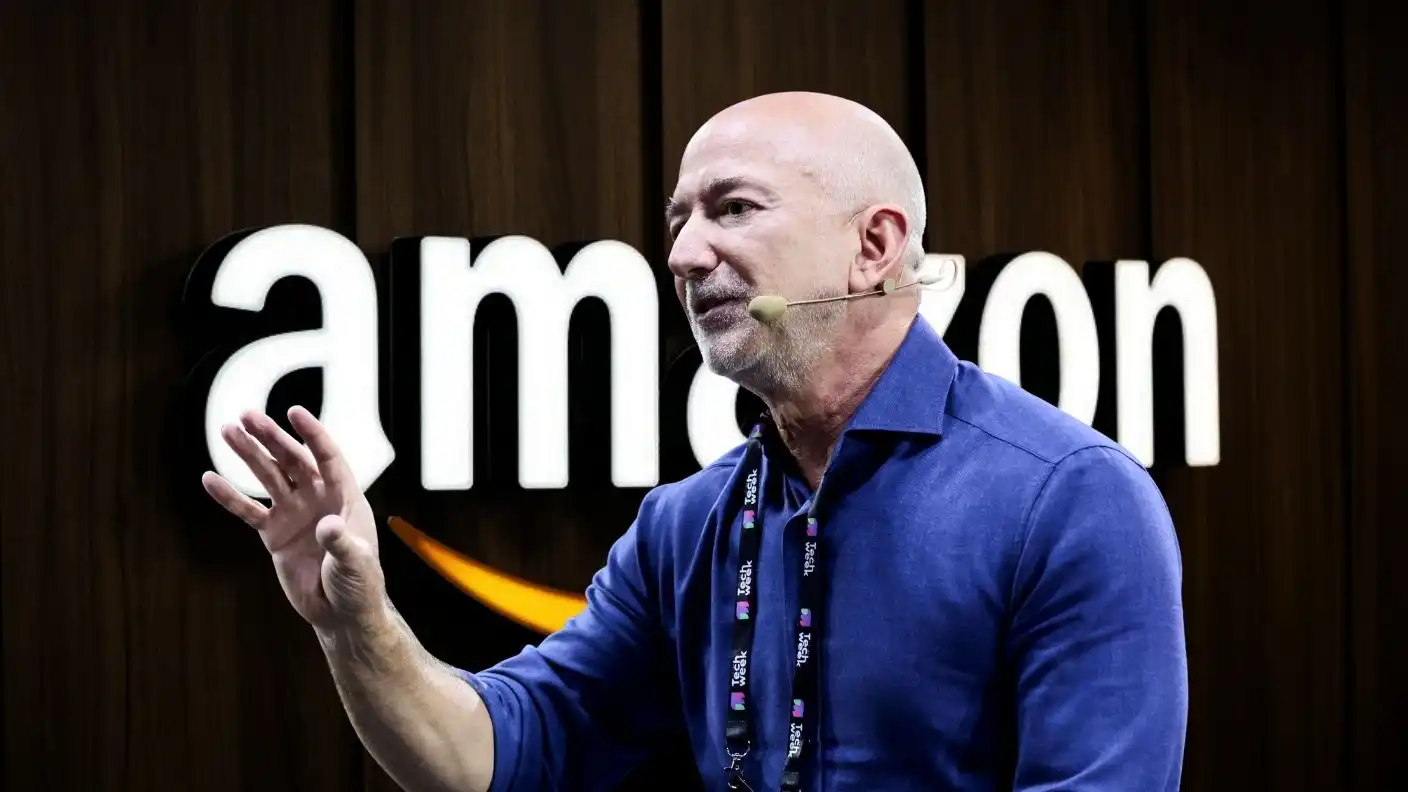
Amazon.com Inc. and a coalition of major United States retail importers are actively pursuing multi-billion-dollar tariff refund claims from the federal government following landmark judicial rulings that invalidated emergency trade taxes. The legal effort comes after the United States Supreme Court determined that executive emergency declarations used to enact sweeping global import tariffs exceeded constitutional authority and violated federal trade statutes. The historic court decision opened the door for commercial importers to reclaim an estimated $130 billion to $166 billion in wrongfully collected duties, with Amazon’s potential refund exposure estimated in the hundreds of millions to over $1.2 billion.
The refund push centers on emergency tariffs initially levied under the International Emergency Economic Powers Act, which imposed broad percentage surcharges on physical goods entering the $3.4 trillion United States import market. While the federal government collected these emergency duties over multiple operating quarters, the Supreme Court ruled that executive emergency powers cannot be used to impose broad, permanent taxes without explicit legislative approval from Congress. Consequently, major retail enterprises, consumer brand manufacturers, and third-party logistics operators are filing thousands of formal summonses and administrative protests with the United States Court of International Trade in New York to recover their cash reserves.
However, the pursuit of historical tariff refunds occurs against a complex, evolving trade background. Even as Amazon and major importers seek refunds for invalidated emergency duties, they must navigate a new, permanent statutory tariff wall constructed under Section 301 of the Trade Act of 1974. The federal government recently enacted new Section 301 forced-labor duties ranging from 10% to 12.5% on over 60 trading nations, covering 99.4% of all physical imports. This means that while corporate treasurers work to recover past illegal duty collections, supply chain directors must adjust to a permanent 12.1% effective tariff baseline for ongoing business operations.
TechGolly provides a detailed legal and financial analysis of Amazon’s tariff refund claims, evaluating Supreme Court precedents, Court of International Trade litigation procedures, third-party seller impacts, customs compliance strategies, and long-term corporate supply chain realignments.
Unpacking the Supreme Court Ruling and the 166 Billion Dollar Refund Pool
The legal foundation supporting Amazon’s refund claims rests on a decisive constitutional ruling issued by the Supreme Court of the United States. The high court evaluated whether executive emergency statutes, specifically the International Emergency Economic Powers Act, granted the executive branch unilateral power to impose universal, long-term import tariffs without congressional consent.
In a landmark decision, the Supreme Court ruled against the executive branch, affirming that the United States Constitution grants Congress sole authority to levy taxes, duties, and tariffs on foreign commerce. The justices determined that emergency economic powers were designed to address acute, temporary national security threats against specific bad actors, not to establish universal, long-term commercial trade barriers across global supply chains.
The judicial invalidation created an unprecedented financial liability for the federal government. During the period when the emergency tariffs were actively enforced, United States Customs and Border Protection collected over $160 billion in emergency duties from American importing entities. Because the Supreme Court declared the underlying tariff orders unconstitutional and void from their inception, the federal government possesses no legal authority to retain the collected funds.
Furthermore, federal trade law mandates that when the government wrongfully collects import duties, it must refund the principal amount to the importer of record alongside statutory interest. With statutory interest rates calculated from the date of original entry, the total government refund obligation is growing by billions of dollars, creating a massive financial pool that corporate legal teams are racing to capture.
Amazon’s Multi-Tiered Exposure: Direct Retail, FBA, and Cloud Hardware
Amazon’s interest in tariff refund litigation spans three distinct operational divisions within its enterprise business model: direct retail inventory, Fulfillment by Amazon (FBA) third-party merchant logistics, and Amazon Web Services (AWS) data center infrastructure.
As a direct retail importer, Amazon functions as the importer of record for millions of private-label consumer products, electronics, and home goods manufactured overseas. During the enforcement window of the emergency tariffs, Amazon paid hundreds of millions of dollars in direct duties to Customs and Border Protection at American sea and air ports, making the parent company a primary claimant for direct cash refunds.
The secondary exposure lies within Amazon’s massive third-party seller ecosystem. Independent merchants generate approximately 60% of all physical items sold on Amazon’s retail platform, utilizing the Fulfillment by Amazon logistics network to store, package, and ship inventory. Thousands of these third-party sellers operated as importers of record, paying emergency tariffs out of their own operating capital.
The surge in import duties severely compressed third-party seller profit margins, forcing many small businesses to raise prices or absorb losses. As the refund process unfolds, Amazon is providing logistical and transactional records to help its third-party merchant partners substantiate their refund claims before federal customs courts.
Finally, Amazon Web Services incurred significant tariff expenses when importing specialized hardware components—including liquid-cooled server racks, high-voltage electrical equipment, and custom networking switches—needed to construct its global cloud data centers. Recovering tariff refunds on data center hardware provides AWS with additional capital to fund its $200 billion annual artificial intelligence infrastructure expansion.
Navigating the Legal Gauntlet at the Court of International Trade
While the Supreme Court established the unconstitutionality of emergency tariffs, reclaiming actual cash from the federal government requires navigating a complex, highly specialized legal process managed by the United States Court of International Trade in New York.
The U.S. Court of International Trade possesses exclusive national jurisdiction over civil actions arising out of United States customs laws, tariff classifications, and duty refund disputes. To preserve their legal rights to a refund, importing companies must file formal administrative protests with Customs and Border Protection under Section 514 of the Tariff Act of 1930 within strict statutory timeframes—typically within 180 days of the official liquidation of each customs entry.
If Customs and Border Protection denies the administrative protest, the importer must file a formal summons and complaint with the Court of International Trade. Over the past few months, corporate law firms representing major American retailers have filed thousands of individual summonses on behalf of client corporations, creating one of the largest dockets in the court’s history.
The Department of Justice, representing the federal government, is executing a defensive legal strategy to manage the massive potential drain on the U.S. Treasury. Government attorneys are raising procedural challenges, arguing over the precise calculation of statutory interest, and seeking administrative stays to delay mass cash disbursements while federal agencies audit individual entry records.
Legal experts tracking the litigation project project that while major corporate claimants with clear paper trails will ultimately recover their funds, the complete administrative processing and payout of the $166 billion refund pool could take between 12 and 24 months as federal courts process the massive backlog of individual customs claims.
The Shift to Section 301 Forced-Labor Duties and New Tariff Barriers
The pursuit of historical tariff refunds occurs alongside a complete overhaul of ongoing United States trade policy, ensuring that high import duties remain a permanent feature of commercial retail strategy.
Following the judicial invalidation of emergency IEEPA tariffs, the federal government moved quickly to erect a permanent statutory tariff structure. The Office of the United States Trade Representative launched comprehensive investigations under Section 301 of the Trade Act of 1974, implementing new permanent duties ranging from 10% to 12.5% on over 60 trading nations over labor standards enforcement.
This new wave of Section 301 duties covers 99.4% of all physical goods entering the United States, establishing a permanent 12.1% average effective tariff baseline across the economy. Unlike emergency executive decrees, Section 301 duties rely on established statutory grants of congressional authority, making them virtually immune to the specific constitutional challenges that invalidated the prior emergency tariffs.
For Amazon and the broader retail sector, this means that while cash refunds for past emergency duties will provide a welcome one-time balance sheet boost, ongoing retail operations must adapt to permanent 10% to 12.5% import duties on the vast majority of imported inventory.
Financial Impact on E-Commerce Margins and Consumer Retail Prices
The interaction between historical tariff refunds and new permanent duties carries profound financial implications for e-commerce profit margins, seller dynamics, and consumer retail prices.
During the period when emergency tariffs were actively collected, retail importers faced an immediate financial dilemma: absorb the duty costs and suffer margin compression, or raise retail prices and risk losing sales volume to cost-conscious consumers. Most major retailers deployed a hybrid strategy, absorbing a portion of the cost while passing remaining price increases to consumers through higher shelf prices and reduced promotional discounts.
As Amazon and major retailers successfully recover cash refunds from the federal government, corporate finance departments must decide how to deploy the capital. In most cases, recovered refund capital will be used to rebuild corporate cash reserves, pay down corporate debt incurred during high-cost operating quarters, or fund capital investments in automated fulfillment centers and artificial intelligence technology.
For third-party merchants operating on Amazon’s marketplace, receiving tariff refunds via legal claims offers a vital lifeline. Many small and medium-sized e-commerce businesses operated at near-zero profit margins during the emergency tariff window. Reclaiming duty payments allows these merchants to re-invest in inventory, expand product lines, and stabilize their business operations.
Amazon’s corporate balance sheet remains uniquely insulated from retail trade shocks due to its diversified revenue streams. High-margin divisions—specifically Amazon Web Services and its rapidly growing digital advertising business, which generated $17.2 billion in a single quarter—supply powerful profit margins that cushion the company’s overall financial performance during periods of international trade friction.
Supply Chain Diversification: Nearshoring and Mexico Manufacturing
The legal chaos surrounding emergency tariffs and the establishment of permanent Section 301 duties have permanently altered corporate supply chain design across the e-commerce sector.
Major retail enterprises have concluded that relying on single-region overseas manufacturing presents unacceptable business risks. Beyond high transportation costs and potential maritime chokepoints, sudden shifts in international trade policy can instantly erase product profit margins overnight.
To build supply chain resilience, Amazon and its third-party merchant community are accelerating the implementation of nearshoring strategies. Importers are diversifying their manufacturing footprints away from East Asia toward regional industrial hubs in Mexico, Central America, and domestic North American facilities.
Manufacturing products in Mexico under the United States-Mexico-Canada Agreement (USMCA) provides a strategic commercial advantage. Goods assembled in Mexico that satisfy regional rules-of-origin requirements enter the United States duty-free, completely bypassing Section 301 tariffs. By nearshoring production to Mexico, retail importers eliminate tariff risk, lower transpacific shipping costs, and shorten inventory delivery lead times from 30 days down to 3 days.
Strategic Outlook for Retail Importers and Trade Policy
As the legal proceedings at the Court of International Trade move forward, the relationship between major e-commerce platforms, international trade policy, and federal customs enforcement is entering a new, highly structured era.
Looking forward through the late 2020s, the e-commerce retail sector will operate under a sophisticated customs compliance environment. The era of loose customs enforcement and simple, unmonitored global sourcing is over. Importers must deploy advanced supply chain tracking software, maintain comprehensive Software Bills of Materials for digital products, and maintain meticulous paper trails for every entry filed with Customs and Border Protection.
Major retail importers will continue to expand their internal customs compliance and legal teams, treating trade policy as a primary risk management domain. Corporate legal departments will proactively file administrative protests for all paid duties, preserving their rights to future refunds if federal courts invalidate subsequent tariff regulations.
Ultimately, while the Supreme Court’s invalidation of emergency tariffs provides a multi-billion-dollar financial victory for Amazon and American importers, the simultaneous establishment of permanent Section 301 duties proves that high-tariff trade policy is a permanent feature of the modern global economy. Successful retail enterprises will be those that master customs compliance, diversify manufacturing across nearshoring hubs, and maintain agile, resilient supply chains capable of adapting to continuous shifts in international trade law.
Key Takeaways for Corporate Executives, Merchants, and Investors
The ongoing litigation over Amazon’s tariff refund claims delivers critical strategic lessons for corporate decision-makers, e-commerce merchants, supply chain directors, and institutional investors.
First, administrative legal challenges can recover substantial corporate capital. Importing businesses that paid invalidated emergency tariffs should work with specialized customs legal counsel to ensure all administrative protests and Court of International Trade summonses are filed before statutory deadlines expire.
Second, trade compliance requires continuous corporate oversight. Importers must implement rigorous supply chain tracking and maintain detailed customs entry documentation to substantiate duty drawback claims and satisfy Customs and Border Protection audit standards.
Third, nearshoring is the ultimate long-term tariff hedge. Relocating manufacturing operations to USMCA partner nations like Mexico allows companies to eliminate Section 301 tariff exposure, lower transit times, and build resilient, low-risk supply chains.
Finally, corporate revenue diversification protects enterprise value. Companies like Amazon that combine retail operations with high-margin cloud computing and digital advertising build resilient corporate balance sheets capable of absorbing international trade volatility while pursuing multi-billion-dollar long-term growth opportunities.






