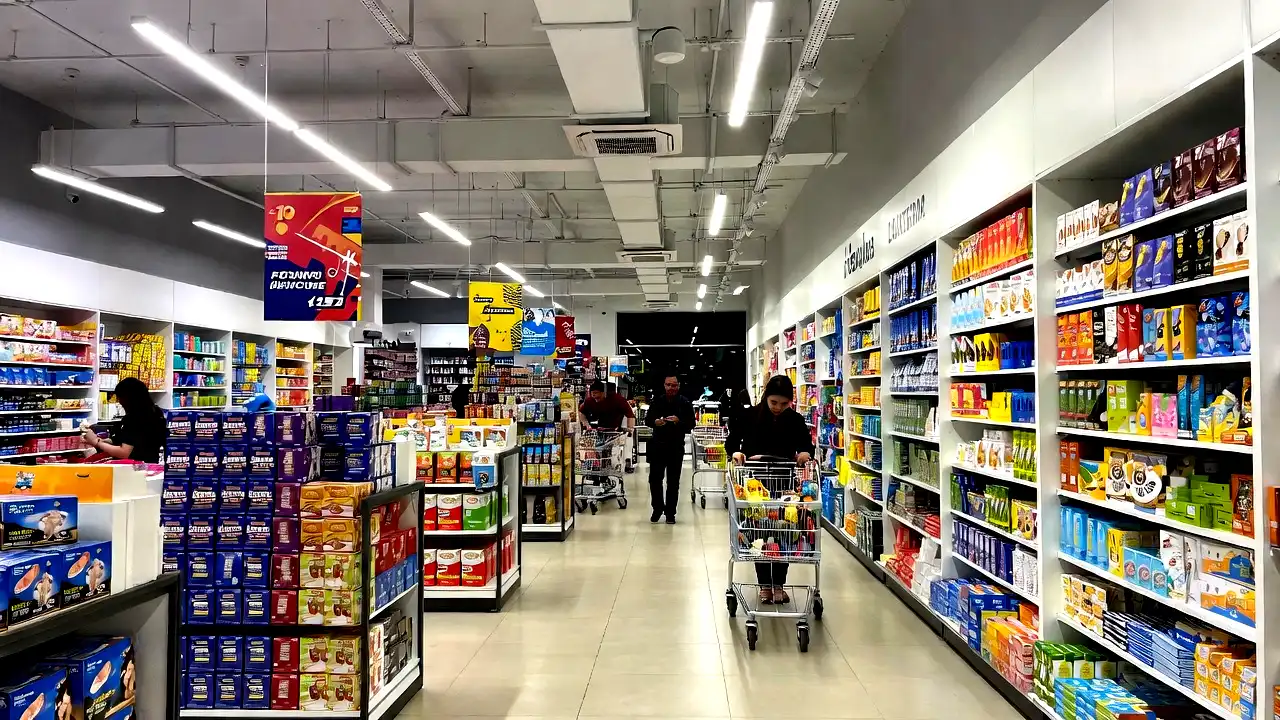
American households preparing for relief at the supermarket checkout are confronting a harsh economic reality: grocery bills are poised to accelerate next year as a compounding web of agricultural supply shocks, geopolitical conflicts, surging energy expenses, and potential trade tariffs push retail food prices higher. While overall consumer price inflation cooled from post-pandemic peaks, the foundational costs required to grow, process, package, and transport food across the nation are climbing once again.
Agricultural economists and market analysts warn that the relatively modest grocery price increases experienced over recent months represent a temporary calm before a fresh wave of price adjustments. The United States Department of Agriculture projects that overall food prices will increase between 3.0% and 3.6% in baseline forecasts, but specific high-demand grocery categories are tracking toward double-digit spikes. From a multi-decade low in domestic cattle herds that is driving beef prices to record highs to international maritime shipping blockades that inflate fertilizer and diesel fuel costs, food producers face structural cost increases that they must eventually pass on to consumers.
The impending food price shock carries significant financial consequences for working families and fixed-income households. Food and housing represent non-discretionary living expenses that consumers cannot easily reduce or postpone. When retail grocery prices climb by 5% to 15% across essential staples such as meats, coffee, fresh produce, and cooking oils, household discretionary budgets shrink immediately. As food manufacturers exhaust their ability to absorb higher input costs through corporate cost-cutting or package downsizing, the supermarket aisle is re-emerging as the primary inflation battleground for millions of consumers nationwide.
The Emerging Forces Driving Supermarket Price Hikes
The retail price of food in modern supermarkets is determined by a complex, multi-stage supply chain that begins in rural farm fields and ends on grocery store shelves. When a consumer buys a gallon of milk, a loaf of bread, or a package of ground beef, the final retail price reflects the cumulative cost of agricultural seeds, synthetic fertilizers, tractor diesel, processing plant electricity, cardboard packaging, truck freight, and grocery retail labor.
Over recent quarters, cost pressures across every single one of these input tiers have accelerated simultaneously.
Rather than dealing with an isolated weather event or a temporary crop failure in a single region, the global agricultural system is experiencing synchronized supply stress.
When input costs rise across the entire agricultural baseline, food processors and grocery chains have no choice but to adjust wholesale and retail price tags to defend their operating profit margins.
Soaring Energy and Fertilizer Costs Squeezing Farm Economics
Modern commercial agriculture is an extraordinarily energy-intensive industry. Farmers burn millions of gallons of diesel fuel to run heavy tractors, combine harvesters, and irrigation pumps, while chemical manufacturers use natural gas as the primary feedstock to synthesize ammonia and nitrogen-based agricultural fertilizers.
Recent geopolitical turmoil in the Middle East and maritime shipping disruptions along critical fuel transit routes have driven energy expenses sharply higher:
- Wholesale natural gas prices in international markets jumped by more than 30%, increasing the manufacturing cost of nitrogen fertilizers like urea and diammonium phosphate.
- Commercial diesel fuel prices climbed past $4.20 per gallon across rural transport corridors, adding thousands of dollars in operating expenses for agricultural planting and harvest runs.
- Fertilizer expenses, which historically accounted for roughly 15% to 20% of a grain farmer’s total operating budget, have climbed to more than 35% of total seasonal production costs.
- Higher electrical utility tariffs across regional agricultural grids have raised the cost of running grain-drying silos and refrigerated storage facilities.
These elevated energy expenses increase the breakeven production cost for staple grain crops like corn, soybeans, and wheat. Because grain serves as the foundational feed input for beef cattle, dairy cows, pigs, and poultry, higher grain production costs inevitably push retail meat, egg, and dairy prices higher across the country.
Historical Cattle Herd Depletion and Double-Digit Beef Inflation
Among all grocery categories, the beef aisle represents the most severe and long-lasting inflation flashpoint. The United States is grappling with the smallest national beef cattle herd in more than 70 years, a biological supply deficit that will take years of sustained breeding to reverse.
The roots of the cattle shortage trace back to multi-year megadroughts that scorched pastures across Texas, Oklahoma, Kansas, and the Great Plains between 2021 and 2024:
- Severe drought dried up natural grazing pastures and depleted regional hay supplies, forcing cattle ranchers to liquidate their breeding herds.
- Ranchers sent millions of female cows and heifers to commercial feedlots and slaughterhouses rather than retaining them for breeding, shrinking the national reproductive herd.
- Total United States cattle inventories dropped below 87.2 million head, the lowest inventory level recorded since 1951.
- Rebuilding a cattle herd is a slow biological process: it takes roughly two to three years from breeding a heifer to raising a steer to commercial slaughter weight.
Because supply cannot quickly increase to match steady domestic consumer demand, wholesale beef prices have soared. Retail prices for ground beef, ribeye steaks, and chuck roasts have climbed by 10% to 18% year-over-year, setting new historical records and ensuring that beef will remain an expensive luxury in household grocery carts.
Extreme Weather and Climate Disruptions Across Global Harvests
Climate volatility is compounding agricultural supply risks across both domestic and international growing regions. Extreme weather events—ranging from intense heatwaves and prolonged droughts to flash floods and unseasonal frosts—have disrupted crop yields across key agricultural basins.
International crop failures are driving sharp price adjustments on imported commodities:
- Severe droughts and blistering heatwaves in Brazil and Vietnam, the world’s largest producers of coffee beans, damaged flowering crops, pushing wholesale robusta and arabica coffee futures to multi-decade highs.
- Concentrated fungal disease outbreaks and torrential rains in West Africa, centered on Côte d’Ivoire and Ghana, destroyed cocoa harvests, sending global cocoa bean prices up by more than 150%.
- A multi-year drought across the Mediterranean basin cut Spanish and Italian olive oil production in half, driving retail olive oil prices up by more than 40%.
- Severe citrus greening disease and hurricane disruptions across Florida reduced domestic orange production to its lowest level in nearly eighty years, driving frozen concentrated orange juice prices to historic records.
When international harvest failures strike global specialty crops, American grocery importers must pay top-dollar on international spot markets, resulting in steep retail price increases for morning coffee, breakfast juices, chocolate, and cooking oils.
Cross-Border Tariffs and Supply Chain Bottlenecks
Beyond environmental and energy shocks, international trade policy has emerged as a major upward driver of food prices. The global food supply chain is deeply integrated, with the United States importing billions of dollars of fresh fruits, vegetables, seafood, sugar, and packaged specialty foods from international trading partners every month.
However, escalating trade tensions and the proposed introduction of broad cross-border import tariffs threaten to raise the landed cost of foreign food commodities.
When governments levy border tariffs on imported agricultural goods, importing companies pay those taxes directly at customs ports of entry, passing the added expenses downstream to wholesale distributors, supermarkets, and everyday consumers.
The Threat of 10% to 50% Import Duties on Food Commodities
Trade proposals under active debate in Washington and international capitals include the potential imposition of universal baseline tariffs of 10% to 20% on all foreign imports, alongside targeted 50% tariffs on specific trade partners like Canada and Mexico.
Applying border tariffs to agricultural imports would inflict an immediate cost shock on supermarket shelves:
- Canada and Mexico supply over 60% of all fresh vegetables and nearly 50% of all fresh fruits imported into the United States, including tomatoes, avocados, berries, and bell peppers during winter months.
- A 10% to 25% import tariff on Mexican produce imports would add hundreds of millions of dollars in customs duties to fresh winter produce.
- Importing foreign cane sugar, which already faces restrictive tariff-rate quotas, would become significantly more expensive, driving up production costs for baked goods, breakfast cereals, and confectionery products.
- Retaliatory counter-tariffs imposed by foreign governments on American agricultural exports like soybeans and pork disrupt domestic farm revenues, forcing farm equipment suppliers and chemical dealers to adjust pricing models.
Agricultural trade economists estimate that universal import tariffs would add an average of $400 to $800 in annual food expenses for a standard American family of four, erasing recent gains in real household wage growth.
Rising Maritime Freight Rates and Diesel Transportation Surcharges
The physical transport of food across domestic highways and international ocean routes represents another compounding cost center. Food products are heavy, perishable commodities that require continuous climate-controlled refrigeration, known across the freight industry as the cold chain.
Operating a national refrigerated transport network has become significantly more expensive:
- Maritime shipping lines navigating around the Cape of Good Hope to avoid Middle Eastern conflict zones have added 12 to 16 sailing days to intercontinental voyages, increasing refrigerated container freight rates by more than 45%.
- Domestic long-haul trucking companies are facing higher diesel fuel surcharges, rising commercial fleet insurance premiums, and ongoing shortages of certified commercial drivers.
- State-level environmental regulations, such as California’s mandates requiring zero-emission transport refrigeration units, require freight carriers to invest millions of dollars in new electric cooling equipment.
- Surcharges for specialized refrigerated railcars have climbed, raising the cost of transporting fresh produce from California’s Central Valley to East Coast metropolitan distribution centers.
These logistics and transportation surcharges are added directly to wholesale food invoices, ensuring that transportation inflation filters through to retail supermarket shelves.
Category Breakdown: Where Consumers Will Feel the Sharpest Squeeze
Food inflation does not hit every supermarket aisle equally. While some commodity staples like eggs and chicken have seen temporary price stabilization following previous avian flu outbreaks, other grocery departments are experiencing severe, structural price spikes.
Understanding which specific food categories face the highest cost pressures allows consumers and enterprise food buyers to anticipate budget adjustments.
Analyzing individual grocery categories reveals the specific supply imbalances driving retail prices higher.
Coffee, Cocoa, and Sweetener Supply Deficits
The breakfast and snack aisles are ground zero for international commodity inflation. Coffee, cocoa, and refined sugar are facing historic global supply deficits caused by adverse weather in primary tropical growing regions.
The retail impact on consumer staples is substantial:
- Retail ground and whole-bean coffee prices are projected to rise by 12% to 20% over the coming year as roasters exhaust low-cost forward inventory contracts and purchase beans at elevated spot rates.
- Packaged chocolate bars, baked goods, and chocolate confectionery items face retail price increases exceeding 15% as multinational candy manufacturers pass multi-year cocoa cost increases on to consumers.
- Domestic refined sugar prices remain elevated due to strict federal import quotas and high refining expenses, increasing manufacturing overhead for soft drinks, breakfast cereals, and snack foods.
- Packaged tea and specialty botanical infusions face higher ocean freight rates and export port fees across major Asian shipping hubs.
These morning and indulgence staples represent non-substitutable daily habits for tens of millions of consumers, forcing shoppers to absorb higher prices or cut back on discretionary retail spending.
Fresh Produce Volatility and Packaging Material Cost Increases
The fresh fruit and vegetable department is experiencing sharp price swings driven by localized water shortages, rising agricultural labor wages, and escalating packaging material costs.
Produce economics are squeezed by multiple operational factors:
- Fresh fruit prices climbed by 1.1% in recent monthly readings, driven by rising costs for citrus fruits, fresh berries, and stone fruits.
- Mandatory statutory increases in state agricultural minimum wages across key growing states like California, Washington, and Florida have raised farm labor expenses by 6% to 10%.
- The cost of corrugated cardboard shipping boxes, plastic clamshell containers, and wooden harvest pallets has climbed, adding direct packaging expenses to every crate of produce shipped to retail distribution hubs.
- Unpredictable weather swings—including late spring frosts and summer heat domes—trigger sudden localized crop yield drops that create temporary retail price spikes.
Because fresh produce has a short shelf life, grocery retailers cannot stockpile inventory to smooth out price swings, exposing shoppers directly to weekly wholesale price volatility.
Dairy and Protein Divergence in Supermarket Aisles
The meat, poultry, and dairy department is displaying an intense divergence between red meat and alternative protein sources. While beef prices climb to record highs, other protein categories are experiencing varying degrees of supply pressure:
- Pork production has remained steady, with retail bacon and pork chop prices showing modest 2.0% to 3.5% annual increases, making pork an attractive low-cost protein substitute for expensive beef.
- Poultry prices have stabilized following earlier flock liquidations caused by highly pathogenic avian influenza, but ongoing biosecurity expenses and elevated feed grain costs keep chicken breast prices above pre-pandemic baselines.
- Fluid milk and dairy product prices are under upward pressure as commercial dairy farms face higher cattle replacement costs, expensive feed rations, and rising processing plant labor expenses.
- High-value dairy products like butter and aged natural cheeses are projected to experience 4.0% to 7.0% price increases due to robust international export demand and tight domestic cold storage inventories.
This protein divergence is forcing American families to restructure their weekly meal planning, swapping expensive beef cuts for chicken, pork, eggs, and plant-based protein alternatives.
Consumer Behavior and the Shift Toward Value Retrenchment
The persistent rise in grocery bills is driving a profound psychological and behavioral transformation across American consumer demographics. After enduring cumulative food inflation exceeding 25% over the past four years, consumer savings buffers have eroded, and household tolerance for continuous price hikes has collapsed.
Shoppers are deploying aggressive value-seeking strategies to protect family finances, fundamentally altering market share dynamics across the retail grocery sector.
These behavioral adjustments are reshaping how food retailers stock shelves, design promotional discounts, and manage inventory.
Trading Down to Private-Label Brands and Discount Retailers
The most visible consumer adaptation is the mass migration toward store-brand private-label products and hard-discount supermarket chains. In previous economic cycles, consumers preferred national brand-name packaged foods for perceived quality and taste.
Today, private-label products have achieved record market penetration:
- Private-label store brands now account for more than 21% of total grocery unit sales and over 19% of total dollar sales across American supermarkets.
- Store-brand canned goods, dairy products, pasta, and frozen vegetables typically sell at a 20% to 35% discount compared to national brand-name equivalents.
- Hard-discount grocery chains like Aldi, Lidl, and Trader Joe’s are expanding retail foot traffic at double-digit rates as middle-income families abandon traditional high-cost supermarkets.
- Big-box warehouse clubs like Costco and Sam’s Club are reporting record membership renewals as consumers purchase bulk staples to lower unit food costs.
This consumer retrenchment is punishing national brand-name food conglomerates, forcing packaged food giants to increase promotional discounts and coupon offerings to defend their market share.
Squeezing Low-Income Households and Expanding Food Insecurity
While middle-class households can adjust food budgets by cutting back on dining out or buying store brands, low-income families face severe financial distress. Lower-income households spend more than 30% of their total disposable income on food, compared to less than 8% for high-income earners.
The compounding impact of grocery inflation is widening the national food security gap:
- The expiration of pandemic-era emergency Supplemental Nutrition Assistance Program (SNAP) benefits reduced monthly food assistance budgets for millions of vulnerable families.
- Non-profit charitable food banks and community food pantries across the country are reporting record client visits, struggling to meet surging demand amidst rising operational procurement costs.
- Low-income consumers are relying heavily on credit cards and buy-now-pay-later financing apps to purchase essential weekly groceries, driving revolving consumer credit balances to historical highs.
- The nutritional quality of low-income diets is deteriorating as families are forced to purchase cheap, highly processed, calorie-dense foods rather than expensive fresh produce and lean proteins.
Public health advocates warn that sustained food price inflation represents a growing public health crisis that increases long-term healthcare expenses for chronic conditions like diabetes and hypertension.
Strategic Implications for Food Manufacturers and Retailers
The return of grocery inflation is creating immense strategic challenges for packaged food manufacturers, agricultural processors, and retail supermarket operators. Food companies are caught between rising agricultural input expenses and consumer resistance to further price increases.
The corporate strategies that companies deployed during previous inflation waves—most notably passing 100% of cost increases directly to consumers through price hikes—are no longer commercially viable.
Navigating this competitive landscape requires food companies to reinvent operational workflows, optimize supply chains, and invest in agricultural technology.
Shrinkflation and Package Redesigns Reaching Operational Limits
During the initial post-pandemic inflation surge, food manufacturers relied heavily on shrinkflation: quietly reducing the physical size, weight, or volume of a product while keeping the retail price unchanged. Cereal boxes shrank from 18 ounces to 15 ounces, snack chip bags contained more air and fewer chips, and ice cream containers downsized from 64 ounces to 48 ounces.
However, shrinkflation has reached its practical and regulatory limits:
- Consumers have become acutely aware of downsizing tactics, generating widespread social media backlash and damaging corporate brand loyalty.
- Federal and state lawmakers have introduced deceptive packaging legislation, requiring retailers to post clear unit-pricing disclosures that expose shrinkflation.
- Packaging manufacturers face physical engineering limits, as reducing package sizes further creates assembly line jams and violates minimum consumer value thresholds.
- Food manufacturers are being forced to redesign physical products, reformulate recipes with lower-cost ingredients, or introduce larger value-pack formats to appeal to budget-conscious shoppers.
Companies that continue attempting to conceal price increases through deceptive packaging risk facing consumer boycotts and regulatory penalties.
The Long-Term Horizon for Agricultural Modernization and Food Security
The permanent solution to structural food inflation lies in modernizing agricultural production through advanced technology, biological innovation, and resilient supply chains. The agricultural sector must produce more food using less land, less water, and fewer chemical inputs.
Key technological innovations that will shape the future of food production include:
- Precision Agriculture: Deploying autonomous GPS-guided tractors, drone crop sprayers, and soil moisture sensors to reduce fertilizer and diesel consumption by up to 25%.
- Gene-Edited Climate-Resilient Crops: Commercializing CRISPR gene-edited seeds that resist severe droughts, tolerate extreme heat, and resist fungal diseases without requiring chemical pesticides.
- Controlled-Environment Vertical Farming: Constructing automated indoor vertical farms near major metropolitan cities to grow leafy greens and berries year-round using 95% less water and zero weather risk.
- Cellular Agriculture and Fermentation: Scaling precision fermentation and cultivated meat production to provide alternative, low-cost protein sources that operate independently of traditional cattle herds.
By investing in agricultural technology and modernizing domestic supply chains, the global food system can build the resilience needed to insulate consumers from future climate and geopolitical shocks.
The looming acceleration of grocery bills represents a serious economic challenge for millions of American families. Driven by multi-decade lows in cattle inventories, soaring energy and fertilizer expenses, climate-induced crop failures, and potential cross-border import tariffs, the foundational costs of food production are climbing across the board. While consumers are fighting back by embracing private-label store brands and shopping at discount retailers, the structural supply deficits gripping the agricultural sector ensure that food inflation will remain a persistent economic reality. As food manufacturers, agricultural producers, and policymakers navigate these compounding pressures, building a resilient, technologically advanced, and sustainable food supply chain is the only viable path to stabilize grocery prices, protect household budgets, and guarantee long-term national food security for generations to come.