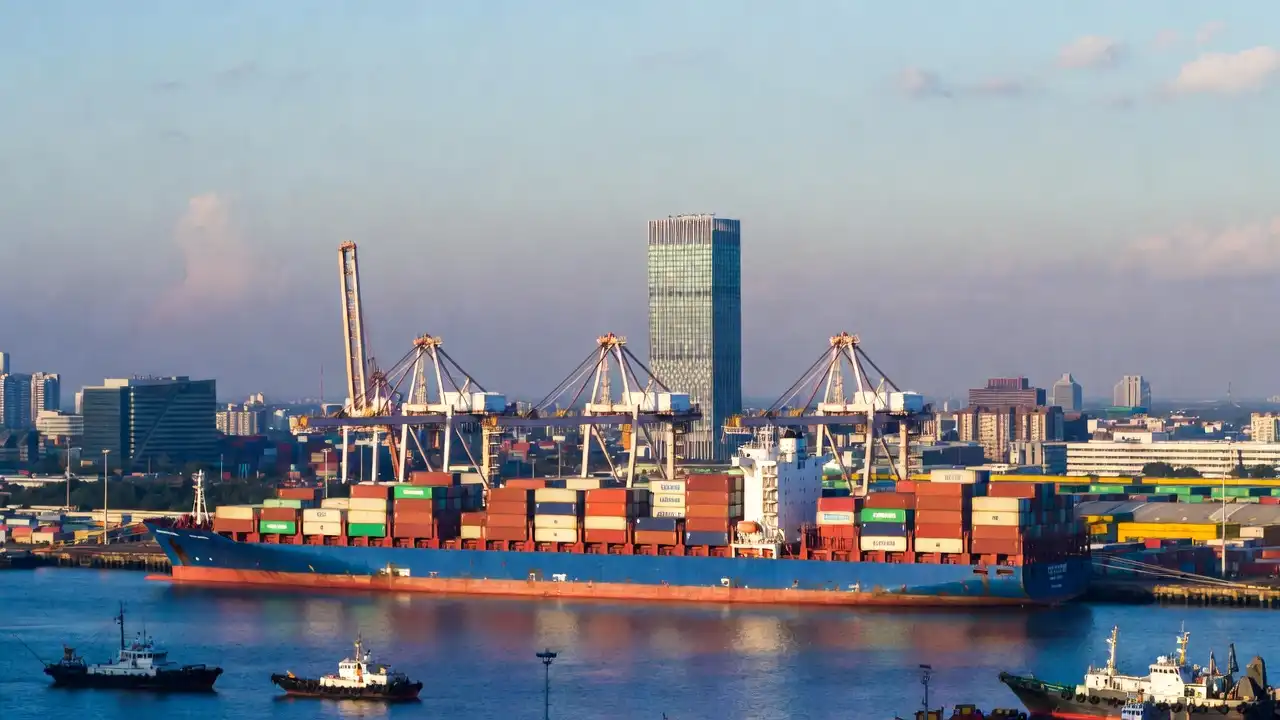
A historic transformation is sweeping across the Africa-China commercial corridor as zero-tariff trade access and expanded renminbi settlement mechanisms eliminate operational costs for African exporters. The implementation of duty-free access across 53 African nations with which Beijing maintains diplomatic relations has delivered immediate cost savings, allowing agricultural producers, mining enterprises, and light manufacturers to scale export volumes into the world’s second-largest consumer market.
The commercial surge is reinforced by a modern financial infrastructure that bypasses legacy Western clearing rails. Through strategic banking alliances, most notably between Africa’s largest lender by assets, Standard Bank Group, and the Industrial and Commercial Bank of China, African enterprises can now execute cross-border settlements directly in Chinese renminbi across ten African nations. By connecting directly to China’s Cross-Border Interbank Payment System, known internationally as CIPS, commercial transactions that previously required three to five business days and multiple currency conversion hops through United States dollar clearing centers now settle with cryptographic finality in minutes.
The combined impact of duty-free market access and local currency settlement arrives during a period of mounting volatility in global trade. With Western markets implementing carbon border adjustments and trade tariffs, African commercial leaders are leveraging the zero-tariff framework to diversify export destinations, lower landed costs, and secure resilient supply chains. As bilateral trade between Africa and China approaches $300 billion annually, the integration of tariff relief with real-time digital settlement is transforming the economic relationship from a simple raw commodity extraction channel into a sophisticated, multi-currency trade partnership.
A Historic Tariff-Free Gateway for 53 African Nations
The introduction of zero-tariff treatment for 53 African nations represents the most comprehensive unilateral trade concession granted to the continent in modern commercial history. Historically, African exporters faced complex tariff schedules, non-tariff technical barriers, and strict sanitary inspections when attempting to access Asian consumer markets, leaving African agricultural producers heavily dependent on legacy European and North American buyers.
The zero-tariff framework dismantles these trade barriers across thousands of agricultural, consumer, and industrial tariff lines. By eliminating import duties at Chinese maritime entry ports, the policy lowers the landed cost of African goods, making them competitive against products from Latin America and Southeast Asia.
Bill Blackie, chief executive of business and commercial banking at Standard Bank Group, highlighted that the emerging commercial opportunity goes far beyond simple tariff savings. He explained that the policy allows African enterprises to broaden export destinations, improve route-to-market resilience, and reduce reliance on a narrow set of traditional Western trading partners.
The sudden reduction in trade friction is encouraging African agricultural cooperatives and commercial agribusinesses to upgrade cold-chain logistics, expand production acreage, and seek formal export certifications to meet the demands of China’s expanding middle class.
Unpacking the Zero-Tariff Framework and Landed Cost Reductions
The mechanics of China’s zero-tariff policy focus on eliminating customs duties on high-volume agricultural products, refined minerals, and processed intermediate goods. By removing tariffs that previously ranged between 5% and 25%, the policy delivers immediate price competitiveness.
The trade framework delivers several structural commercial advantages:
- Completely removing baseline import duties on fresh fruits, specialty nuts, roasted coffee beans, dried agricultural products, and processed meat derivatives.
- Eliminating border taxes on refined non-ferrous metals, strategic mineral concentrates, and chemical industrial inputs.
- Accelerating customs clearance procedures through designated green corridors at major maritime entry hubs like Shenzhen Bay Port, Shanghai, and Ningbo-Zhoushan.
- Harmonizing sanitary and phytosanitary inspection protocols to shorten quarantine holding times for perishable fresh produce.
These tariff eliminations allow African exporters to capture higher wholesale profit margins while offering competitive retail pricing in Chinese supermarkets, driving rapid volume expansion.
Real-World Case Study: South African Apple Shipments Save $1.47 Million
The tangible economic benefits of the zero-tariff framework are visible in real-world agricultural shipping data. A prominent early success story unfolded in South Africa’s deciduous fruit industry, which exports hundreds of thousands of tons of high-grade apples and pears to international markets every season.
The first commercial shipment of South African apples cleared through Shenzhen Bay Port under the zero-tariff framework demonstrated significant financial savings:
- The removal of a previous 10% import tariff generated immediate customs savings of approximately 20,000 yuan, or roughly $2,976, on a single standard shipping container.
- Based on historical seasonal import volumes, the South African fruit importer projected verified annual customs savings exceeding $1.47 million across regular delivery schedules.
- The elimination of the 10% duty allowed South African growers to undercut competing apple exporters from New Zealand and the United States on Chinese wholesale fruit exchanges.
- South African agricultural logistics operators expanded refrigerated maritime container bookings from ports in Cape Town and Durban directly to southern Chinese ports.
This single case study illustrates how removing tariff friction delivers millions of dollars in capital savings directly to agricultural growers, providing the cash flow required to hire farm labor and invest in water-efficient drip irrigation.
Agricultural and Commodity Expansion: From Kenyan Coffee to Zimbabwean Tobacco
The commercial benefits of duty-free trade are expanding rapidly across sub-Saharan Africa, creating high-volume export corridors for diverse agricultural and mineral commodities. African nations possess vast arable land, unique agro-climatic growing conditions, and counter-seasonal harvesting cycles that perfectly complement Chinese consumer consumption patterns.
From high-altitude specialty coffee plantations in East Africa to flue-cured tobacco farms in Southern Africa and industrial processing facilities in West Africa, commercial enterprises are restructuring operations to serve Asian buyers.
This agricultural expansion is helping African nations move away from exporting unprocessed raw materials, encouraging domestic investment in local sorting, drying, packaging, and semi-processing facilities.
Securing Direct Access for Premium African Cash Crops and Minerals
The zero-tariff framework provides direct market access for high-value African cash crops that previously struggled with high import taxes. In Kenya, specialty coffee and tea growers are experiencing surging demand from Chinese urban beverage chains and specialty roasteries.
Kenyan single-origin arabica coffee beans, known globally for their complex acidity and floral aroma, now enter Chinese ports duty-free, bypassing European trading hubs where raw beans were historically blended and re-exported.
In Southern Africa, the policy has strengthened Zimbabwe’s position as a premier global tobacco producer:
- Zimbabwean flue-cured Virginia tobacco enters China with zero import duties, supporting millions of dollars in bilateral contracts with Asian manufacturing monopolies.
- Zimbabwean lithium and base metal producers capture tariff-free entry for processed chemical concentrates, supporting domestic investments in local mineral flotation plants.
- Kenyan cut-flower growers are utilizing direct cold-chain air-freight routes from Nairobi to Changsha to deliver fresh roses and carnations to Chinese florists within 20 hours of harvest.
- Rwandan chili farmers and Ethiopian sesame seed producers have executed long-term supply agreements with Chinese food processing conglomerates.
Direct commercial trade eliminates third-party international brokers, ensuring that a larger share of export revenues returns directly to African farming communities.
Diversifying Beyond Western Export Markets Amid Global Trade Friction
The strategic value of the China trade corridor is amplified by mounting economic headwinds in traditional Western export markets. European and North American trading partners are implementing complex regulatory frameworks—including the European Union’s Deforestation Regulation and the Carbon Border Adjustment Mechanism—that impose heavy compliance costs on developing nations.
Furthermore, political uncertainty surrounding the renewal of the United States African Growth and Opportunity Act has heightened trade vulnerability across the continent:
- African business leaders recognize that relying exclusively on Western preferential trade agreements leaves domestic industries vulnerable to unilateral political decisions.
- Exporting to China provides volume stability, backed by long-term bilateral trade agreements that operate independently of Western political cycles.
- Diversifying customer portfolios across Asia insulates African agricultural cooperatives from European economic slowdowns and exchange rate volatility.
- Asian consumer demand for organic, high-protein, and specialty agricultural foods is expanding at double-digit annual rates, offering sustained growth visibility.
Standard Bank’s trade analysts emphasize that market diversification represents the single most effective risk-mitigation strategy for African commercial enterprises navigating a fragmented global economy.
Nigerian Bovine and Agricultural Processing Value Chains
In West Africa, the zero-tariff framework is stimulating private investment in specialized industrial processing and agricultural byproduct manufacturing. In Nigeria, Africa’s most populous nation, commercial enterprises are utilizing duty-free access to build high-volume export businesses around processed bovine bone products, leather goods, and agricultural derivatives.
Nigerian processing enterprises are transforming raw agricultural byproducts into valuable export commodities:
- Crushed bovine bone and industrial gelatin raw materials are exported duty-free to Chinese pharmaceutical and ceramic manufacturing plants.
- Processed animal hides and finished leather products from northern Nigerian tanneries in Kano supply Asian luxury footwear and upholstery assemblers.
- Nigerian cashew processors and sesame seed exporters are constructing automated cleaning and sorting plants to satisfy Chinese import quality standards.
- Export revenues generated by non-oil agricultural products provide Nigerian commercial banks with valuable foreign exchange reserves, helping stabilize domestic currency markets.
Developing domestic value-added processing capabilities allows Nigeria to diversify its national export revenues away from crude oil extraction, creating thousands of specialized industrial manufacturing jobs.
The Financial Infrastructure: Scaling Cross-Border Renminbi Settlement
While eliminating tariffs removes regulatory barriers at customs entry ports, real-world commerce depends entirely on the efficiency of financial clearing networks. For decades, international trade between Africa and China was forced to utilize the United States dollar as an intermediary invoicing and settlement currency.
Conducting trade through dollar channels created immense operational friction. An African importer purchasing industrial machinery from Shanghai had to convert local currency into United States dollars through correspondent banks in New York before converting dollars into Chinese renminbi.
This multi-stage clearing process generated heavy foreign exchange conversion fees, exposed businesses to dollar liquidity shortages, and created payment settlement delays of three to seven business days.
The rapid expansion of direct renminbi settlement mechanisms has dismantled this financial bottleneck, providing African businesses with a frictionless, low-cost clearing highway.
Standard Bank and ICBC Connecting 10 African Markets via CIPS
The institutional foundation driving cross-border local currency settlement is the strategic partnership between Standard Bank Group and the Industrial and Commercial Bank of China. ICBC holds a 20% strategic equity stake in Standard Bank, creating an integrated financial bridge connecting the world’s second-largest economy with Africa’s largest banking network.
The two banking giants have built a comprehensive digital financial ecosystem:
- Providing direct renminbi payment and clearing connectivity across ten core African commercial markets, including South Africa, Kenya, Nigeria, Ghana, Uganda, and Zambia.
- Integrating Standard Bank directly into China’s Cross-Border Interbank Payment System (CIPS), the specialized financial clearing network operated by the People’s Bank of China.
- Offering integrated trade finance, letter-of-credit issuance, forward foreign exchange hedging, and treasury cash management denominated directly in renminbi.
- Deploying specialized China-Africa banking desks staffed by bilingual commercial relationship managers in major metropolitan capitals across both regions.
This integrated banking network ensures that commercial enterprises can execute transactions smoothly without relying on third-party Western correspondent banking chains.
Cutting Settlement Times from Multi-Day Delays to Real-Time Minutes
The operational efficiency delivered by direct CIPS integration has revolutionized corporate treasury operations along the Africa-China trade corridor. By eliminating the need to route payments through Western clearinghouses operating in distant time zones, transactions settle with cryptographic speed.
The financial performance gains are dramatic:
- Cross-border trade payments that previously took between three and five business days to clear through New York correspondent banks now settle within minutes.
- Real-time gross settlement eliminates counterparty delivery-versus-payment risks during large-scale commodity and machinery transactions.
- Commercial enterprises save between 1.5% and 3.0% on total invoice values by avoiding double currency conversion spreads between local currencies, dollars, and renminbi.
- Chinese suppliers offer direct wholesale price discounts of 3% to 5% to African buyers who settle invoices directly in renminbi, as Chinese manufacturers avoid domestic foreign exchange conversion costs.
Accelerating payment settlement velocity allows African importers to clear shipping containers through ports faster, reduce working capital debt facilities, and optimize inventory turnover.
Mitigating United States Dollar Shortages and Foreign Exchange Volatility
A critical macroeconomic advantage of renminbi settlement is its ability to insulate African economies from chronic domestic United States dollar shortages. Over recent years, aggressive interest rate hikes by the Federal Reserve and elevated sovereign debt servicing costs have drained dollar liquidity from central banks across sub-Saharan Africa.
In economies like Nigeria, Kenya, Egypt, and Ethiopia, commercial businesses faced severe dollar liquidity rationing, waiting weeks or months for commercial banks to allocate foreign exchange to pay international suppliers:
- Sponsoring bilateral local currency swap lines between the People’s Bank of China and African central banks provides stable liquidity buffers during foreign exchange crunches.
- African importers can settle commercial purchase orders using renminbi acquired directly from local export earnings or bilateral central bank swap facilities.
- Utilizing renminbi reduces commercial demand for scarce domestic dollar reserves, preserving sovereign foreign exchange holdings to service international debt obligations.
- Local currency trade settlement stabilizes the national balance of payments, mitigating the risk of sudden, destabilizing currency devaluations.
By decoupling trade clearing from dollar availability, African commercial enterprises maintain continuous business operations even during periods of extreme global financial volatility.
Macro Shifts in African Sourcing and Asian Partnership Preferences
The convergence of zero-tariff trade access and streamlined digital payments is driving a profound psychological and operational realignment among African corporate leaders. Long-standing commercial assumptions that prioritized Western suppliers and European export markets are giving way to a pragmatic, eastward-looking trade orientation.
Annual survey data compiled across the African continent confirm that business owners, corporate treasurers, and supply chain directors view Asia—and China specifically—as their primary engine of future commercial growth.
This shift reflects the physical reality of global manufacturing: Asian industrial hubs produce the affordable capital equipment, solar panels, smartphones, and commercial vehicles that African businesses require to expand.
African Trade Barometer: Preference for Asian Partners Surging to 35%
The structural pivot toward Asian trade corridors is documented in the latest edition of Standard Bank’s Africa Trade Barometer. The extensive survey, which evaluates commercial trade sentiment across 10 major African economies, revealed an unprecedented shift in business partner preferences.
The survey metrics highlight accelerating eastward commercial momentum:
- A record 35% of surveyed African commercial enterprises identified Asian countries as their primary, preferred international trading partners, climbing from 24% recorded in 2024.
- Preference for traditional European trading partners declined steadily, falling from historical highs above 40% to less than 28%.
- Business leaders cited lower equipment pricing, faster shipping logistics, transparent digital payment options, and flexible credit terms as the primary reasons for choosing Asian partners.
- African cross-border trade confidence reached its highest level in four years, supported by expanding regional infrastructure and bilateral trade pacts.
The survey proves that the eastward trade shift is not merely a political project driven by state diplomacy, but an organic, private-sector commercial movement led by thousands of independent small and medium-sized enterprises.
China Supplying Over 67% of Essential Industrial Inputs
The physical foundation of African industrial expansion depends heavily on imported manufactured inputs. Across manufacturing, construction, telecommunications, and agriculture, African enterprises rely on Chinese capital goods to modernize operations.
The Africa Trade Barometer documented China’s dominant role as an industrial supplier:
- An overwhelming 67% of surveyed African commercial businesses identified China as their primary source of imported industrial machinery, raw materials, and manufactured components.
- Chinese manufacturers supply over 80% of all solar photovoltaic modules and lithium battery energy storage systems deployed across African clean-energy projects.
- Commercial transport operators rely on imported Chinese heavy-duty trucks, commercial buses, and light delivery vans to manage domestic logistics.
- African telecommunications and fintech platforms operate on high-speed network routing hardware and optical fiber cables manufactured in Shenzhen and Hangzhou.
Access to affordable, reliable capital goods allows African entrepreneurs to construct local processing factories, launch digital startups, and expand commercial transportation networks at capital costs significantly lower than those required when sourcing from Western suppliers.
Strategic Implications for the Africa-China Economic Corridor
The integration of zero-tariff market access with real-time renminbi settlement carries profound strategic implications for the global economic architecture. As the world transitions toward a multipolar trading system, the Africa-China economic corridor is emerging as one of the most dynamic and resilient trade axes in the Global South.
The partnership is evolving beyond simple bilateral buying and selling into an integrated manufacturing and logistics matrix.
By connecting the vast natural resources and young demographic workforce of Africa with the advanced manufacturing and financial technology of China, both regions are building an enduring economic alliance.
Integrating the African Continental Free Trade Area with Asian Supply Chains
A major multiplier that will amplify the benefits of zero-tariff trade is the operational rollout of the African Continental Free Trade Area (AfCFTA). The landmark continental trade agreement creates a single unified market of 1.4 billion people with a combined gross domestic product exceeding $3.4 trillion, eliminating tariffs on 90% of goods traded between African member states.
The synergy between the AfCFTA and the China trade corridor establishes powerful supply chain dynamics:
- Raw agricultural and mineral inputs can move duty-free across African borders to centralized regional processing hubs in South Africa, Nigeria, or Kenya.
- Regional factories can assemble, process, and package finished goods, meeting verified rules of origin benchmarks under continental trade rules.
- Finished, value-added African products can then be exported duty-free directly into China under the 53-nation zero-tariff framework.
- Chinese industrial conglomerates are constructing localized assembly mega-plants inside African special economic zones to supply both domestic African markets and Asian export corridors.
This multi-layered trade architecture encourages regional industrialization, transforming Africa from a fragmented collection of small national markets into an integrated manufacturing powerhouse.
The Long-Term Horizon for Sovereign African Value-Added Manufacturing
Looking toward the end of the decade, the Africa-China economic relationship will be defined by technological upgrading, industrial localization, and financial sovereignty. African governments are enacting strict raw mineral export bans, demanding that foreign investors construct local smelting, refining, and manufacturing plants before shipping commodities overseas.
Key structural trends that will shape the next decade of Africa-China commerce include:
- Localized Battery Mineral Refining: Chinese battery giants are constructing lithium chemical conversion plants in Zimbabwe and nickel processing facilities in Southern Africa to produce battery-grade precursors locally.
- Digital Currency Interoperability: Central banks are exploring direct technical integration between China’s digital renminbi (e-CNY) and African central bank digital currencies to enable decentralized, peer-to-peer cross-border trade.
- Renewable Energy Industrialization: Developing domestic assembly facilities for solar panels, small wind turbines, and irrigation pumps across North and East Africa.
- Digital Trade E-Commerce Platforms: Scaling cross-border digital business-to-business marketplaces that allow African smallholder farmers to sell specialty crops directly to Asian consumers via live-stream e-commerce.
By combining sustainable clean-energy development with local value addition and sovereign digital payments, African nations are securing the economic tools needed to achieve lasting, self-determined prosperity.
The convergence of China’s zero-tariff treatment for 53 African nations and the rapid expansion of direct renminbi settlement through CIPS marks a defining turning point in the economic history of the global South. By dismantling legacy tariff barriers and cutting cross-border transaction times from days to minutes, the Africa-China commercial corridor has eliminated centuries of structural friction. As demonstrated by verified multi-million-dollar savings across South African fruit exports, Kenyan coffee farms, and Nigerian manufacturing hubs, the benefits of duty-free trade and local currency clearing are real, measurable, and accelerating. As Standard Bank and international financial partners scale this digital financial highway, African commercial enterprises are building a resilient, diversified, and prosperous future, cementing Africa’s rightful position as a dynamic, sovereign leader in the modern global economy.