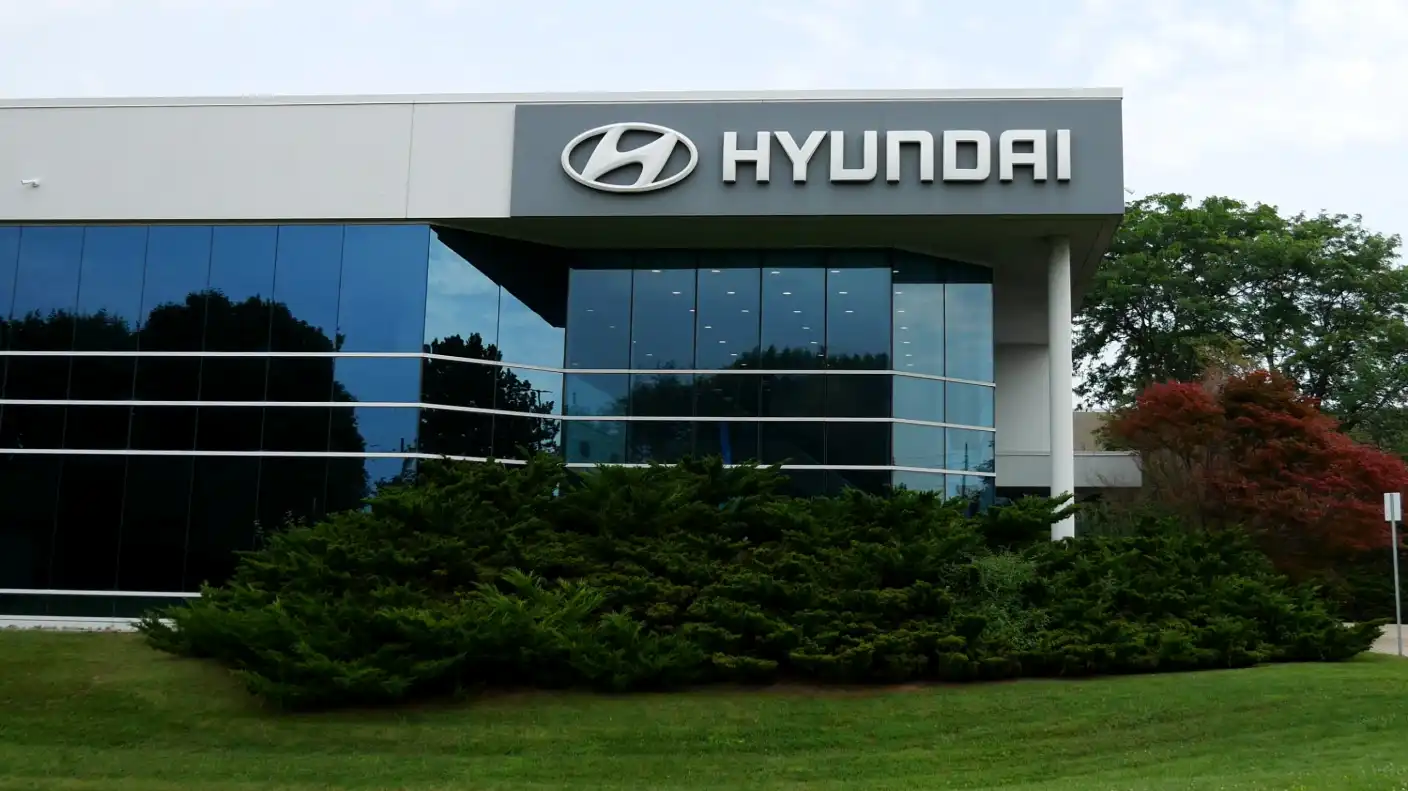
South Korean automotive and industrial giant Hyundai Motor Group has formed a comprehensive strategic alliance with the African Development Bank to accelerate sustainable industrialization, modern transportation infrastructure, and clean energy development across the African continent. Hyundai Motor Group Vice Chairman Chang Jae-hoon and African Development Bank Vice President and Chief Economist Kevin Chika Urama signed a landmark Letter of Intent at the automotive group’s corporate headquarters in Seoul.
The agreement brings together the industrial, technological, and engineering capabilities of South Korea’s largest automaker with the development financing, sovereign risk-mitigation, and project-structuring expertise of Africa’s premier multilateral financial institution. Signed on the sidelines of the eighth Korea-Africa Economic Cooperation Ministerial Conference, the pact establishes a structured framework for long-term private-public collaboration. By focusing on renewable energy grids, green hydrogen ecosystems, electric vehicle value chains, and modern logistics corridors, the initiative aims to convert Africa’s vast natural resources into diversified industrial growth.
A Strategic Alliance Across Six Industrial Pillars
The partnership between Hyundai Motor Group and the African Development Bank is structured around six core industrial pillars designed to address structural bottlenecks in African economic development. Rather than focusing solely on vehicle sales, the agreement creates an end-to-end industrial strategy that spans clean energy generation, raw mineral processing, infrastructure construction, and localized manufacturing.
Scaling Renewable Energy and Green Hydrogen Systems
Africa possesses some of the highest solar irradiance levels in the world and enormous untapped wind and hydroelectric potential. However, converting these natural advantages into reliable electric power requires substantial capital investments and advanced engineering systems. Under the new agreement, Hyundai and the African Development Bank will identify and co-develop utility-scale renewable energy installations across regional power pools.
A central priority of the energy collaboration is green hydrogen production. Hyundai has established itself as an international leader in hydrogen fuel cell technology, commercial hydrogen heavy-duty trucks, and modular electrolyzer systems. The partners plan to build localized hydrogen production hubs in sun-drenched coastal and desert zones, utilizing renewable electricity to split water into zero-emission hydrogen fuel. These green hydrogen hubs will power heavy industrial machinery, fuel long-haul commercial freight transport, and provide clean ammonia for agricultural fertilizers and international export.
Deploying Electric Mobility and Modern Logistics Networks
Urban centers across Africa are expanding at historic rates, with cities like Cairo, Lagos, Nairobi, and Johannesburg facing severe traffic congestion and escalating urban air pollution. The alliance prioritizes the deployment of sustainable public transit and commercial fleet solutions tailored specifically to regional operating conditions.
Hyundai plans to introduce electric urban buses, light commercial delivery vehicles, and purpose-built micro-mobility platforms equipped with durable battery chemistries capable of operating reliably in extreme heat. In parallel, the partnership will develop essential charging infrastructure and off-grid solar-powered microgrids to support commercial fleet electrification. Beyond urban transit, the collaboration targets national logistics corridors, integrating road networks, modern rail systems, and maritime port facilities to reduce regional freight transport costs by up to 25%.
Critical Minerals and Localized Battery Value Chains
The global shift toward electric transportation depends entirely on critical transition minerals. The African continent holds more than 70% of the world’s cobalt reserves, roughly half of its manganese, massive deposits of lithium, and significant reserves of graphite and nickel. Historically, foreign corporations extracted these raw ores and shipped them directly overseas for refining and battery cell fabrication, leaving African economies with only a small fraction of the final product value.
Hyundai and the African Development Bank are designing a value-added mineral processing strategy. The partners will invest in domestic refining facilities and component fabrication plants within resource-rich African nations. Processing raw lithium, nickel, and cobalt into cathode materials and battery modules locally allows African economies to capture higher industrial profit margins, build high-tech supply chains, and supply battery components directly to global automotive assembly lines.
Blended Finance Models Bridging Public and Private Capital
Executing multi-billion-dollar infrastructure and energy projects across developing markets requires innovative financial structures that minimize investment risk for private corporations while maximizing public development impact.
De-Risking Infrastructure Projects with Multilateral Development Loans
Private industrial corporations often hesitate to deploy billions of dollars into emerging markets due to perceived political instability, currency volatility, and sovereign debt risks. The African Development Bank plays a vital role as an anchor financial institution, using its AAA credit rating to provide concessional loans, sovereign guarantees, and political risk insurance.
During the signing ceremony, Hyundai Motor Group leadership emphasized the deployment of comprehensive Blended Finance Packages. These financing structures combine low-interest development loans from multilateral lenders with commercial bank debt and private equity capital. By establishing risk-sharing arrangements, the African Development Bank lowers the cost of borrowing for infrastructure consortia by 200 to 400 basis points, making long-term capital-intensive projects economically viable for private investors.
Integrating Hyundai Engineering and Hyundai Capital
The strategic partnership mobilizes the full ecosystem of the Hyundai Motor Group conglomerate. Key group subsidiaries—including industrial plant builder Hyundai Engineering, construction giant Hyundai E&C, and consumer finance arm Hyundai Capital—are participating directly in project development.
Hyundai Engineering brings extensive experience in constructing liquefied natural gas terminals, petrochemical refineries, solar energy farms, and high-voltage electrical substations across international markets. Hyundai Capital is developing localized financing platforms to provide affordable lease financing for commercial fleet operators, electric taxi cooperatives, and municipal bus authorities. By aligning engineering, manufacturing, construction, and financing capabilities under a unified corporate framework, Hyundai can deliver turnkey infrastructure projects from initial feasibility studies through to long-term commercial operations.
Africa’s Clean Energy Deficit and Industrial Potential
The collaboration between Hyundai and the African Development Bank addresses one of the most pressing socio-economic challenges of the modern era: the severe infrastructure and energy deficit across sub-Saharan Africa.
Addressing the 600 Million Person Energy Access Gap
More than 600 million people across the African continent currently lack reliable access to electricity, representing roughly 43% of the total African population. This energy deficit restricts industrial manufacturing, limits agricultural cold-storage capacity, and forces millions of small enterprises to rely on expensive, polluting diesel generators that burn millions of dollars in imported refined fuels every week.
Closing this energy access gap requires distributed, renewable power architectures. By deploying modular solar-plus-storage mini-grids in rural and peri-urban communities, Hyundai and its development finance partners can deliver clean electricity directly to localized agricultural processing centers, healthcare clinics, and light manufacturing workshops. Providing stable baseline electricity transforms local economies, enabling small businesses to extend operating hours, mechanize manual labor, and create sustainable rural employment.
Unlocking Vast Solar, Wind, and Hydroelectric Resources
Despite current energy shortfalls, Africa holds the most abundant renewable natural resource potential on Earth. The continent possesses over 60% of the world’s best solar resource areas, yet it currently accounts for less than 1.5% of global installed photovoltaic capacity. Major river systems like the Congo, Nile, and Zambezi offer tens of gigawatts of untapped hydroelectric generation capacity, while coastal corridors offer steady, high-velocity wind profiles.
The African Development Bank estimates that achieving universal energy access and meeting international climate targets across the continent will require annual energy investments of more than $100 billion through 2030. Attracting this scale of capital requires deep partnerships with multinational engineering leaders capable of delivering large-scale infrastructure on time and within budget. Hyundai’s commitment provides a major boost to regional clean energy initiatives, demonstrating how private engineering capital can accelerate continental electrification programs.
Industrialization, Talent Cultivation, and Manufacturing Ecosystems
Long-term economic prosperity requires building domestic manufacturing capabilities and cultivating a skilled local technical workforce.
Moving Beyond Raw Material Extraction to High-Value Manufacturing
A central objective of the African Development Bank’s long-term vision is industrial diversification. Over-reliance on raw commodity exports leaves national budgets vulnerable to global price fluctuations, foreign currency shortages, and inflationary shocks.
The partnership with Hyundai focuses on establishing localized automotive assembly plants, components fabrication hubs, and maintenance centers in strategic regional markets. Setting up Complete Knock Down and Semi-Knock Down vehicle assembly plants creates thousands of direct industrial jobs and stimulates hundreds of local tier-two and tier-three suppliers. Domestic businesses will manufacture automotive stampings, wiring harnesses, glass windows, rubber tires, and interior seating, building an integrated manufacturing ecosystem that retains capital within local economies.
Technical Training and Engineering Workforce Development
Operating and maintaining modern electric vehicle fleets, automated robotic production lines, and high-voltage renewable power plants requires specialized engineering expertise. The partnership includes dedicated educational and vocational training initiatives designed to cultivate young African technical talent.
Hyundai is collaborating with regional technical colleges and vocational training institutes to establish specialized automotive software, electrical engineering, and hydrogen systems curricula. The company will establish technical academies where young technicians learn diagnostic software management, high-voltage battery safety protocols, and robotic maintenance techniques. By transferring engineering know-how directly to local communities, the partnership ensures that African professionals manage, maintain, and expand regional industrial infrastructure for decades to come.
Global Geopolitical Dynamics and South Korea’s Africa Blueprint
The high-level agreement between Hyundai and the African Development Bank reflects South Korea’s broader geopolitical and economic pivot toward the African continent.
Competing in the Global Race for Critical Transition Minerals
Major global economic powers—including the United States, China, the European Union, and Japan—are competing intensely to secure strategic mineral supply chains necessary for the artificial intelligence and clean energy revolutions. For decades, Chinese state-backed corporations dominated mineral extraction and bilateral infrastructure financing across Africa through extensive government-to-government lending programs.
South Korea is presenting a differentiated, partnership-oriented model. Rather than focusing solely on resource extraction, Seoul emphasizes mutually beneficial industrial cooperation, technology transfer, and sustainable private-sector investment. By partnering directly with the multilateral African Development Bank rather than relying solely on bilateral government loans, South Korean enterprises ensure high standards of corporate governance, environmental protection, and financial transparency.
Expanding Long-Term Trade and Investment Ties
The eighth Korea-Africa Economic Cooperation Ministerial Conference in Seoul provided the backdrop for a major expansion in bilateral economic relations. South Korea has pledged billions of dollars in export credits, official development assistance, and sovereign cooperation funds to support African industrialization over the coming decade.
Africa represents the world’s youngest and fastest-growing consumer market, with a population projected to reach 2.5 billion people by 2050. As purchasing power expands and the African Continental Free Trade Area removes cross-border tariff barriers, the continent is poised to become a massive global market for consumer electronics, digital services, and passenger vehicles. By establishing a strong operational footprint today through high-impact infrastructure and clean energy partnerships, Hyundai Motor Group positions itself as a trusted long-term mobility and industrial partner across the continent.
Long-Term Outlook for Sustainable African Development
The strategic partnership between Hyundai Motor Group and the African Development Bank marks a decisive evolution in international development cooperation. By aligning corporate technological capabilities with multilateral development financing, the alliance creates a sustainable, replicable blueprint for green industrial growth.
Overcoming Africa’s infrastructure and energy bottlenecks requires moving past traditional foreign aid models toward market-driven industrial investments. By deploying green hydrogen systems, building electric mobility networks, localizing battery mineral refining, and training thousands of skilled technical workers, Hyundai and the African Development Bank are laying the foundation for a modern industrial economy.
As global economies navigate the complex transition toward clean energy, the African continent holds the natural resources, demographic vitality, and renewable potential to serve as a major engine of international sustainable growth. The collaboration between South Korea’s industrial leaders and Africa’s premier financial institution proves that when private technological innovation joins public development finance, transforming continental potential into shared prosperity becomes an achievable reality.