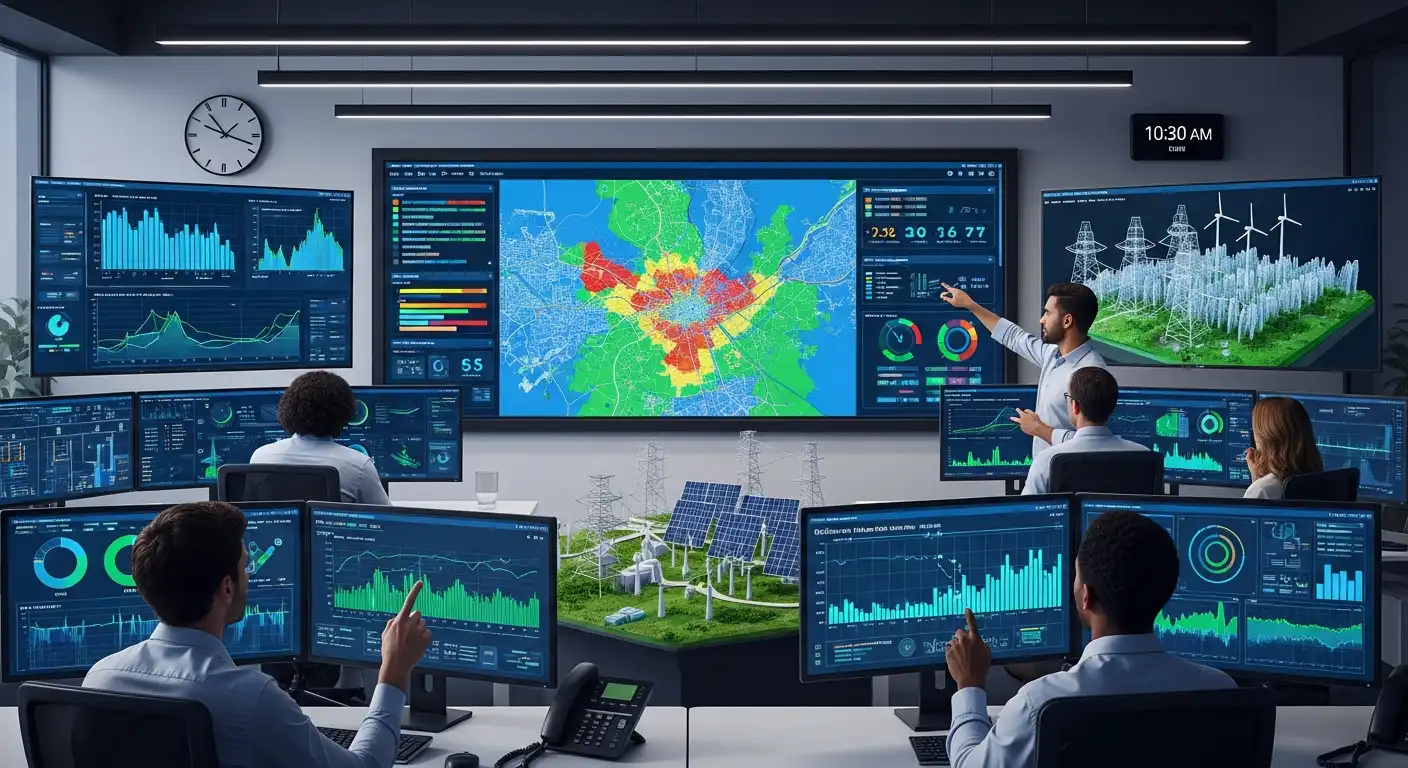
Energy Management Systems (EMS) are becoming fundamental tools in optimizing energy usage, enhancing efficiency, and minimizing environmental impact across various sectors. This analysis provides a comprehensive overview of the current state of the Energy Management Systems market, key trends, major players, challenges, and prospects.
Market Overview
The Energy Management Systems market is experiencing substantial growth, driven by the increasing focus on sustainable energy consumption and the need to reduce operational costs. An Energy Management System enables monitoring, control, and optimization of energy use across residential, commercial, and industrial sectors. By leveraging real-time data and analytics, EMS empowers users to make informed decisions, reduce energy waste, and contribute to a greener future.
The preliminary estimate from the Techgolly market analysis team is that the global Energy Management Systems market size was at least USD 52 billion in 2025 and is projected to reach up to USD 100 billion by 2030. The growth will continue at a compound annual growth rate (CAGR) of 12% to 14% from 2024 to 2030.
The market encompasses various solutions, including demand-side management, energy analytics, utility billing and optimization, and building energy management. The rising awareness of climate change and the imperative to meet energy efficiency targets are driving the adoption of EMS across industries.
Key Market Trends
The Energy Management Systems market is characterized by several key global trends shaping its growth and adoption.
Integration of IoT and AI
Integrating the Internet of Things (IoT) and Artificial Intelligence (AI) into Energy Management Systems is a significant trend. IoT enables real-time data collection from various energy-consuming devices and sensors, while AI processes this data to provide valuable insights and optimize energy consumption. This trend enhances automation, predictive maintenance, and smart decision-making in energy management.
Renewable Energy Integration
The increasing adoption of renewable energy sources, such as solar and wind power, is driving the integration of renewable energy management into EMS. Energy Management Systems are being designed to accommodate and optimize the use of renewable energy, ensuring a seamless transition to a more sustainable energy mix.
Demand Response Programs
Demand response programs are gaining traction, especially in the commercial and industrial sectors. Energy Management Systems are facilitating demand response initiatives by automatically adjusting energy usage during peak demand periods, thereby reducing strain on the grid and lowering energy costs.
Challenges
The Energy Management Systems market faces several challenges that need to be addressed to ensure sustainable growth and widespread adoption.
High Implementation Costs
The initial investment required for implementing Energy Management Systems can be a deterrent for many organizations, especially small and medium-sized enterprises. The costs associated with hardware, software, integration, and training must be carefully managed to ensure broader adoption.
Data Security and Privacy
Energy Management Systems involve the collection and analysis of sensitive energy consumption data. Data security and privacy are paramount to earning the trust and compliance of users and regulatory bodies. Robust data encryption, access controls, and compliance with data privacy regulations are essential to mitigate these concerns.
Interoperability and Integration
Interoperability and seamless integration with existing energy infrastructure and devices remain a challenge. EMS solutions must integrate smoothly with diverse hardware and software platforms to deliver a unified and effective energy management experience.
Future Outlook
The Energy Management Systems market is poised for continued expansion, driven by technological advancements, growing sustainability initiatives, and demand for efficient energy use. Key future developments include.
Energy Storage Integration
Integrating energy storage solutions, such as batteries, into Energy Management Systems will ensure a reliable and efficient energy supply. Storage integration optimizes energy usage by storing excess energy during off-peak times for later use.
Decentralized Energy Management
The rise of decentralized energy management will empower individual consumers to manage their energy consumption effectively. Decentralized EMS solutions will allow homeowners and businesses to optimize energy usage, generate their own energy, and contribute to a more distributed and resilient energy grid.
Blockchain for Energy Transactions
Utilizing blockchain technology for energy transactions and settlements is an emerging trend. Blockchain can enable transparent, secure transactions, facilitate energy trading, and incentivize energy-saving behaviors, thereby promoting a decentralized, sustainable energy ecosystem.
Conclusion
Energy Management Systems are pivotal in a sustainable and efficient energy future. Addressing challenges and embracing emerging trends will be crucial in maximizing the potential of Energy Management Systems. The market trajectory will be defined by how the industry navigates these challenges and leverages emerging technologies to create efficient, sustainable, and intelligent energy management solutions for the future.